REVIEW · ZAGREB
Zagreb: 2.5-Hour Cycle Back to Socialism Tour
Book on GetYourGuide →Operated by Blue Bike Zagreb tours · Bookable on GetYourGuide
One ride and Zagreb changes its mood fast. You’ll love how the route mixes easy cycling with real neighborhood context, plus you’ll get a clear explanation of how Zagreb’s society shifted over time. The main consideration: if you’re expecting super-deep detail on every era of 20th-century politics, you may want to ask your guide what level of focus they’ll place on the socialist period.
I also like the way this tour doesn’t stay stuck in postcard Zagreb. Instead, you’ll move from central landmarks into the “housing” side of the city, then end with calm time in parks and lakes. It’s a great fit for learning how people actually live in Zagreb today, not just how the city looks.
One more heads-up: it’s a cycling experience, so it’s not for wheelchair users or people with mobility impairments, even though the pacing is described as suitable for kids and older adults.
In This Review
- Key highlights at a glance
- From Central Zagreb to the Socialist City: What This Bike Tour Really Feels Like
- Starting Point at Trg bana Josipa Jelačića: Quick Setup, Then You’re Moving
- Croatian National Theatre and the City-Center Anchors
- The Croatian State Archives: Why Institutions Matter
- Crossing the Sava River: Where the Tour’s “Back to Socialism” Theme Clicks
- Green Horseshoe and the Street-Art Zone: The City After the Era
- Zagreb Fair to Bundek Park: A Breather Mid-Ride
- Contemporary Art Museum Area: Culture as a Living After-Story
- Botanical Garden of the Faculty of Science: A Quiet Stop That Adds Balance
- King Tomislav Square and Park Zrinjevac: Finishing in Classic Zagreb
- Price and Value: Is $57 Worth It for a 3-Hour Bike Tour?
- How to Get the Most From the Guide: Practical Tips
- Who This Tour Is Best For (And Who Should Skip It)
- Should You Book This Cycle Back to Socialism Tour?
- FAQ
- How long is the Zagreb cycle back to socialism tour?
- How much does it cost?
- Where does the tour start?
- What’s included with the booking?
- Is the tour guided in English?
- Is the tour suitable for kids or older adults?
- Is it wheelchair accessible?
- Do I need to bring my own bike?
- Can I book privately?
Key highlights at a glance
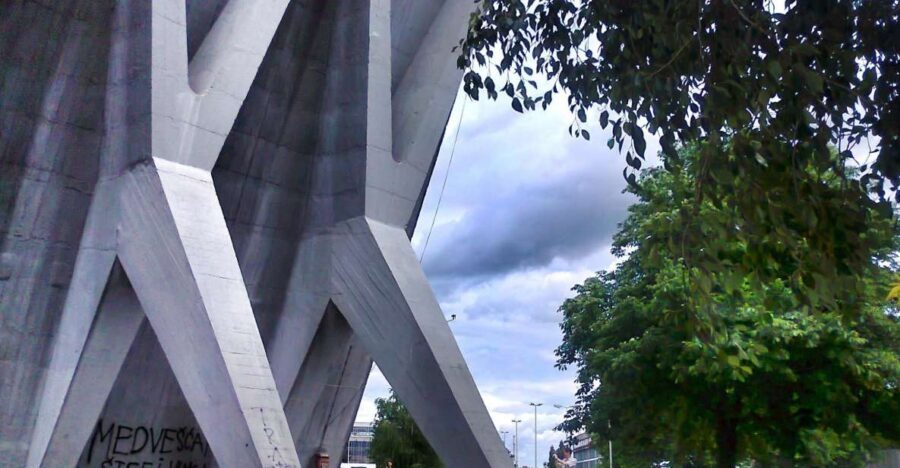
- Crossing the Sava River changes the story from central Zagreb into New Zagreb’s post-war housing era
- Long-established cycling lanes help you move safely and smoothly
- Street art and contemporary culture appear as you transition into newer districts
- Bundek Park with lakes gives you a breather mid-tour
- Guided history made local: you’ll learn the why behind social-system change
- A strong conversation pace keeps the ride engaging without feeling rushed
From Central Zagreb to the Socialist City: What This Bike Tour Really Feels Like
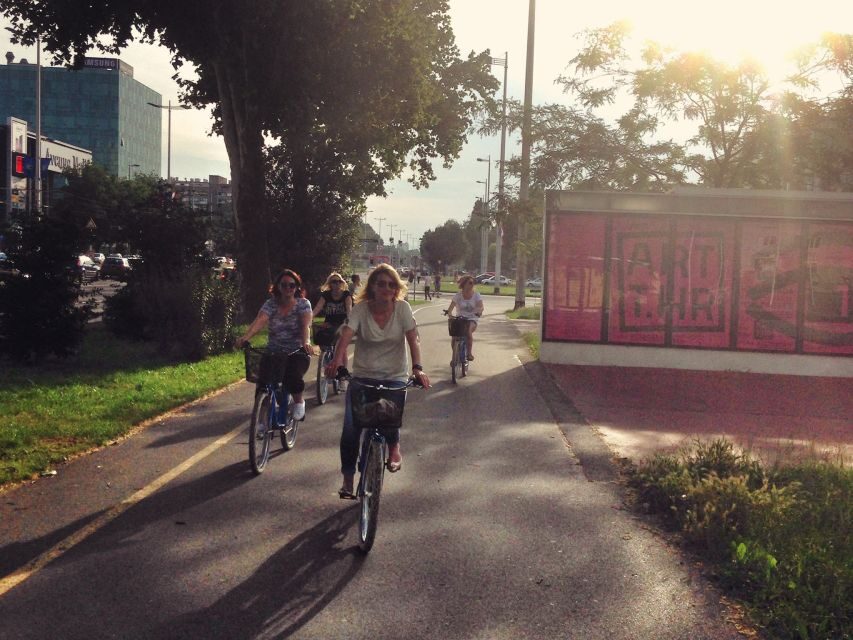
This is a 2.5-hour cycling tour that’s built around contrast. You start in the city center, then the urban feel shifts quickly. One moment you’re near major institutions and squares. The next, you’re crossing the river and riding into a different Zagreb—one shaped by post-World War II planning and the era of communism.
What makes this fun is that it’s not just sightseeing. It’s a guided walk-through, using the bike as the tool that connects architecture, daily life, and social change. And you don’t have to be a history nerd to enjoy it—you just need curiosity and the willingness to look at neighborhoods as living systems.
The route is also practical. You’ll use established bike infrastructure for much of the ride. That matters because it keeps your attention on the buildings, the street scenes, and the guide’s explanations—rather than fighting traffic or dodging obstacles.
Starting Point at Trg bana Josipa Jelačića: Quick Setup, Then You’re Moving
You’ll meet at Trg bana Josipa Jelačića 15 at Zagreb’s main square. The bike shop office is in an alley where the statue on the square points you toward it. It’s the kind of meeting point that’s easy to find once you’re standing at the right spot.
After you link up, you’ll head off from Blue Bike Zagreb and begin with a short stretch of riding toward central landmarks. The early minutes are a warm-up. You’ll also get your bearings fast, which is helpful here because the tour’s best payoff comes once you’re comfortable on the bike.
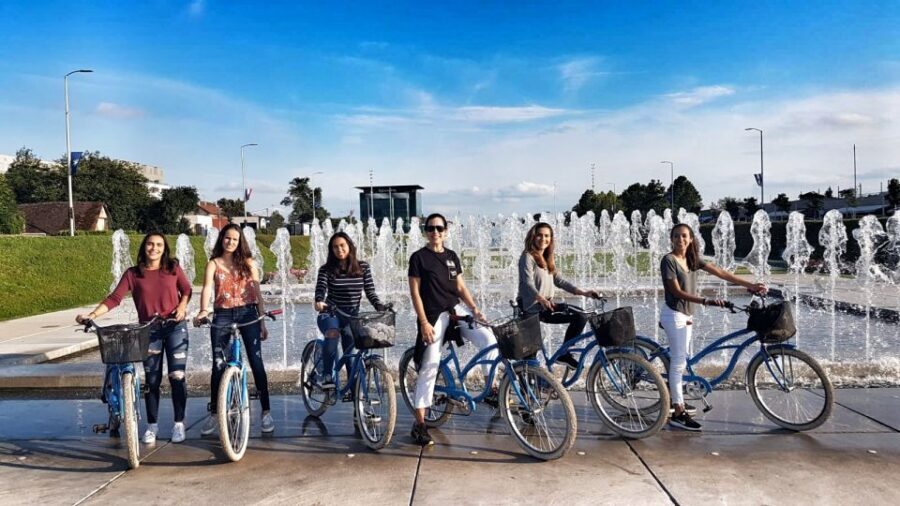
You’ll be on a rental bicycle provided for the tour, and a helmet is offered as optional. For a smooth experience, I’d still recommend wearing one—especially if you’re sensitive to city riding.
Croatian National Theatre and the City-Center Anchors
Your first stop is near the Croatian National Theatre. This is a signal moment. Central Zagreb projects cultural prestige—formal buildings, big streets, and a sense of civic identity. It’s the kind of backdrop that makes the later shifts feel even more dramatic.
From here, the tour moves in short stages—enough time to learn why each place matters, then enough momentum that you never feel stuck. If you like structure, this is where you’ll appreciate it. The ride isn’t a long slog. It’s a sequence.
Practical note: the ride from the start through the center is short enough that you won’t feel like you’re “wasting time” before the main story begins.
The Croatian State Archives: Why Institutions Matter
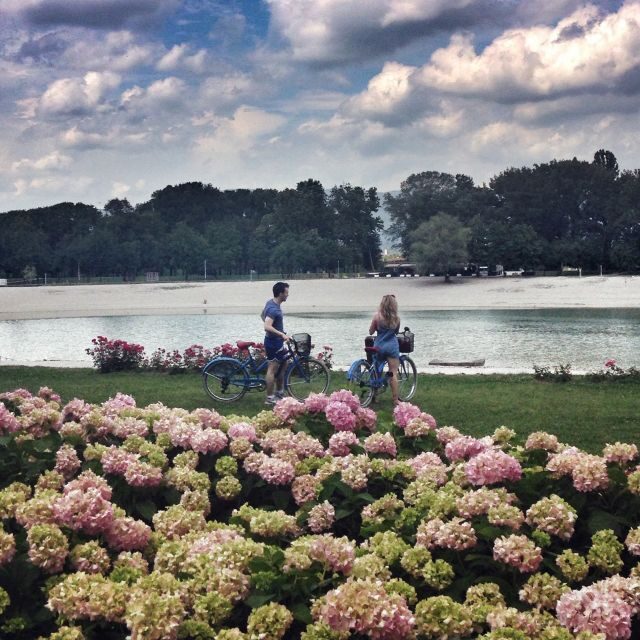
Next you’ll pass by the Croatian State Archives area. Archives sound dry, but in a guided context they become powerful. They’re the reminder that history isn’t just street-level memory—it’s also stored, organized, and shaped by the institutions that run a country.
This stop fits the tour’s theme perfectly. Later you’ll learn how the social system and society changed. Here, you’re seeing the framework—who collects records, who preserves official narratives, and how states define what gets remembered.
If you enjoy learning in layers—politics, culture, the physical city—this part works well because it sets the logic for what you’ll see after the river crossing.
Crossing the Sava River: Where the Tour’s “Back to Socialism” Theme Clicks
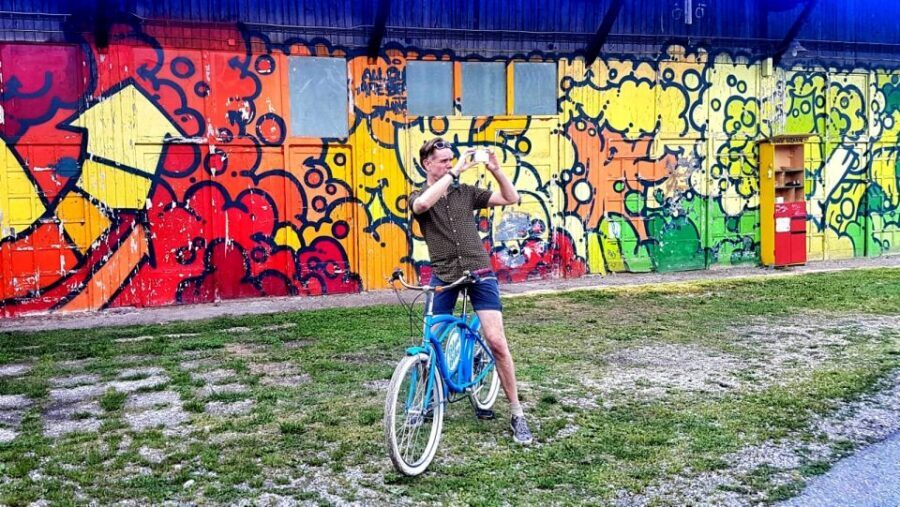
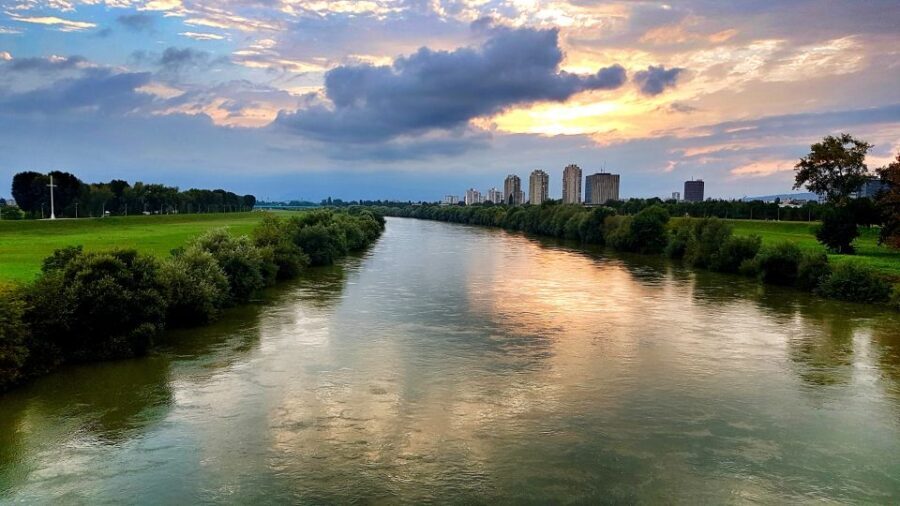
This is the moment many people are waiting for. When you reach the Sava River, the route description makes the shift feel sudden—in the best way. You cross over, and Zagreb changes zones fast.
The tour then leans into the story of New Zagreb as a post-war housing area. You’ll ride on bike lanes that were described as long ago established, so the experience stays calm and safe even as the urban character changes. This is important. It keeps you relaxed enough to pay attention to what the guide is tying to the landscape around you.
You’ll learn how Zagreb’s development since the post-World War II era was influenced by the socialist period—and how that influence still shows up today in the way neighborhoods function.
And if you’re the type who likes learning by seeing, this is where it lands. You’re not reading about a system. You’re watching it play out in streets, buildings, and daily movement.
Green Horseshoe and the Street-Art Zone: The City After the Era
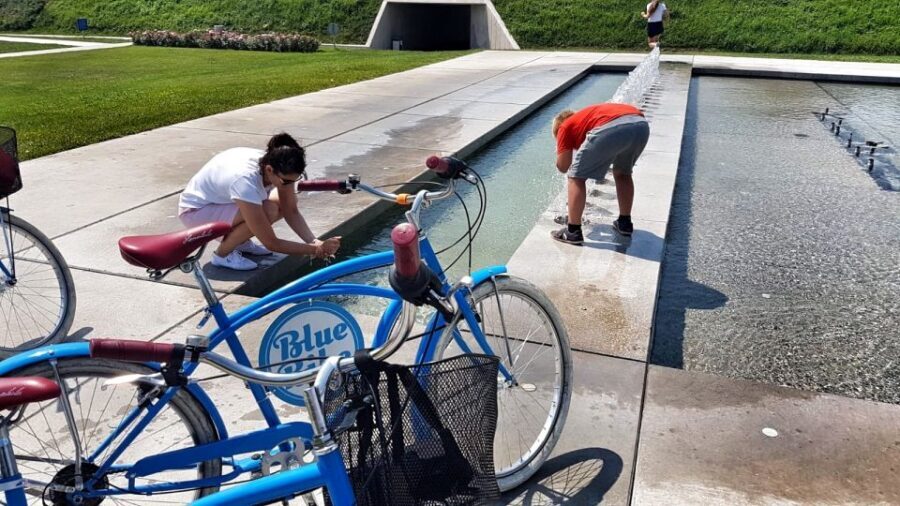
Before you settle into the housing-side story, you’ll also get a taste of the Green Horseshoe area—part walking, part riding. That mix helps because it slows you down enough to notice small details you’d miss at bike speed.
Then the route becomes about what came after. The description points you toward street-art territory and a “lively contemporary” scene. The idea here isn’t to treat socialism as a closed chapter. It’s to show how older planning and social structures evolved into today’s identity—where contemporary art has room to breathe.
This is one of the tour’s smartest design choices. It doesn’t make history feel frozen. It makes it feel like a base layer.
Zagreb Fair to Bundek Park: A Breather Mid-Ride
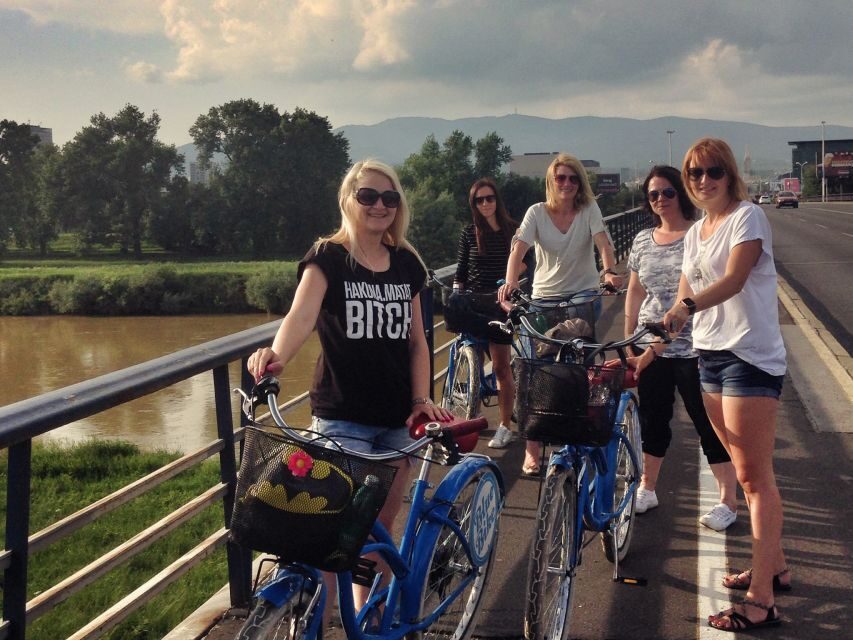
As you continue, you pass near Zagreb Fair—another clue that the city isn’t only about monuments. It’s also about systems for events, gatherings, and movement of people.
Then you roll into Bundek and the nearby calm. Bundek Park is described as shady and peaceful, with lakes that cool the whole experience. This is where the tour gives your legs a chance to settle while your brain keeps absorbing the story.
Midway stops like this matter more than you’d think. On a longer ride, you’d lose focus. Here, the park acts like a reset button.
If you travel with kids or older relatives, this pacing is a plus. It’s not just “cycle and endure.” You get a scene change and a mental break.
Contemporary Art Museum Area: Culture as a Living After-Story
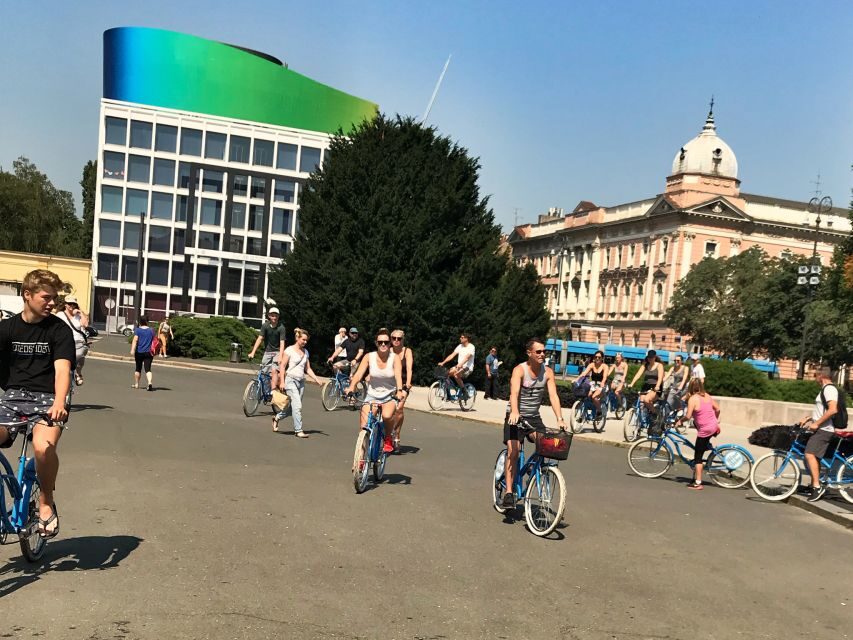
You’ll also check out the area around the Contemporary Art Museum. This connects directly to the tour’s thread: society changes, and so does the creative output around it.
I like museum-adjacent stops on bike tours because they feel like cultural waypoints, not checkboxes. Even if you don’t go inside (nothing here suggests you’re required to), you still get a sense of what kind of Zagreb is being celebrated right now.
It’s also a strong match for the tour’s “why” focus. The guide isn’t just naming dates. They’re helping you interpret how social systems shape public life, and how public life influences art and culture.
Botanical Garden of the Faculty of Science: A Quiet Stop That Adds Balance
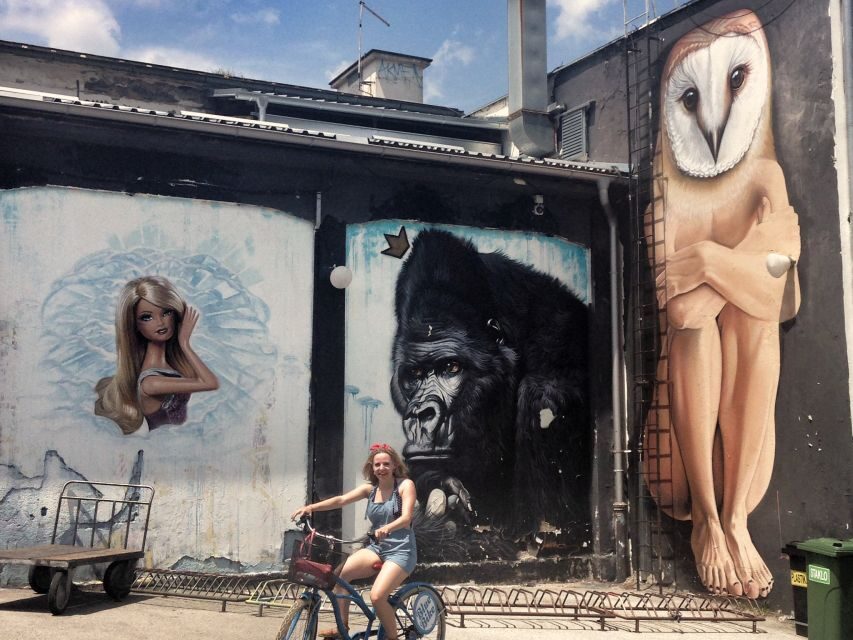
Next is the Botanical Garden of the Faculty of Science, University of Zagreb. This one is great for variety. After the social-system talk, you get a reset into something slower, greener, and more observational.
Even if you only see it briefly from the bike route, it gives you contrast against the more political stops. It also helps you feel the city’s range—institutions, culture, housing neighborhoods, and research-oriented spaces.
This stop also supports the tour’s promise that you’ll see “how and why society change.” Science gardens are a reminder that societies run on more than politics. They run on education, research, and long-term thinking.
King Tomislav Square and Park Zrinjevac: Finishing in Classic Zagreb
Near the end, you reach King Tomislav Square, then Park Zrinjevac. These are central, recognizable anchors. They’re the kind of places that make visitors feel oriented.
And you get an emotional payoff: cycling back, the description promises one of the loveliest city sights, with mountains in the background. Even if you’ve seen photos of Zagreb before, the perspective from the ride tends to make it feel more real.
This finish matters. The tour starts with civic landmarks, takes you into the “other Zagreb,” and then brings you back with a broader understanding. That is the value you can’t always get from a straight walking tour.
Price and Value: Is $57 Worth It for a 3-Hour Bike Tour?
At $57 per person for about 150 minutes, the value mostly depends on what you want out of Zagreb.
If you’re the type who likes learning with context—how neighborhoods grew, how older systems still shape life now—this price is reasonable. You get a bicycle, an English-speaking local guide, and a route that covers enough ground to feel like you moved through Zagreb, not just around one district.
Bike tours often feel worth it when the ride is efficient. Here, the use of bike lanes and short stop-and-go segments keeps the time productive. The tour also targets the “socialism” theme directly, which can be hard to stitch together on your own without knowing what to look for.
If you mostly want casual views and don’t care about the historical-social angle, you might feel the emphasis is too specific for the time.
How to Get the Most From the Guide: Practical Tips
A lot of the tour’s magic is how the guide connects places to ideas. In the feedback, guides such as Roza are praised for being super interesting and packing in historical information. Others, like Ilona, are singled out for offering a good understanding of real life in Zagreb and making the ride feel more efficient than walking.
That tells you something important: this is not just a route. It’s a conversation.
So here’s what I’d do if I booked:
- Ask one clear question early about the social-system changes you’ll hear about.
- If the socialist-era angle is your main interest, ask how much time they spend on that period versus later changes.
- Bring energy for discussion. The best parts of this style of tour come from back-and-forth, not just listening.
Also, because this is cycling, wear comfortable clothing and keep water in mind. Even with a moderate pace, the half-day sun and wind can add up.
Who This Tour Is Best For (And Who Should Skip It)
This tour is a strong choice if:
- You want Zagreb history that’s tied to real neighborhoods, not just monuments
- You enjoy cycling and want an efficient way to cover central + New Zagreb
- You like parks and a bit of calm time, not only buildings and streets
It’s also listed as suitable for children and elderly adults, which is a good sign for the overall pacing.
Skip it if:
- You need wheelchair access or have mobility limitations that make cycling difficult, since it’s noted as not suitable for wheelchair users or mobility impairments
Should You Book This Cycle Back to Socialism Tour?
I think you should book if Zagreb’s socialist-era planning and how it still echoes today is genuinely your kind of story. The combination of crossing the Sava River, riding safe bike lanes, and getting a mid-tour park/lake break makes it feel like an actual experience, not a lecture with pedals.
You might skip it if you want only light, scenery-first sightseeing with no interest in social-system context. Also, if you care deeply about specific political eras beyond what’s promised in the tour’s general theme, ask your guide ahead of time what depth you can expect.
For many visitors, though, this is the sort of tour that helps the city “make sense” fast—while still ending with those classic Zagreb views you’ll want to remember.
FAQ
How long is the Zagreb cycle back to socialism tour?
It lasts 150 minutes (about 3 hours).
How much does it cost?
The price is listed as $57 per person.
Where does the tour start?
You’ll meet at Trg bana Josipa Jelačića 15 at the main square. The office is in an alley where the statue on the square is pointing to.
What’s included with the booking?
Inclusions are a bicycle and a local English-speaking guide. A helmet is optional.
Is the tour guided in English?
Yes, the tour is guided in English.
Is the tour suitable for kids or older adults?
Yes, it’s stated to be suitable for children and elderly adults.
Is it wheelchair accessible?
No. It’s listed as not suitable for people with mobility impairments and wheelchair users.
Do I need to bring my own bike?
No. The bicycle is provided as part of the tour.
Can I book privately?
Yes, private group availability is offered.