REVIEW · BELGRADE
From Belgrade: 3 Danube Fortresses tour
Book on Viator →Operated by Serbian Insiders · Bookable on Viator
Fortresses with big Danube drama. This 9-hour tour strings together three major fortresses and a quiet nature stop, all with pickup and an English-speaking guide. I especially like the mix of eras—medieval Serbian power at Smederevo, Ottoman artillery strategy at Ram, and the Iron Gates legend at Golubac. One drawback to plan for: entry tickets and lunch aren’t included, so you’ll want a little extra cash and flexibility.
In a small group capped at 8 people, you get time to actually hear the stories instead of rushing through look-and-snap viewing. The guides are the real engine of the day; I’m glad to see names like Angela and Marko highlighted in feedback for bringing the sites to life. If you’re the type who wants lots of free roaming time, the set schedule may feel a bit tight between stops.
In This Review
- Key things I’d zero in on
- Danube Fortresses in One Day: how the 9 hours really feel
- Price and what’s extra: guide + transport, then fortress tickets
- Smederevo Fortress: a lowland stronghold built for a last capital
- Ram Fortress on the Danube: Ottoman strategy and early artillery thinking
- Golubac Fortress and the Iron Gates: why this “guardian” mattered
- Silver Lake break at Srebrno Jezero: free admission, calm lunch time
- Guides who tell the story: what you can expect in English
- How to plan your day: timing, photos, and lunch choices
- Should you book the From Belgrade: 3 Danube Fortresses tour?
- FAQ
- What’s included in the tour?
- Are pickup and drop-off included?
- How long is the tour?
- What stops will I visit?
- Are tickets to the attractions included?
- Is lunch included?
- What’s the refund and weather situation like?
Key things I’d zero in on
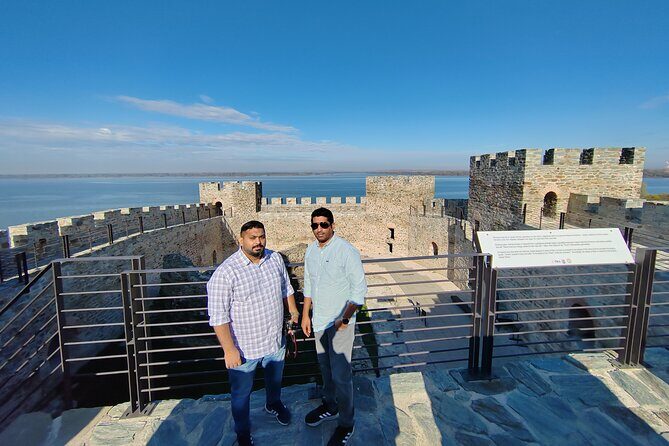
- Small group size (max 8) keeps the pace human and the questions flowing
- English guide storytelling makes fortifications feel like living history
- Three fortresses with different “reasons to exist”—capital defense, artillery control, and river guardianship
- Silver Lake break includes free admission and a calm lunch window
- Air-conditioned vehicle + pickup helps you handle a long day without stress
Danube Fortresses in One Day: how the 9 hours really feel
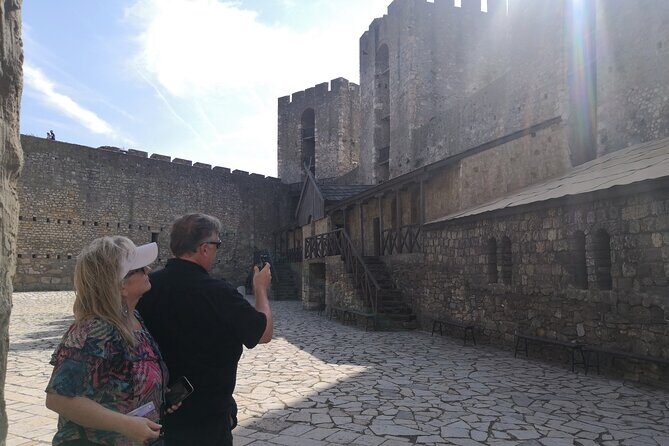
This tour is built for people who don’t want to spend a whole day driving on their own. You start at 9:00 am, you’re picked up from your provided location, and you’re back after a full day that includes travel time between sites. The official time on-site is capped, so you should think of this as structured sightseeing, not a slow wander.
The pace is fairly straightforward: quick fortress hits at two stops, a longer, story-heavy visit at Golubac, then a nature pause at Srebrno Jezero (Silver Lake). Expect most of the “extra time” to be between places—perfect if you want the route handled, but not ideal if you’re hoping for lots of downtime.
Because it runs in good weather and requires time outdoors, I’d plan for layers. Wind off the Danube can make open areas feel cooler than you expect, and fortresses can be exposed.
You can also read our reviews of more tours and experiences in Belgrade.


Price and what’s extra: guide + transport, then fortress tickets
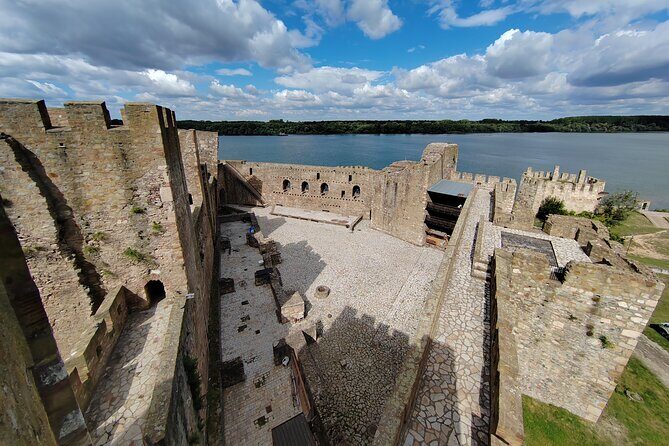
At $144.03 per person, the value is strongest when you treat this as three guided fortress visits plus a scenic break. What you’re getting is the air-conditioned vehicle and guide services—the two hardest parts to manage alone on a long day trip.
What’s not included is crucial: admission tickets for the attractions are separate. That means your final budget depends on current ticket prices at Smederevo, Ram, and Golubac. The good news: Silver Lake’s admission is free, so at least one part of the day won’t add cost.
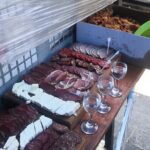
For lunch, it’s not included. The tour does give you about 1 hour 30 minutes at Silver Lake, which is a solid lunch window. I’d treat lunch as your personal choice—bring something if you like, or use the break to buy food on the spot.
Smederevo Fortress: a lowland stronghold built for a last capital
Stop #1 is Smederevo Fortress, described as one of Europe’s largest low-land fortresses. Built in 1427, it served as the last capital of the Serbian medieval kingdom before the Ottoman invasion in the mid-15th century. If you’re the kind of traveler who likes “why this place exists,” Smederevo’s story gives you a clear answer: it was designed to defend, and the scale makes that obvious fast.
You’ll have about 45 minutes here, so the timing works best if you focus on the big layout: walls, towers, and defensive structure. The fortress is especially interesting because the fortification style is tuned to its setting—low-land doesn’t mean gentle; it means you need strong lines and tight defensive logic.
The main consideration is time. Forty-five minutes can feel short if you love reading every plaque and exploring every corner. If that’s you, I’d prioritize the most important defensive areas for photos first, then use the rest for wandering.
Ram Fortress on the Danube: Ottoman strategy and early artillery thinking
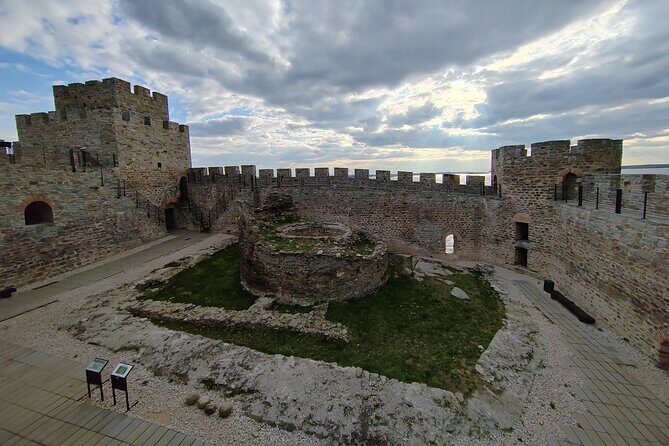
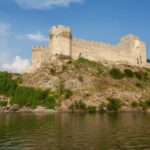
Next up is Ram Fortress, built on a hill on the right bank of the Danube. It was constructed by Ottoman Sultan Bayazeed II and is considered strategically important, including as one of the first artillery fortresses in Europe. That artillery angle matters because it changes how you “read” the walls: you’re not just looking at medieval defense anymore—you’re seeing a shift toward controlled fire and positioning.
Again, the stop time is about 45 minutes, which means your best use of time is listening closely while you look. You’ll get more from Ram if you connect what you see—height, position, walls—to why the Danube location mattered.
The other practical note: being on a hill usually means more uneven ground and wind exposure. Comfortable shoes are a must, and it’s smart to keep your phone handy for quick Danube views, because that’s where the fortress logic becomes obvious.
Golubac Fortress and the Iron Gates: why this “guardian” mattered
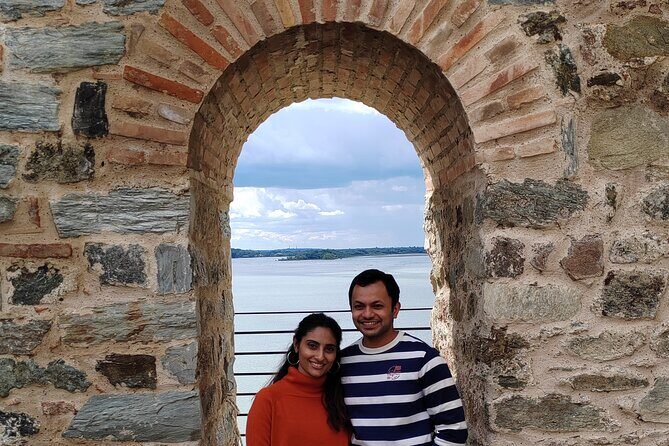
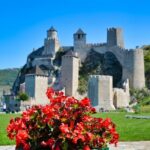
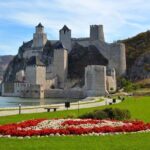
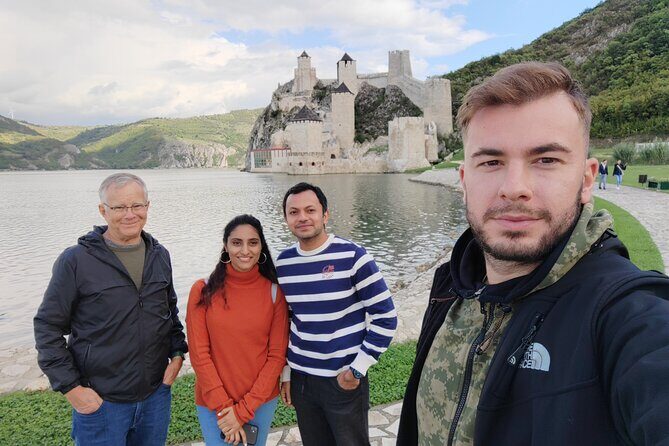
Stop #3 is the long one: Golubac Fortress, about 1 hour 30 minutes. It’s often called the Guardian of the Danube, guarding the entrance to the Iron Gates gorge. The setting gives the fortress its job description: control the choke point, watch the river traffic, and dominate the narrow passage where the Danube funnels through dramatic terrain.
What makes Golubac stand out in story terms is the claim that it was never conquered by any army—instead, it changed hands through political agreements. That twist is the kind of detail that turns “old stones” into a real political map in your head. You’re not only seeing architecture; you’re watching how power got negotiated at the edge of a major water route.
Because you get more time here, you can actually slow down a bit. I’d spend the extra minutes doing two things: (1) orient yourself with the Danube and gorge viewpoint, and (2) let the guide’s storytelling connect the fortress’s role to the landscape. This is also the stop where your camera will likely work overtime.
One drawback to keep in mind: if you’re expecting a short-and-sweet photo stop, Golubac’s longer time may feel like you could’ve gotten more places. But if you want meaning, this is the best-balanced stop.

Silver Lake break at Srebrno Jezero: free admission, calm lunch time
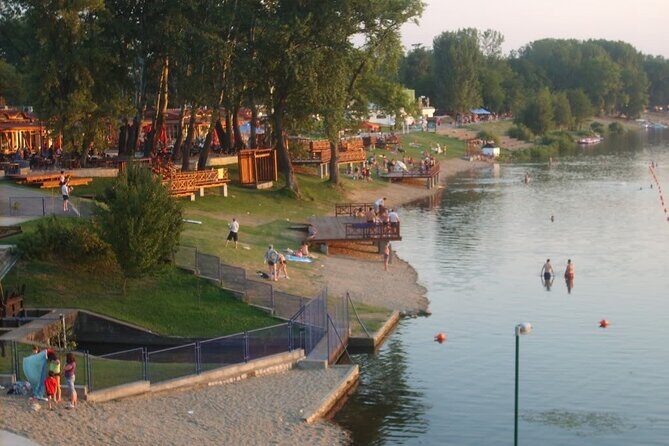
After three fortress visits, you get a breather at Srebrno Jezero (Silver Lake). It’s an ideal lunch break, with a focus on watching the lake and enjoying the quiet. The best part for budgeting: admission here is free, and the stop lasts about 1 hour 30 minutes.
This stop is valuable for a very practical reason. Fortresses are active—climbing, walking, looking hard—then suddenly you’re near water with open, calmer views. That rhythm helps you enjoy the second half of the day without feeling like you’re just rushing to the next “must-see.”
For lunch, remember it’s not included, so you’ll either buy food or bring your own depending on what’s convenient. If your guide is friendly and observant (they often are, based on feedback tied to guides like Marko), you may get pointers on where to eat nearby.
Guides who tell the story: what you can expect in English
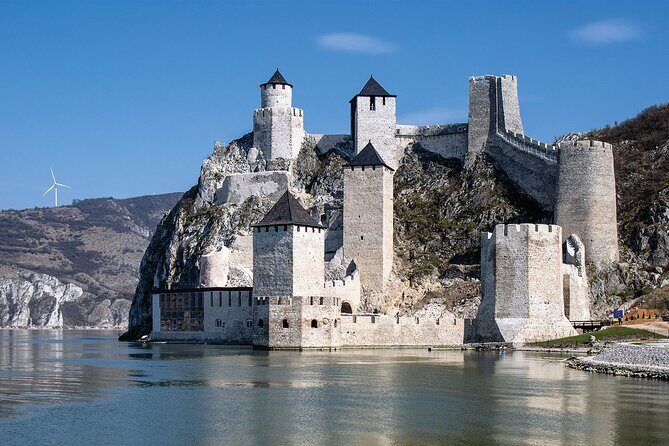
This tour runs with tour guide services and is offered in English, and that matters more than people think with fortress sites. Fortifications can look repetitive if you only glance at walls and towers. When the guide connects each place to the power behind it—capital defense, artillery placement, river control—the stones start making sense.
The feedback I’ve seen is consistent about two things: friendly service and storytelling that makes the sites feel “alive.” Names like Angela and Marko are specifically called out, with comments about clear explanations and the way the guide helps you get through the day with confidence. One person even noted extra local help around lunch, which is exactly the kind of small benefit that turns a good tour into a comfortable one.
Because your group is capped at 8 travelers, you should also expect that questions don’t get swallowed by the crowd. If there’s something you want to understand—like why one fortress is on a hill while another is in low ground—this setup gives you a better chance of getting a direct answer.
How to plan your day: timing, photos, and lunch choices
Since the tour schedule locks in the key stops, your best strategy is to treat the day like a guided route with your own small choices. Plan to bring comfortable walking shoes for uneven fortress ground, and consider a light jacket for wind. A hat and sunscreen can also help, since Danube viewpoints can be bright.
For photos, I’d think in “angles,” not just shots. At Smederevo, capture the overall fortress shape and towers. At Ram, aim for viewpoints that show the hill-and-river relationship. At Golubac, give yourself a few minutes to frame the gorge entrance, because that’s where the “guardian” story clicks.
Lunch at Silver Lake is your best chance to reset. Because lunch isn’t included, you’ll want to decide early if you prefer buying food at the break or keeping it simple with something you bring. Either way, use the quiet time—this is one of the nicest parts of the itinerary.
One more planning tip: this experience requires good weather. If conditions turn, the tour may be offered another date or a refund can be arranged. Keep that in mind if your schedule is tight.
Should you book the From Belgrade: 3 Danube Fortresses tour?
I’d book this tour if you want a smart, guided way to see three major Danube fortresses without spending hours building your own transport plan. It’s also a good fit if you care about context—the guide helps you connect architecture to strategy, not just dates on a wall.
I’d hesitate if you’re the type who hates ticketing add-ons, because fortress admissions aren’t included. And if you want lots of unstructured time on your own, the stop lengths are timed, so your freedom is limited compared with an independent day.
If you like clear pacing, a small group, and a guide who can turn stone and geography into a story, this is a strong value way to spend a day on the Danube.
FAQ
What’s included in the tour?
You get an air-conditioned vehicle and tour guide services. Admission tickets for the fortresses are not included.
Are pickup and drop-off included?
Yes. Pickup is offered from your provided location, and the schedule includes the travel time from pickup until drop-off.
How long is the tour?
The tour duration is approximately 9 hours.
What stops will I visit?
You’ll visit Smederevo Fortress, Ram Fortress, Golubac Fortress, and Silver Lake (Srebrno Jezero) for a lunch break.
Are tickets to the attractions included?
No. Ticket fees are not included for the attractions. Silver Lake admission is listed as free.
Is lunch included?
No. Lunch is not included, though there is a longer break at Silver Lake where you can eat.
What’s the refund and weather situation like?
You can cancel for a full refund up to 24 hours before the experience starts. The tour requires good weather; if it’s canceled due to poor weather, you’ll be offered a different date or a full refund.