REVIEW · BELGRADE
Belgrade Walking Tour in French
Book on Viator →Operated by Bienvenue en Serbie · Bookable on Viator
Belgrade changes fast once you start walking. This French-guided route turns big landmarks into a clear story about Serbian life, old streets, and the city’s Francophone connections. I especially like the way Nenad blends journalist-style anecdotes with what you can actually see on the ground, and the focus on neighborhoods you’d miss on a quick checklist. One thing to consider: the tour is timed and mostly on foot, so you’ll want comfortable shoes and a little stamina for the fortress area.
A small group also makes a difference. With a maximum of 8 people, you can ask questions and get answers on the spot—useful when you’re learning about history that still feels close to everyday life. I’m also drawn to the practical bits, like using street plates and signs to help you read Cyrillic, even if you start with zero. The main drawback is that it’s not a “see everything” sprint; it’s a guided storyline, so if you want total freedom to roam, you may prefer a flexible self-guided day.
In This Review
- Key Highlights You’ll Notice Right Away
- A French Walk Through Belgrade That Actually Makes Sense
- Nenad’s Journalist Style: Stories, Answers, and Real Places
- Starting at Trg Republike: The White City Gets Its First Explanation
- Skadarlija and the Rue de France / Rue Skadarska Trail
- Dorćol: Old Belgrade, One Mosque, and Your First Cyrillic Practice
- Ruzica Church: From Gunpowder Warehouse to Military Church
- Kalemegdan Park and the Fortress Views Over Sava and Danube
- Monument of Gratitude to France: A Friendship Story Since the Great War
- Passing the French Embassy: Interwar Architecture Details to Watch
- King Peter I Street and the Old-Quarter Flavor That Ends Your Walk
- Price and Logistics: What $43.94 Really Buys You
- Who Should Book This Tour (and Who Might Skip It)
- Should You Book This French-Language Belgrade Walking Tour?
- FAQ
- What language is the Belgrade walking tour offered in?
- How long is the tour, and where does it start and end?
- What is included in the itinerary?
- Is there an admission ticket cost for the stops?
- How big is the group?
- Do I need a ticket before arriving?
Key Highlights You’ll Notice Right Away
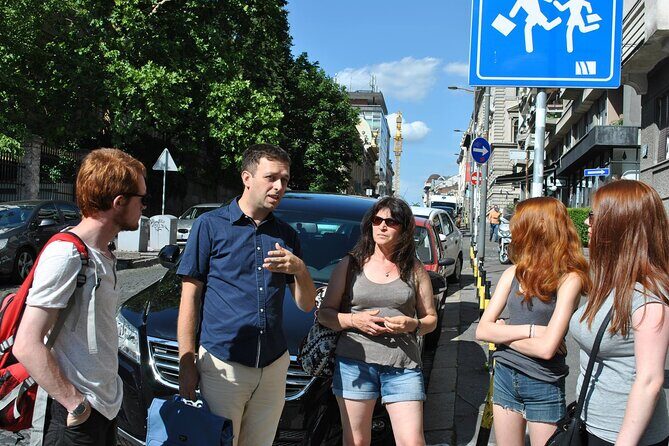
- French-speaking journalist guide (Nenad) telling stories as you walk, not just facts on a sign.
- Skadarlija’s Rue Skadarska linked to Montmartre, plus the bohemian vibe of 19th-century Belgrade.
- Dorćol’s only mosque in town and a hands-on chance to practice reading Cyrillic on real street signage.
- Kalemegdan + Belgrade Fortress with panoramic views where the Sava meets the Danube.
- Francophile stops: Monument of Gratitude to France, the French Embassy area, and King Peter I street.
A French Walk Through Belgrade That Actually Makes Sense
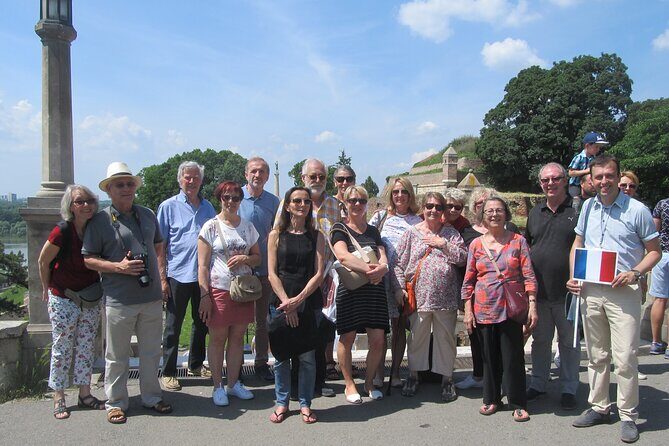
Belgrade is one of those cities where history isn’t stuck in a museum box. You see it in architecture, street names, and the way different eras sit side by side without asking permission. This tour leans into that reality, using a French-speaking journalist’s voice to connect dots as you move.
I like that it’s not only about monuments. It also covers current life in Serbia and the culture behind it, so the tour feels like a guided conversation rather than a lecture. You’ll get a practical “how to read the city” lens, especially if you’ve never been to Serbia before.
The price—$43.94 per person for about 3.5 hours—is fair for a guided, French-language experience with a small group. In this format, you’re paying for a guide who knows where to look and how to explain what you’re looking at.
You can also read our reviews of more walking tours in Belgrade
Nenad’s Journalist Style: Stories, Answers, and Real Places
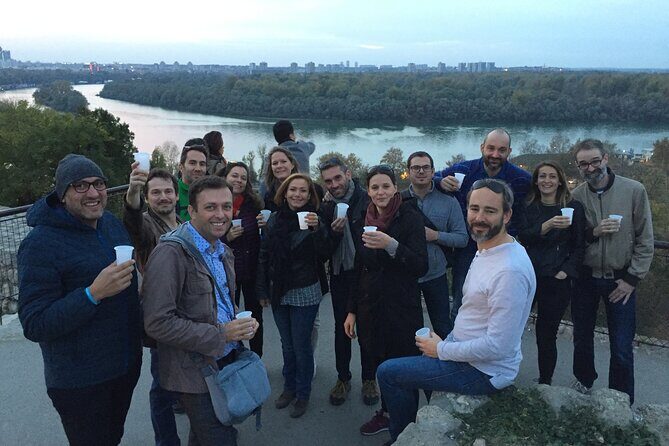
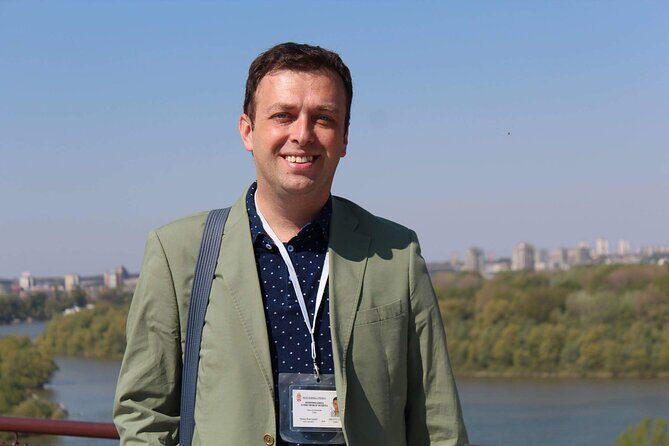
Nenad is the kind of guide who treats a walking route like a report. He mixes history, culture, and everyday details in a journalistic and touristic style—so it doesn’t feel like you’re just touring “old stuff.” The anecdotes he shares are part of the package, not an occasional add-on.
From what you can expect on the ground, the best moments aren’t always the biggest buildings. They’re the small, surprising corners of the fortress and the “Belgrade’s underside” perspective—places that don’t show up in a standard photo lineup. That’s how you end up understanding Belgrade’s layers rather than just collecting highlights.
This also helps with questions. The group is small (up to 8), so you’re not stuck waiting your turn while the guide talks at you. If you’re curious—about Ottoman influence, Serbian culture, or the France connection—you’ll likely get clear answers as you go.
And yes, you might want to plan for a group-paced tour. It’s guided at an energetic walking tempo, but it’s still designed for most people to participate. So if you’re not planning to sprint, you’ll probably do fine.
Starting at Trg Republike: The White City Gets Its First Explanation
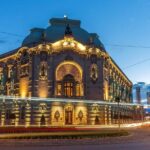
Your walk starts at Trg Republike (Republic Square), at Trg republike 3. This is a strong choice because it frames Belgrade quickly: you begin in the civic heart of the city, then let the guide pull you through the timeline.
Expect about 15 minutes here, with time to orient yourself and absorb the bigger story. Key stops include the monument of Prince Michel, plus the National Theater and the National Museum. Even if you don’t go inside museums, the exterior setting matters—these buildings help explain how Belgrade presents itself at key moments in its modern history.
I like the way the tour uses a “start broad, then zoom in” method. You’re not left guessing why the city feels like it has multiple identities. The guide sets up the themes early, including the French angle that keeps returning later.
Skadarlija and the Rue de France / Rue Skadarska Trail
From Republic Square, you continue toward the bohemian quarter and the streets tied to France. This is where the tour gets extra fun for language lovers and street-name spotters.
You’ll pass by the Rue de France area, where nearby is Rue Skadarska in Skadarlija. This district is described as a bohemian neighborhood dating from the 19th century—the city’s version of the Montmartre vibe. The most specific detail that makes this meaningful: Rue Skadarska is the only street in Belgrade that has been twinned with Montmartre.
The stop is listed for about 10 minutes, so it’s short. But it’s enough time to catch the character of the place—think old-world café mood and the sense that Belgrade once liked to dress up its nights a little more.
If you’re the kind of traveler who likes to understand why a city names things the way it does, this will click. If you prefer pure landmark sightseeing, you may feel this section is more atmospheric than “big ticket.” Either way, it sets you up nicely for old Belgrade next.
Dorćol: Old Belgrade, One Mosque, and Your First Cyrillic Practice
Next you walk to Dorćol, often treated like the epicenter of old Belgrade. This part of the route is especially useful if you enjoy learning through what you can actually see around you.
Here’s what to expect: you’ll visit the only mosque in town, and the guide asks you to pay attention to the plates and signs. That’s your practical moment—an invitation to start reading Cyrillic from the street itself, not from a textbook.
Dorćol is also described as having an architectural mix where exterior buildings create an interesting blend of styles. That means you get variety in facades and shapes as you move, and the guide can tie those differences to the broader story of Belgrade.
This is one of the stops I’d prioritize if you like cultural context. Instead of “religion as a topic,” it’s religion as something you can observe in a neighborhood. And instead of “Cyrillic as a skill you learn later,” it’s Cyrillic as a quick tool for navigating what’s in front of you right now.

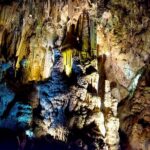


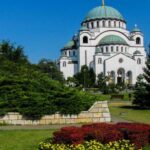
Ruzica Church: From Gunpowder Warehouse to Military Church
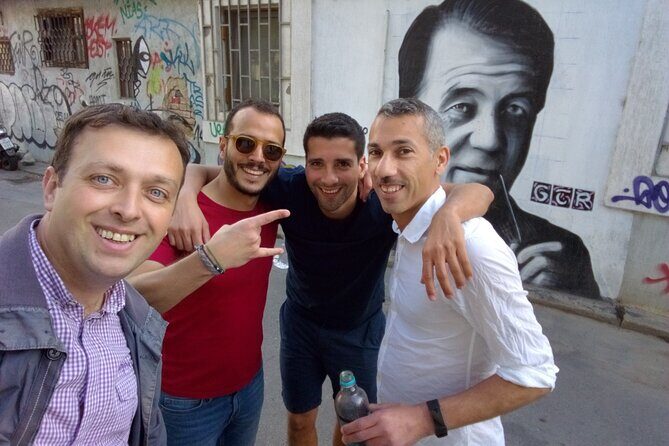
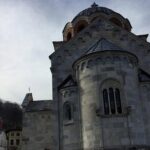
Then you head toward the citadel area and Ružica Church. This is one of those places where a single building carries a time jump you can feel.
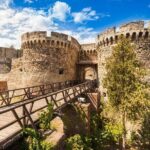
The tour frames it as an attraction within the fortress complex: it was used as a gunpowder warehouse and later transformed into a military church. The dates given are 1867–1869, which gives the story a clear historical backbone.
You’re typically looking at around 10 minutes spent here. That’s not enough time to be a full-on churchgoer, but it is enough to understand why the site matters and why the fortress area isn’t only about walls and viewpoints.
If you’re trying to remember the difference between “what you see” and “what it meant,” this is a stop that helps. The guide’s storytelling turns the shift in function into a reason to pay attention to the building’s place in the wider defense story of Belgrade.
Kalemegdan Park and the Fortress Views Over Sava and Danube
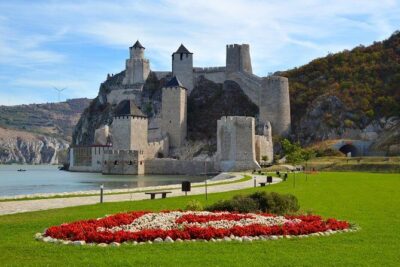
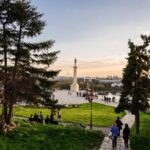
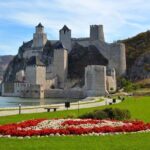
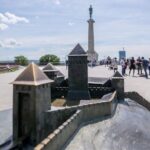
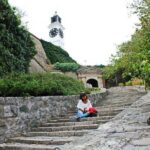
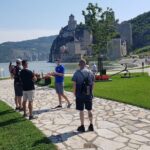
Now comes the payoff view moment. From Kalemegdan Park and the Belgrade Fortress, you’ll get panoramic scenery at the confluence of the Sava and the Danube.
Expect about 15 minutes focused on this area. The guide uses the view as a teaching tool, connecting the physical geography to how the city developed—because rivers like these shape trade, movement, and military thinking.
This stop also adds Ottoman-era context in Serbia and explains its influence on Serbian culture. The helpful part is that the guide ties the cultural impact back to what you can see and where you are standing, so it doesn’t feel like abstract history.
I also like that this part of the walk gives you a breather. You’re not only walking past things; you’re pausing to look, then listening to a structured explanation while your brain has a visual anchor.
Monument of Gratitude to France: A Friendship Story Since the Great War
A big reason to choose this tour is that it’s not pretending France is only a side note. Before you finish, you visit the Monument of Gratitude to France.
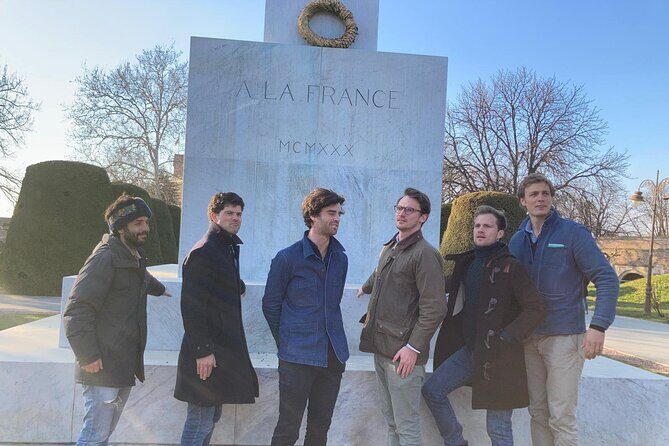
This stop is listed for about 10 minutes, and the focus is the story of Franco-Serbian friendship since the Great War. That matters because it shifts your understanding from “France has cultural influence” to “there’s a specific historical thread here.”
If you care about the meaning behind monuments, this section is worth it. It’s also a nice contrast after the fortress story: you move from military and empire timelines to modern diplomatic memory—same city, different stakes.
Passing the French Embassy: Interwar Architecture Details to Watch
As your route continues, you’ll pass the French Embassy in Serbia. The tour doesn’t treat the building like background, either. It points out its interwar period character, fueled by monumental classicism and refined sculptural work.
You’ll hear stories and anecdotes tied to this area. Even if you only have a few minutes, the guide helps you notice details you’d normally skip: the rhythm of forms, how classicism reads in stonework, and why the building’s style fits the era when it was designed.
This is the kind of stop that rewards your attention without demanding much time. You get architectural orientation plus the “why it looks like this” explanation.
King Peter I Street and the Old-Quarter Flavor That Ends Your Walk
Before the tour wraps, you pass by King Peter I of Serbia street—a name with built-in French connection, since he’s described here as a French-speaking king.
The route includes key stops you can spot from the street: the oldest restaurant in Belgrade, Princess Ljubica’s mansion, and other notable buildings. The idea is that by the time you reach the end point—near Kneza Mihaila 49 at the crossroads of Kneza Mihaila and Kralja Petra—you’re ready to keep exploring on your own.
This ending works well because it drops you near a central area rather than far outside the core. From there, you can continue at your pace: café break, photo walk, or just follow your curiosity.
Price and Logistics: What $43.94 Really Buys You
At $43.94 per person for around 3 hours 30 minutes, this tour is positioned for travelers who want a guided explanation in French. The real value is that you’re not paying for a generic route—you’re paying for interpretation.
A few details make that interpretation easier:
- Mobile ticket (so you’re not scrambling with printouts)
- A maximum of 8 travelers, which supports questions and back-and-forth
- The fact that the start area is near public transportation, which helps you arrive without stress
If you’re on a tight schedule, the 3.5-hour length is also a sweet spot. It’s long enough to cover fortress views, neighborhoods, and France-related sites, but not so long that you’ll feel like you’ve spent your whole day locked into a single plan.
One practical note: you’re walking through an old-city and fortress environment. Even though the tour says most travelers can participate, you’ll still want comfortable shoes and some patience for stairs and uneven ground you might encounter in the citadel area.
If you need flexibility, you can cancel for a full refund up to 24 hours before the experience starts. That can take pressure off when you’re timing weather and other plans.
Who Should Book This Tour (and Who Might Skip It)
This is a strong match if you want:
- A French-speaking guide who connects history to what you see
- A walking tour that includes neighborhoods like Dorćol and not only the “poster locations”
- A story-driven route that includes the Francophonie thread in Serbia
It’s also ideal if you’re the kind of visitor who likes to learn a little even when you’re not “studying.” The Cyrillic practice through street plates and signs is a smart example of that.
You might consider something else if you prefer:
- A self-guided structure with no fixed stops
- More time inside museums or inside sites (this tour is built around walking and viewpoints)
- A very fast checklist approach rather than an explanation-led pace
Should You Book This French-Language Belgrade Walking Tour?
If you’re in Belgrade and you want a guided story in French, I’d book it. The combination of a journalist-style guide, a small group, and stops that explain both Serbian culture and the France connection makes it more than a normal “walk and point” experience.
It’s especially worth it if you care about context: why buildings look the way they do, why street names matter, and how Belgrade’s layers connect from the fortress to everyday neighborhoods. And if you want to leave with something practical in your head—like the basics of reading Cyrillic signs—this is one of the smarter ways to do it during a short visit.
FAQ
What language is the Belgrade walking tour offered in?
The tour is offered with a French-speaking journalist, and it’s described as being in French too.
How long is the tour, and where does it start and end?
The tour lasts about 3 hours 30 minutes. It starts at Trg republike 3, Belgrade (Republic Square) and ends near Kneza Mihaila 49, Beograd 11000, at the crossroads of Kneza Mihaila and Kralja Petra.
What is included in the itinerary?
You’ll cover areas including Trg Republike, Skadarlija, Dorćol, the Ružica Church, Kalemegdan Park and the Belgrade Fortress, the Monument of Gratitude to France, and you’ll also pass areas such as the French Embassy and King Peter I street.
Is there an admission ticket cost for the stops?
The provided details list the stops as having free admission.
How big is the group?
The tour has a maximum of 8 travelers.
Do I need a ticket before arriving?
You get a mobile ticket, and confirmation is received at the time of booking.