REVIEW · BELGRADE
Private Belgrade Street Art and Adventures Walking Tour
Book on Viator →Operated by Snurk.Travel · Bookable on Viator
Belgrade street art tells stories fast. This private 3-hour walk connects you with the city’s alternative culture through murals and hidden spaces, and it also helps you read the meanings behind what you’re seeing. I really like how the guide ties the art to real places people use, not just photo spots.
I also like the mix of stops: from an old-school cultural center to repurposed buildings where art happens today. One thing to consider: this tour is built for people who enjoy the edgy, underground side of Belgrade—if you want classic sightseeing only, you may miss the vibe.
In This Review
- Key things you will notice right away
- Why street art is the best city guide in Belgrade
- Price and what you really get in 3 hours
- Meeting at Terazije Fountain: easy start, clear route
- Stop 1: Magacin and the alternative cultural center feeling
- Stop 2: Karađorđeva 31 and the BELEF mural story
- Stop 3: Belgrade Design District and the 90s mall that turned into art territory
- Stop 4: Street Gallery in a hidden passage for critical young-artist work
- Stop 5: Cetinjska 15, the former brewery, and the alternative nightlife vibe
- Murals from around the globe, but grounded in Belgrade
- Craft beer and handmade sweets: budget for the good part
- Who this tour is best for
- Should you book this private Belgrade street art tour?
- FAQ
- How long is the Private Belgrade Street Art and Adventures Walking Tour?
- Where does the tour start?
- Where does the tour end?
- Is this a private tour?
- What is included in the price?
- Are tickets or admission included for the stops?
- Are snacks or alcoholic beverages included?
- What kind of transportation situation should I expect?
- What is the cancellation policy?
Key things you will notice right away
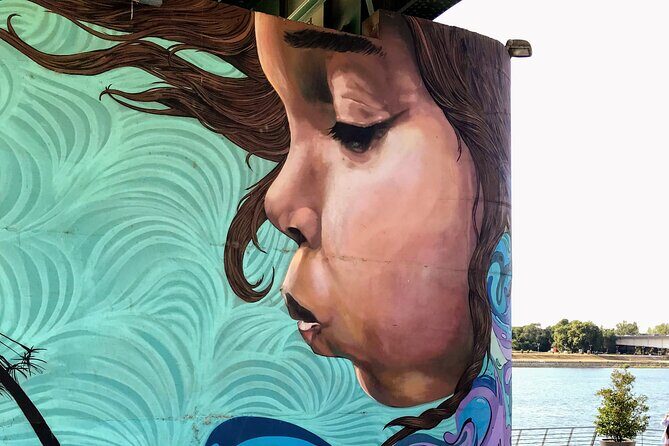
- Mural context that makes the walls readable, not just pretty
- Repurposed spaces like an old mall and a former brewery
- Hidden passages and outdoor galleries for street-level discovery
- Alternative cultural hubs tied to youth art, social life, and underground scenes
- Craft beer and sweets are on your agenda, but not included in the price
Why street art is the best city guide in Belgrade
Belgrade is one of those places where the walls feel like a public bulletin board. A lot of what matters in daily life shows up in the street art: local identity, history, protest energy, and the constant push-pull between old Belgrade and what people want next. On this tour, you don’t just look. You learn how to see.
The biggest value here is the way the guide links art to place. You’re walking through areas shaped by artists, designers, and cultural groups, and you’re getting the background that turns a mural from an image into a message. When you understand the why, you start noticing the details you’d normally skip: symbols, references, and the way artists borrow styles from elsewhere.
This tour also gives you a practical way to cover a lot of ground without feeling like you’re sprinting. It’s designed as a compact circuit of important street art stops plus nearby cultural corners that explain the broader scene.
You can also read our reviews of more walking tours in Belgrade
Price and what you really get in 3 hours
At $219.94 per person for a private tour, this isn’t a budget “stroll” option. But you are paying for three things that matter in the real world: a guide, a private group experience, and a tight route that focuses on specific street art sites and alternative venues.
Here’s the value math that makes sense for many visitors:
- You get about 3 hours of focused time with a guide, which helps if you only have a short stay.
- Each stop is about 30 minutes, so you’re not rushed through photos-only moments.
- Admission is free for the tour’s listed stops, which keeps costs predictable on-site.
- It’s mobile ticket friendly, so you’re not stuck with complicated paper logistics.
Snacks and alcohol are not included, so if you want to try craft beer and handmade sweets, plan to pay separately. That’s not a dealbreaker, but it does affect how you budget your evening plans.
Meeting at Terazije Fountain: easy start, clear route
You start at Terazije Fountain (Terazijska česma) in Belgrade, and the tour ends back at the same meeting point. That matters more than it sounds. A central start helps you arrive using public transportation, and returning you to the same spot means you can keep your day simple afterward.
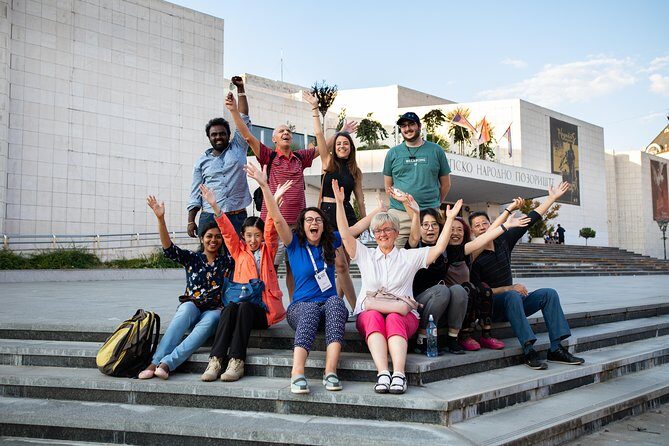
From the start, the walk is paced for conversation. You’re not just collecting murals like postcards—you’re learning how the city’s alternative scene works and why certain buildings and passages became canvases. Expect a mix of outdoor viewing and short “stop, look, learn” segments.
If you like asking questions, this kind of tour is a good fit. The structure gives you time to get explanations without the guide rushing to the next photo.
Stop 1: Magacin and the alternative cultural center feeling
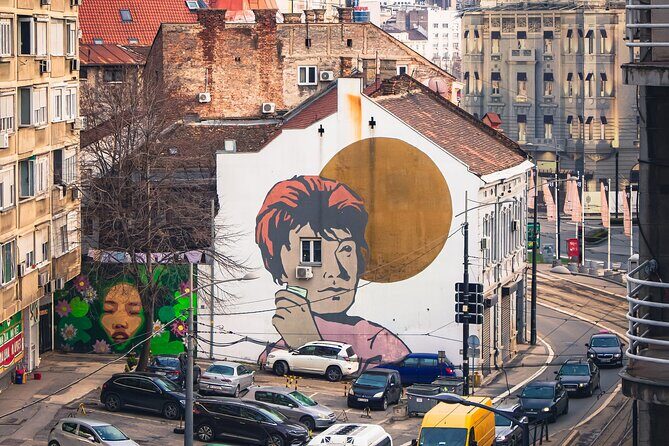
Your first stop is Magacin, an alternative cultural center and one of the older hubs in Belgrade. It’s a street art hotspot and a space for cultural and social activities that works on an open calendar model. In plain terms: this isn’t a building that only matters once in a while. It’s part of an ongoing scene.
Why it’s a smart first stop:
- It sets the tone. You understand the environment before you zoom in on individual murals.
- It gives you a baseline for how alternative culture organizes itself in Belgrade.
- It helps you see street art as something connected to people gathering, not just something painted for passersby.
This stop is about 30 minutes, and the ticket is free. That makes it a low-risk way to get oriented fast.
Stop 2: Karađorđeva 31 and the BELEF mural story
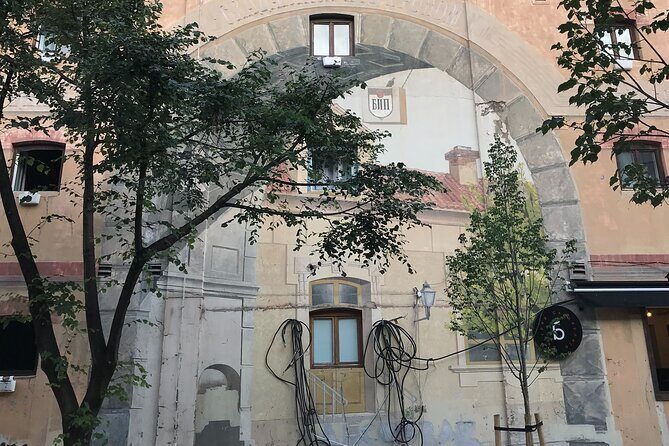
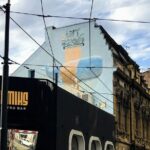
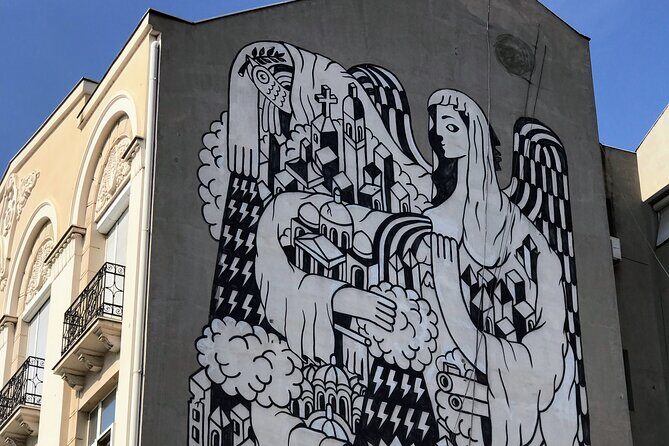
Next is Karađorđeva 31, where you’ll see a mural painted in 2008 during the BELEF festival by French artist Guillaume Alby (REMED). The mural is inspired by Belgrade history and sacral art.
This is where you start to notice the “translation layer” that makes street art meaningful. A lot of street art works like visual commentary: it borrows religious or historical symbolism to talk about modern identity. When you know what the artist was drawing on, you stop thinking of the wall as decoration and start reading it like a poster for ideas.
The time here is 30 minutes, and again the admission ticket is free. You’ll likely spend part of that time simply looking closely—then looking again with the added context.
You can also read our reviews of more private tours in Belgrade


Stop 3: Belgrade Design District and the 90s mall that turned into art territory
Now you step into the story of repurposing. Belgrade Design District is an abandoned shopping mall from the 90s that’s been occupied by young Belgrade designers and artists.
On many street art tours, you see walls. Here you see the bigger mechanism: how people take empty space and give it a new job. The 90s mall becomes a working environment for creative people, which changes how you interpret the street art around it. It stops being random and starts feeling like part of a broader creative ecosystem.
This stop is about 30 minutes and free. The main “draw” is the contrast: the building’s past purpose versus what it supports now. If you like urban change stories, this is one of the most interesting moments.
Possible consideration: since it’s tied to a design and youth art environment, the mood may feel more “working creative space” than classic museum gallery.
Stop 4: Street Gallery in a hidden passage for critical young-artist work
At Street Gallery, you’ll find an outdoor independent art gallery tucked into a hidden passage. It focuses on critical works from young artists.
This stop is valuable because it adds a different angle from mural-watching. You’re not only seeing big wall pieces; you’re seeing how younger artists use smaller, more pointed formats to ask questions. The word critical matters here. The goal isn’t only to impress; it’s to comment.
The passage setting also changes your experience. You’re moving through a less obvious space, and that helps you understand why street art in Belgrade often lives where regular tourist routes don’t.
Again, plan for 30 minutes of walking and looking, with the ticket listed as free.
Stop 5: Cetinjska 15, the former brewery, and the alternative nightlife vibe
Your last planned stop is Cetinjska 15, a former brewery turned into an alternative hub with bars, clubs, galleries, and street art.
This is the stop where the tour’s theme clicks into real-life mood. Earlier you learned about the scene and its symbols. Here you see how art and social life overlap. A brewery repurposed into nightlife and culture makes sense in a “Belgrade logic” way: industrial space becomes community space.
Even with only 30 minutes here, you get a sense of how the alternative scene doesn’t stay behind closed doors. It spills into everyday gathering places.
You’ll also be in the right frame of mind for the tour’s tasting suggestions. Craft beer from Belgrade breweries and handmade sweets are part of the experience plan—but they’re not included. So you can treat this as the moment to decide what you want to try.
Murals from around the globe, but grounded in Belgrade
One line of thought I liked from the overall idea of the tour: Belgrade street art isn’t isolated. You’ll see murals by artists from many places, and that global influence shows up in style, technique, and references. The key is that it all lands on Belgrade walls, in Belgrade settings.
That’s why the guide’s historical and cultural explanations matter. Without them, you might notice technique and color and move on. With them, you start connecting the street art to what’s happening around it: history references, sacral symbols, underground culture energy, and the way abandoned spaces become creative ones.
If you care about how cities express themselves, this tour is a strong way to learn quickly. You come away understanding not just what’s painted, but why people choose paint in the first place.
Craft beer and handmade sweets: budget for the good part
The tour includes time that sets you up to try craft beer from Belgrade breweries and delicious handmade sweets, but it doesn’t include snacks or alcoholic beverages. That means you should carry a bit of extra money.
How I handle this kind of tour:
- I decide in advance if I want beer, sweets, or both.
- I treat the first tasting moment as a reward after the more knowledge-heavy stops.
- I keep expectations realistic: you’ll get the chance to try options, not a guaranteed included tasting.
If you’d rather skip alcohol, you can still make the most of the food idea. The main takeaway is that the tour is designed to end in a place where you can keep enjoying the scene.
Who this tour is best for
This is a great fit if you:
- Want to understand Belgrade beyond monuments and postcards
- Like street art with context, not just photos
- Enjoy alternative culture scenes, repurposed buildings, and youth-driven art
- Prefer a private format where your questions can get answered without crowd pressure
It may be less ideal if you:
- Only want mainstream highlights and big-ticket sights
- Don’t care about underground or alternative spaces
- Need everything to be fully guided inside formal venues
It’s also a good choice if you’re pairing this with other Belgrade days. Since it returns you to the central meeting point, you can easily connect it to dinner plans or a relaxed evening walk.
Should you book this private Belgrade street art tour?
I’d book it if you want a quick, high-impact way to understand what makes Belgrade tick. The price is steep for a walking tour, but the structure makes sense: 3 hours, multiple stops, and a guide who explains the meanings behind the walls.
If you’re the type who likes to see how a city expresses itself in everyday spaces, you’ll feel like you’re getting a shortcut to the real Belgrade—especially through places like Magacin, the Karađorđeva 31 REMED mural, and the repurposed venues like the design district and Cetinjska 15.
If you’re unsure, use this simple test: if the idea of learning street art history, squatters/underground scene context, and discovering hidden galleries excites you, this tour will likely land well. If not, you might prefer a more traditional sightseeing route.
FAQ
How long is the Private Belgrade Street Art and Adventures Walking Tour?
It lasts about 3 hours.
Where does the tour start?
The meeting point is Terazije Fountain (Terazijska česma) in Belgrade.
Where does the tour end?
It ends back at the same meeting point.
Is this a private tour?
Yes. It’s private, and only your group participates.
What is included in the price?
A guide is included.
Are tickets or admission included for the stops?
The listed stops show free admission tickets.
Are snacks or alcoholic beverages included?
No. Snacks and alcoholic beverages are not included.
What kind of transportation situation should I expect?
The meeting point is near public transportation.
What is the cancellation policy?
You can cancel up to 24 hours in advance for a full refund.