REVIEW · BELGRADE
Iron Gate Tour: Golubac Fortress, Lepenski Vir+National Park
Book on GetYourGuide →Operated by Balkan roads d.o.o · Bookable on GetYourGuide
Danube views and 8,000-year stories pull you in. I like how this day trip pairs spectacular gorge viewpoints with Lepenski Vir’s Neolithic clues, all in a tight 10-hour plan that doesn’t feel rushed.
I also love the way Golubac Fortress turns the river into a story—its legends include a princess linked to the highest tower. One thing to consider: the regular fortress ticket limits access to the green zone, so the high towers and ramparts depend on certain days and weather, and Kapetan Mišin Breg isn’t open in winter (Nov–Apr).
In This Review
- Key things you’ll notice on this tour
- From Belgrade to the Iron Gates in one guided day
- Golubac Fortress: medieval power, river control, and a legend
- The one ticket detail you should know
- Best use of your time there
- Djerdap National Park: the Danube as a changing river corridor
- What to expect from this section
- Lepenski Vir: Europe’s oldest urban settlement by the river
- Why this stop hits hard
- Walking and pacing tips
- Kapetan Mišin Breg: a human-scale stop inside the gorge
- Winter note
- The van ride is part of the product, not wasted time
- What you pay ($128) and what you get for it
- Value check
- Who this tour suits best
- Practical tips so your day feels smooth
- Should you book Iron Gate Tour: Golubac Fortress, Lepenski Vir + Djerdap?
- FAQ
- How long is the Iron Gate Tour?
- Where does the tour start and end?
- Is food included in the price?
- Is the tour available in bad weather?
- Do I get access to the high towers and ramparts at Golubac Fortress?
- Is Kapetan Mišin Breg included year-round?
Key things you’ll notice on this tour
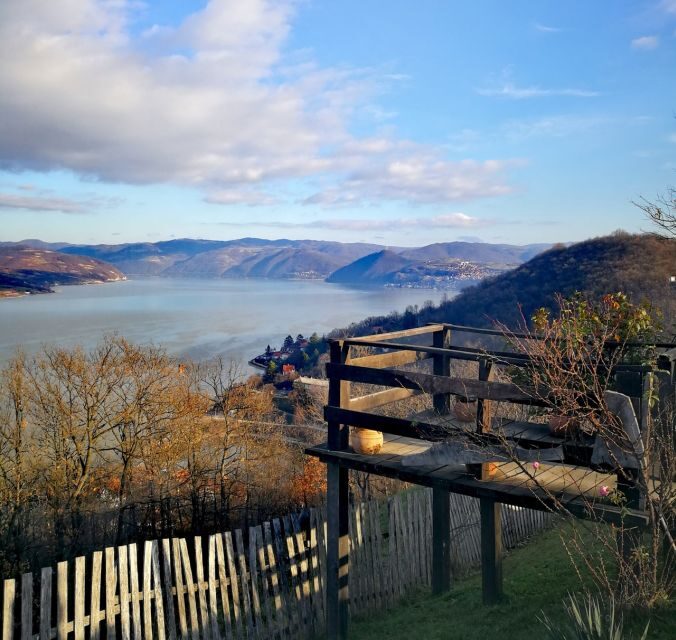
- Danube gorge viewpoints that make the Iron Gates feel real, not just a map name
- Lepenski Vir as Europe’s earliest urban-style settlement, dated around 8,000 years ago
- Golubac Fortress with medieval drama and local legend tied to the river’s control
- Djerdap National Park road-scapes that change as the Danube widens and deepens through the gorge
- A small group (up to 10) plus a live English guide who handles questions in plain terms
From Belgrade to the Iron Gates in one guided day
This is a classic Serbia “drive, stop, walk, learn” route, built for seeing a lot without switching tours every few hours. You’ll start with hotel pickup in Belgrade, then settle into the van for about 105 minutes as you head toward the Danube gorge area in the Braničevo District.
What makes it work for me is the pacing. You get guided time at the big sites, plus short scenic breaks so the day doesn’t feel like a nonstop lecture. It’s also designed for rain or shine, so you’re not banking on perfect weather to get value.
You can also read our reviews of more tours and experiences in Belgrade.


Golubac Fortress: medieval power, river control, and a legend
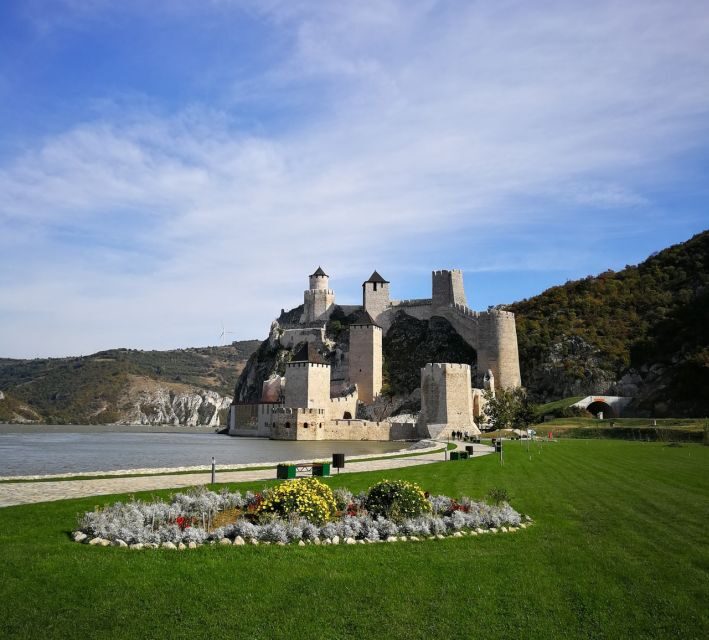
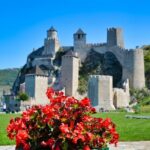
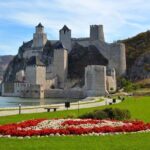
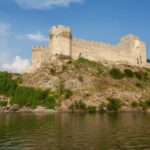
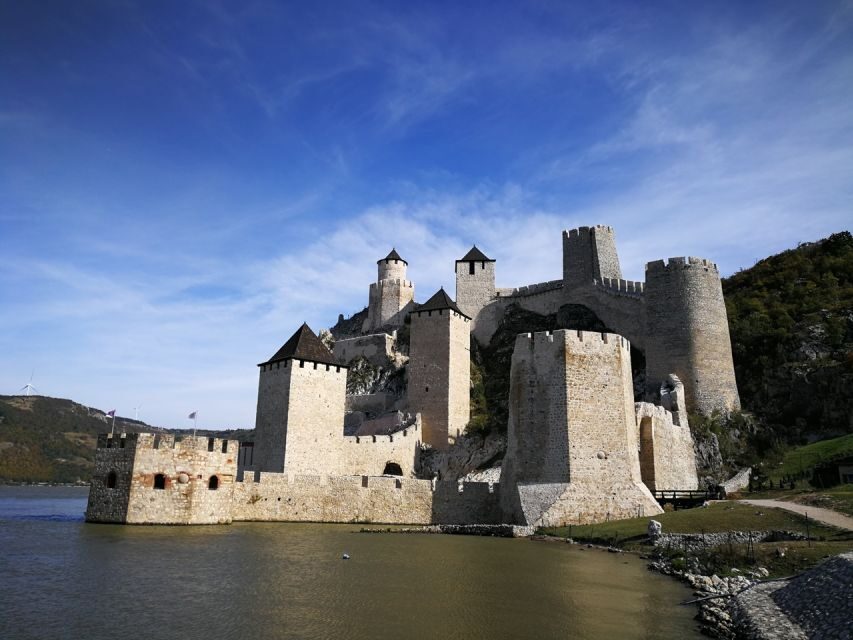
Golubac Fortress is the kind of place where the view does half the explaining. Perched above the Danube, it creates that dramatic “this was built to watch the river” feeling instantly, and the gorge below helps you understand why strongholds mattered here. You’ll have a photo stop first, then about 2 hours with a guided tour.
The fortress visit is more than walls and dates. The story centers on why this place was considered hard to take, and it leans into legend—there’s a romance of sorts tied to a princess and her confinement in the highest tower. Even if legends aren’t your thing, the guide’s job is to connect the myth to the landscape: who could see what, who could pass, and why control of this river mattered.
The one ticket detail you should know
Here’s the practical catch: the visit covers the green zone with a regular ticket. Climbing to the high towers and ramparts is not included with the regular option and is only available on certain days and depending on weather. So if you specifically want those top viewpoints from inside the fortress complex, check the day’s conditions when you join up, and keep your expectations flexible.
Best use of your time there
Bring comfortable shoes, because you’ll walk as part of the guided experience and you’ll want time to linger for river photos. If weather shifts, follow your guide’s direction on where to focus—fortress paths and viewpoints can change the most once clouds roll in.
Djerdap National Park: the Danube as a changing river corridor
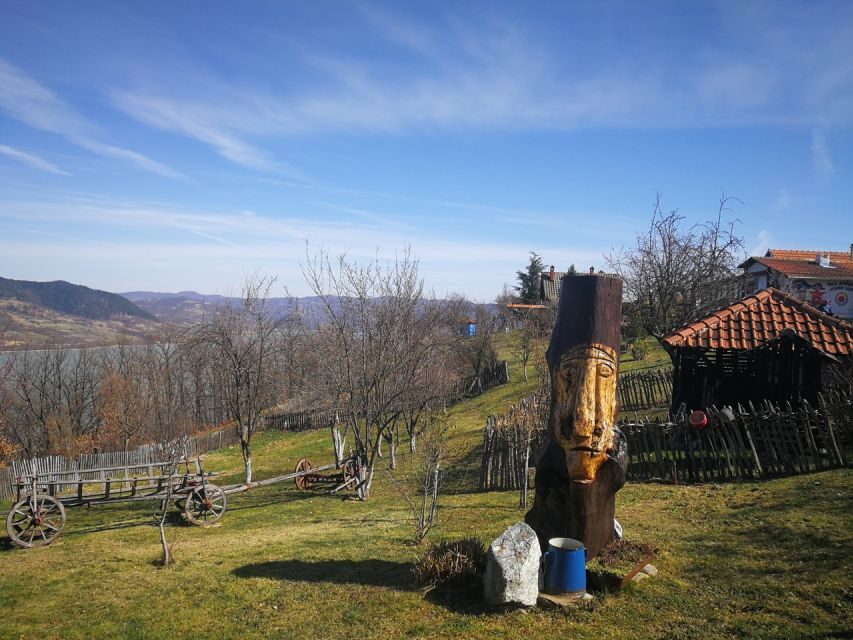
After Golubac, the day moves into Djerdap National Park, Serbia’s largest national park. This is where the tour earns its “Iron Gates” reputation, because you’re traveling through the gorge where the Danube shifts from broader sections to deeper, tighter terrain. Even without hiking for hours, the drive itself becomes the story.
You’ll get scenic drive time and viewpoints along the way, plus a longer break later in the park. The goal isn’t to turn you into a backpacker; it’s to help you see the river’s personality change—wide and open at one moment, constricted and imposing at another.

What to expect from this section
You can expect frequent photo opportunities, plus pauses that let you reset your legs. It’s also a good moment to look back at the fortress area from a different angle when the road gives you openings.
If you’re the type who enjoys geography without turning it into homework, this part is made for you. The guide’s explanations help you connect the gorge scale to what ancient people and medieval powers would have faced every time they moved along the water.
Lepenski Vir: Europe’s oldest urban settlement by the river
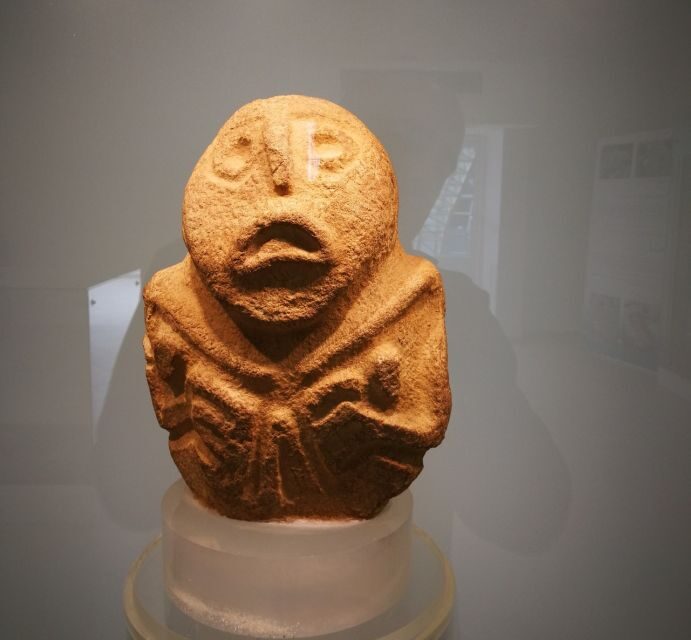
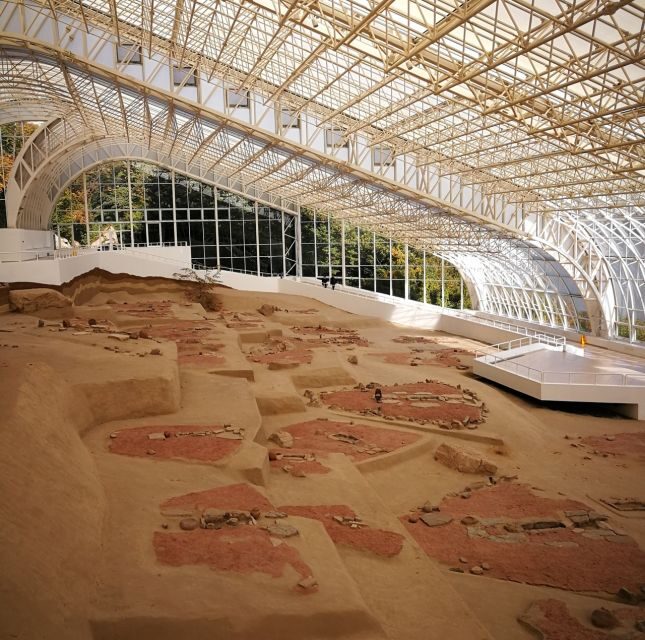
Then you’re onto one of the most fascinating archaeological sites in the region: Lepenski Vir. This is where the tour shifts from scenery to survival and belief, because you’re looking at why people settled here around 8,000 years ago—and what life looked like at the edge of the Danube.
The visit includes guided time and a walk of about 75 minutes. The guide focuses on the settlement’s significance as one of the earliest urban-style communities in Europe, and you’ll also hear about how Neolithic people likely lived, what they looked like (as far as archaeology can suggest), and what kinds of gods they prayed to.
Why this stop hits hard
What I like about Lepenski Vir is that it doesn’t treat “old” as a vague label. You’re not just seeing artifacts; you’re being shown how the river shaped daily routines and spiritual life. When you stand in the site area while the Danube runs in your mind as a constant, the explanations feel practical instead of abstract.
Walking and pacing tips
Wear shoes with grip. Even when it’s not a long hike, you’ll want stable footing for the archaeological walk. Also, if you’re visiting on a rainy day, be ready for slippery ground around the site edges.
Kapetan Mišin Breg: a human-scale stop inside the gorge
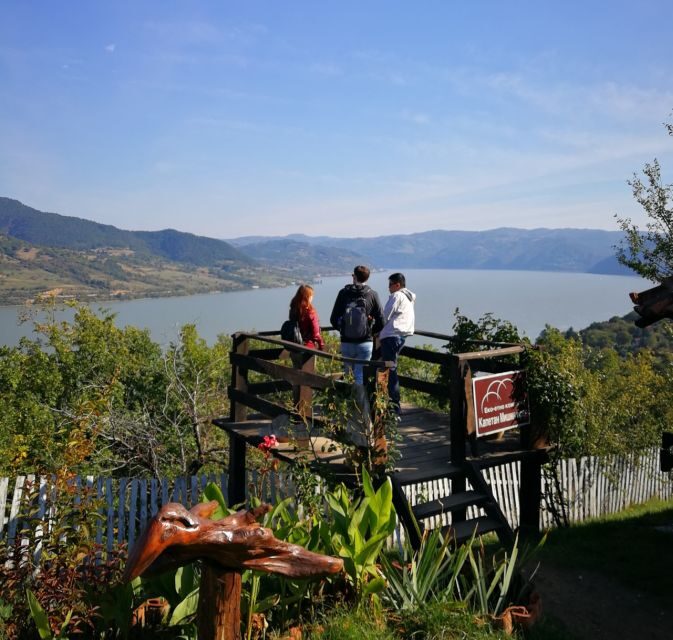
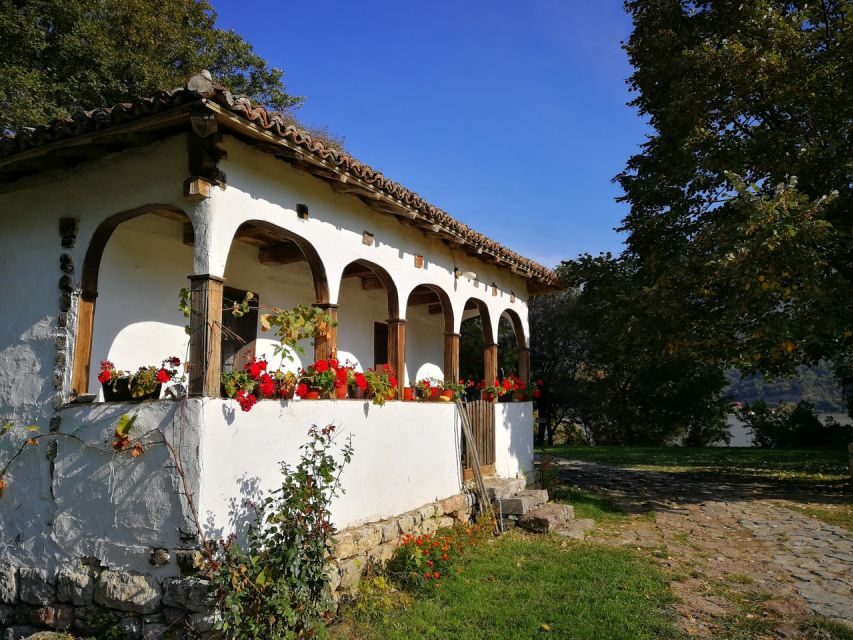
This is the part of the day that slows down a bit, and it adds texture. Kapetan Mišin Breg is visited with a mix of guided tour, sightseeing, and free time, plus a walk that runs about an hour. It’s a chance to step back from fortress-and-site extremes and focus on a more everyday, household-level perspective.
There’s a break built in for photos and the guided introduction, so it doesn’t feel like another sprint between major points. The setting also helps you process the gorge after seeing it from earlier viewpoints.
Winter note
In winter, from November through April, Kapetan Mišin Breg is not open due to weather conditions. So on colder months you’ll miss this household stop, and the rest of the day will carry more of the weight.
The van ride is part of the product, not wasted time
One overlooked benefit of this tour format is that the transportation isn’t treated as dead time. With scenic drive segments and timed stops, you’re constantly getting a reason to look out the window. You’ll also have stretches like a shorter van transfer and then a longer return drive back to Belgrade of about 105 minutes.
The end result is a full day with a clean rhythm: guided history where it matters, viewing time where it counts, and breaks to keep you comfortable.
What you pay ($128) and what you get for it
At $128 per person for a 10-hour tour, you’re paying for a lot more than a ticket to one attraction. This price includes:
- Hotel pickup and drop-off in Belgrade
- A professional, live English guide
- Entry tickets to Golubac (regular ticket), Lepenski Vir, and Djerdap National Park
- Transportation by van
Food and drinks are not included, which is a normal but important note. Plan on budgeting for water and snacks, especially if you get caught in longer scenic breaks or you want an extra coffee stop.
Value check
If you tried to do this yourself, you’d have to solve transport and entry planning across multiple locations far from the city. Here, the structure does the heavy lifting, and the guide’s job turns the stops into connected meaning—fortress to archaeology to gorge geography—rather than three unrelated checkmarks.
Who this tour suits best
This is a great match if you want:
- guided context for history and geography
- big-name Serbia sights in one day without complex logistics
- a small group experience with room to ask questions (the group size is limited to 10 participants)
It’s also a good choice for people who want an outdoor-feeling day without long, strenuous hiking. You do walk at the sites, but the walking is built into timed guided visits, not left to luck.
If you’re the type who hates being on a schedule, you might find the day full. But if you like having stops planned for you—especially when you’re limited to one day—this tour fits well.
Practical tips so your day feels smooth
Bring comfortable shoes. You’ll do walks at Golubac’s accessible areas, at Lepenski Vir, and for about an hour at Kapetan Mišin Breg (when open).
Dress for weather because the tour runs rain or shine. Even if you don’t get top access to fortress ramparts, the lower areas and viewpoints still give you plenty to photograph.
Finally, keep your camera ready for the Danube moments. The gorge viewpoints aren’t a single overlook—they’re repeated angles throughout the day, so it’s worth shooting bursts when you feel the light change.
Should you book Iron Gate Tour: Golubac Fortress, Lepenski Vir + Djerdap?
I’d book it if you want one organized day that connects three big themes: river geography, medieval power, and deep-time human settlement. The biggest reason is how the stops work together—Golubac helps you read the Danube as a strategic corridor, Djerdap shows the river’s physical behavior through the gorge, and Lepenski Vir gives you a human story that’s thousands of years older than the fortress.
Skip it or go in with flexible expectations if tower/rampart access is a top priority for you, since the regular ticket doesn’t guarantee those higher climbs. Also, if you’re traveling in Nov–Apr, know Kapetan Mišin Breg won’t be open.
FAQ
How long is the Iron Gate Tour?
The tour runs for 10 hours from Belgrade pickup to return.
Where does the tour start and end?
It includes hotel pickup and drop-off in Belgrade, with the tour returning to Belgrade at the end.
Is food included in the price?
No. Food and drinks aren’t included, so plan to bring or buy water and snacks during breaks.
Is the tour available in bad weather?
Yes. The tour runs rain or shine.
Do I get access to the high towers and ramparts at Golubac Fortress?
Not necessarily. The regular ticket covers the green zone, and access to the high towers and ramparts is available only on certain days and depends on weather conditions.
Is Kapetan Mišin Breg included year-round?
No. From November to April, Kapetan Mišin Breg is not open due to weather conditions, so it won’t be visited on the tour in that season.