REVIEW · BELGRADE
Small Group Balkans Tour; Belgrade to Athens or Corfu in 14 Days
Book on Viator →Operated by Choose Balkans · Bookable on Viator
Seven countries, one Balkan rhythm. This small-group road trip strings together fortresses, war-history stops, and UNESCO cities from Belgrade to Athens or Corfu. I especially like the small group size (max 10) and the UNESCO-heavy route that keeps the days packed with real places, not just quick photo stops.
I also appreciate the mix of famous sights and food culture that you actually get hands-on, like the farm lunch options at Mrizi i Zanave and the guided breakfast-and-coffee style morning in Tirana. The main drawback to plan for is simple: this is a busy 14 days with long drives and uneven walking days, so if you want slow travel with lots of downtime, this schedule may feel intense.
In This Review
- Key highlights worth caring about
- Belgrade Fortress and Kalemegdan: Starting with real city views
- Sarajevo and Mostar: War scars, Ottoman streets, and Stari Most
- Kotor and Budva: UNESCO lanes plus a taste of the Adriatic feel
- Shkoder and Rozafa: Albania’s long history, plus Venetian influence
- Slow food at Mrizi i Zanave: A farm visit that feels like a real local day
- Kosovo in Prizren, Gjakova, Decan, and Rahovec: Mosques, bazaars, monasteries
- Kruja and Tirana: Resistance past and a food-first capital
- Ohrid and St Naum: North Macedonia’s UNESCO calm
- Berat and Gjirokastër: Two UNESCO towns and the charm of living inside walls
- Ioannina and Meteora: Greek old towns and sunsets from stone towers
- Athens, or Corfu via Igoumenitsa ferry: Two ways to end
- Price and what you’re really paying for (and what’s extra)
- Who this tour suits best (and who should think twice)
- Should you book this Belgrade to Athens/Corfu 14-day tour?
- FAQ
- How long is the tour?
- Where does the tour start, and what is the pickup like?
- Is it a small group tour?
- What does the price include?
- Are meals like lunch and dinner included?
- Are there any admission tickets included for attractions?
- What happens if schedules change due to weather or closures?
- Do I need my own travel/health insurance?
- What should I do about walking and terrain?
Key highlights worth caring about
- Small group, big access: max 10 travelers means you’re closer to your guide during tight old-town walks.
- War history taught on the street: Sarajevo’s bullet holes/cannon marks and the Latin Bridge story connect the big events to specific corners.
- UNESCO bridges and old stones: Stari Most in Mostar, Kotor’s maze-like lanes, and Ohrid’s religious landmarks are all built for walking.
- Food stops with a purpose: agrotourism at Mrizi i Zanave and a Tirana culinary circuit focused on locals, not only souvenirs.
- Monasteries on a timetable: Naum, Decan, and Meteora are the kind of sites you remember because you go beyond the postcard view.
- Flexible ending: drop-off in Athens, or ferry to Corfu from Igoumenitsa with ferry tickets included.
Belgrade Fortress and Kalemegdan: Starting with real city views
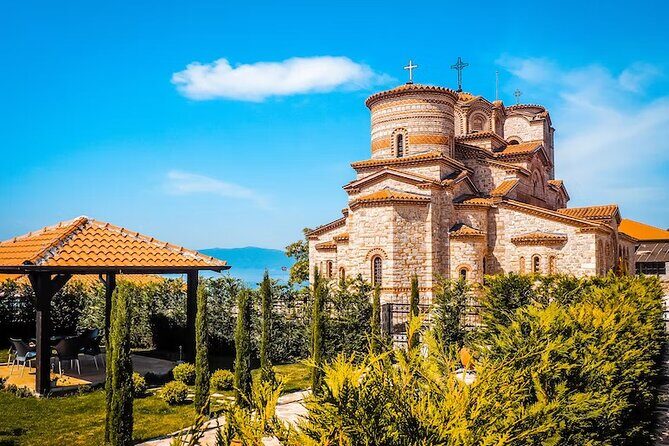
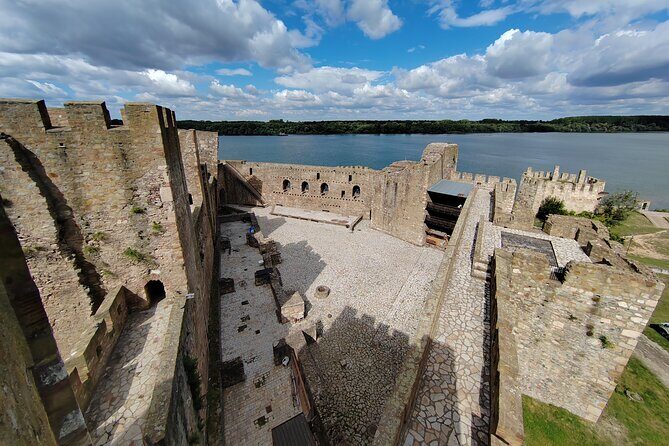
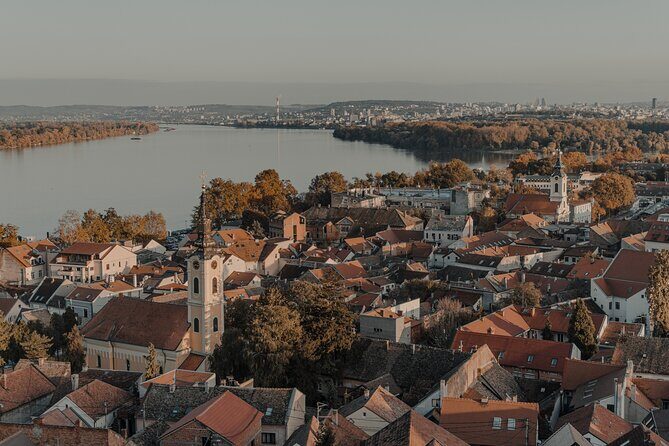
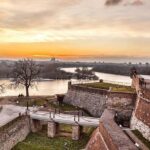
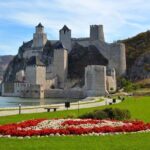
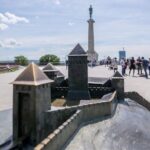
Belgrade kicks things off the right way: a hotel pickup, then straight to the Belgrade Fortress and Kalemegdan Park on the rivers Sava and Danube. This is one of those mornings where you quickly understand why the Balkans gets under your skin—because the geography is obvious. From the fortress viewpoints, the city looks like it has layers, not just neighborhoods.
On the walk, you’ll hit the Upper Town and see the Pobednik monument (dating back to 1913), then move through Knez Mihailova—Belgrade’s longtime social center—toward Republic Square. It’s an easy first-day rhythm: mix a viewpoint, then stroll the streets while your guide sets the context for the rest of the trip.
Practical note: wear shoes you trust. Old-town paths here are easy compared with later days, but you’ll still be walking more than you think, especially once you factor in photo stops.
You can also read our reviews of more tours and experiences in Belgrade.

Sarajevo and Mostar: War scars, Ottoman streets, and Stari Most
Sarajevo is the day where history stops being abstract. Your route includes uneven terrain and ruins you can still read in the form of bullet holes and cannon marks. The tour also connects Sarajevo’s origins—medieval Bosnian Kingdom—and the Ottoman and Austria-Hungarian parts of the city.
If you like the details, this is where your guide can do a lot of work for you. You’ll see markets/bazaars plus places of worship from different communities, and it helps explain why Sarajevo feels like an intersection rather than a single identity.
Latin Bridge is another key stop, tied directly to the story of how WWI was triggered in Sarajevo. And then Mostar takes over the visual energy. Stari Most (Old Bridge) is UNESCO and was built in the 16th century in a distinctly Ottoman-style architectural language. You don’t just look at it—you walk through the old city’s narrowed lanes and the Old Bazaar with its layered atmosphere.
One more Mostar touch I’d call out: you’ll notice memorial stones around the town with the message Don’t Forget. That kind of small detail sticks, because it’s a reminder that the present is still managing the past.
Watch-out: Sarajevo involves uneven walking and ruins. If your ankles are unhappy with uneven cobbles, plan for slower steps and comfortable footwear.
Kotor and Budva: UNESCO lanes plus a taste of the Adriatic feel
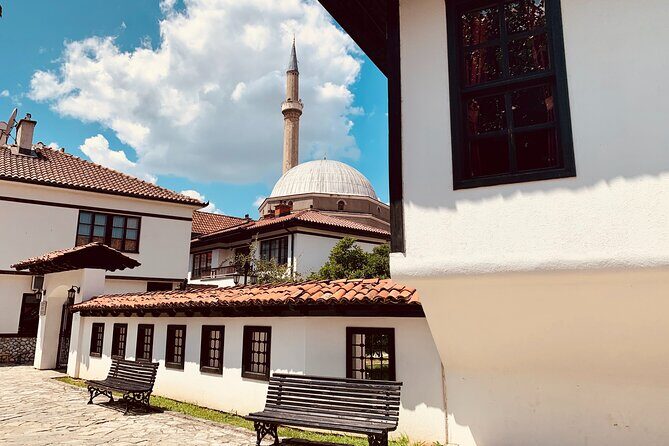
From Bosnia, the trip slides into Montenegro with a stop in Kotor, a UNESCO world heritage site known for its tight, maze-like old streets. It can feel chaotic at first, but the plan is part of the story: the layout was designed to confuse intruders. You’ll also visit Saint Luke’s Church, which matters to locals as a sign of unity.
You get time to explore on your own afterward, which I love on tours like this. It’s the moment to slow down—sit for a drink, poke into side streets, and let the place settle in.
Then you move to Budva, split into Old Budva and New Budva. The contrast is useful. Old Budva gives you medieval-style streets and churches like St. Ivan and the small church of St. Mary, while New Budva feels more modern and commercial.
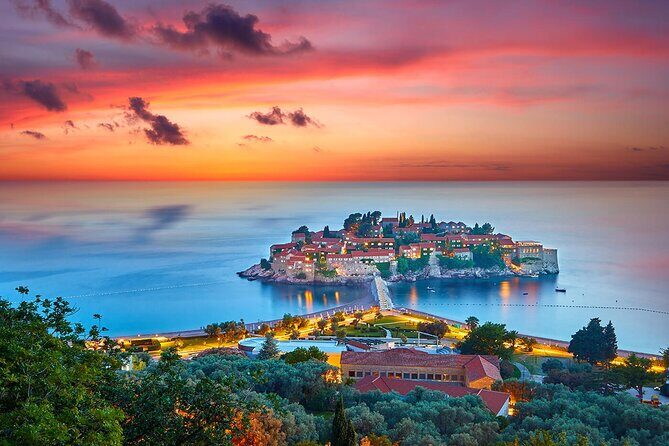
On the way toward Albania, there’s also a viewpoint stop near Sveti Stefan. You can’t visit the island resort anymore (it’s now an exclusive residential setup), but the coastline view still earns its place. You’ll get a photo moment and a quick reset before the border day.
Practical note: Kotor-style old towns reward slow wandering. If you’re the type who likes to be “done” with sightseeing quickly, you may find yourself wanting more time here than you get.
Shkoder and Rozafa: Albania’s long history, plus Venetian influence
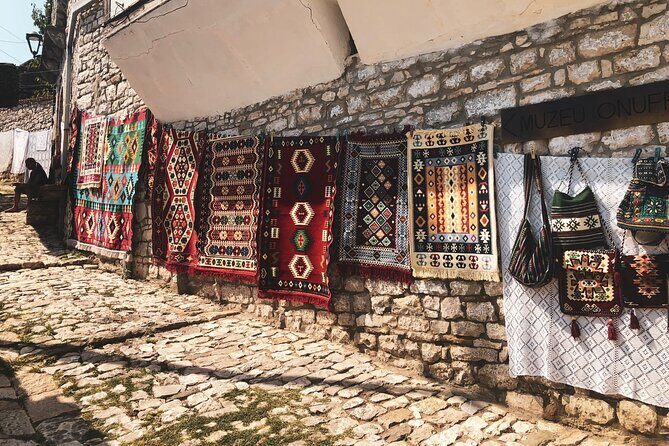
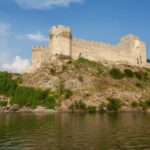
Albania’s first big stop in this route is Shkoder, in the northwest, with a history stretching back thousands of years. Your visit centers on Rozafa Castle, which gives tremendous scenery over the lake and the rivers meeting in the Adriatic Sea.
What I like about this stop is how it layers cultures. You’ll notice Venetian influence in architecture, and you’ll also hear about something surprisingly practical: many Venetian masks are made in Shkoder, and they’re handmade. That kind of detail turns a castle visit into a cultural connection you can carry forward.
There’s also free time built in, and that’s valuable here. Shkoder can be a “look-and-process” town—something to absorb rather than rush.
Slow food at Mrizi i Zanave: A farm visit that feels like a real local day

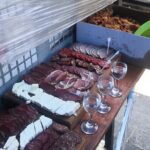
One of the best-value breaks on the entire journey is Mrizi i Zanave (Restorant Agroturizëm). This isn’t a quick roadside stop. You tour the farm, learn the story of how it created jobs for more than 400 people in the surrounding area, and see how the family business collects, processes, and preserves regional bio products.
You also get a glimpse of how older communist buildings were adapted for storage. It’s the kind of information that explains a lot about the region’s post-communist transition: not with slogans, but with food production and practical reuse.
You’ll have free time for a traditional lunch or to buy fresh produce. Even if you skip the purchase, watching how the system works makes the lunch more meaningful.
If you care about food: this is the stop that makes the rest of the trip’s meals feel more understandable, not just convenient.

Kosovo in Prizren, Gjakova, Decan, and Rahovec: Mosques, bazaars, monasteries
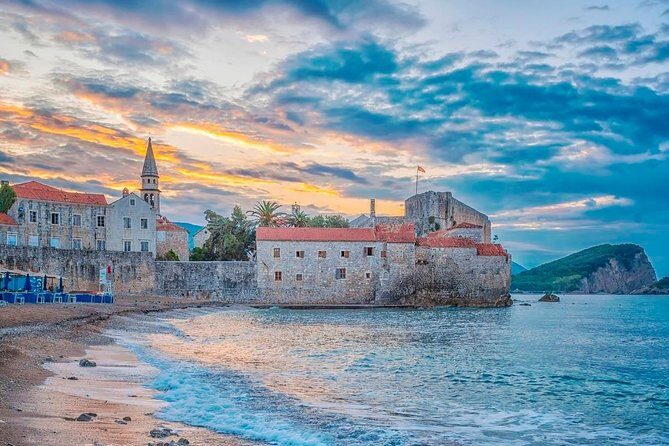
Kosovo’s section is where the route becomes less about big-name icons and more about lived-in cultural variety.
In Prizren, called the cultural capital of Kosovo, you’ll walk with the river running through the old town area and cross bridges that connect neighborhoods. A standout planned visit includes Sinan Pasha Mosque with its arabesque patterns and color. You’ll also go up to Kalaja Fortress for a panoramic view from above the town. If you’re traveling in August, Prizren is known for Dokufest, a short film festival that turns the medieval city into something louder and more international.
In Gjakova, the focus is the bazaar area. The bazaar was destroyed during the first Balkan wars, World War II, and the Kosovo war, but it was rebuilt again. The result is a market you can still use—good for traditional crafts and a relaxed place to eat or browse.
Then you visit Decan monastery, part of UNESCO since 2004 because of its frescoes. You’ll also learn that Orthodox monks still live there and make fresh organic food, including cheeses. That’s a big difference from “museum-only” sites. You’re seeing a monastery that’s still functioning.
Finally, there’s Rahovec Valley, famous for viticulture in the Prizren area. Even if you’re not a wine person, it’s a great change of pace—grape culture with a long history dating back to Illyrian times—and there’s a wine festival in September.
Reality check: if you don’t enjoy churches/monasteries or detailed craft-bazaar time, Kosovo day styles can feel more slow than flashy. But if you like places that show continuity, this part is a highlight.
Kruja and Tirana: Resistance past and a food-first capital
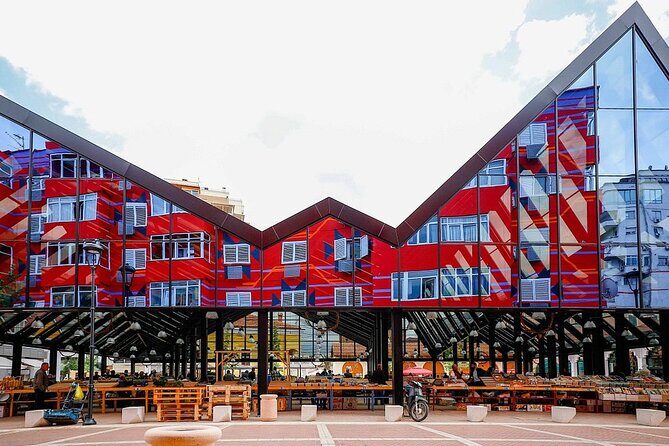
Kruja is Albania’s resistance city symbol. You’ll walk the medieval Old Bazaar with narrow streets and wooden houses, and it gives the feeling of walking through the past rather than just viewing it. It’s also one of the better spots in Albania for souvenirs, including handmade items like carpets and jewelry.
Kruja Castle adds an action-story element. The castle sits high on a rocky hill, and you’ll hear about hidden paths locals used to leave without being noticed when enemies surrounded it. That’s the kind of historical detail that makes the stone feel strategic, not just scenic.
Then you move into Tirana, and the best way I can describe this day is: it’s built around food and neighborhoods. You’ll start with a local companion and a planned morning that includes byrek for breakfast at a smaller place that locals know how to find. You then visit Çam bazaar, connected to the Albanian Çam community, and it’s a shopping chance that you can also turn into a cultural read on how communities carry identity.
There’s also a planned pass through markets and street food rhythms—vegetable and fruit street sellers—and then time for the coffee culture with Albanian coffee at a cozy café.
If shopping is your thing, Pazari i Ri includes the Bicycle bazaar (second-hand clothing and furniture) and more food-focused stops. You’ll try qoftë (meatballs) with freshly baked bread, and for vegetarians there’s Albanian gjizë (cottage cheese) with bread. Raki tasting is included too.
The icing on the day is BUNKART 2. It started as a nuclear bunker designed to shelter Enver Hoxha and party members during the Cold War, hidden from the public until it opened as a museum in 2014. The museum experience is video-based and focuses on both the communist army history and daily life under the regime. It’s heavy subject matter, but it’s one of the most informative stops in Tirana if you want to understand the country beyond surface slogans.
Ohrid and St Naum: North Macedonia’s UNESCO calm
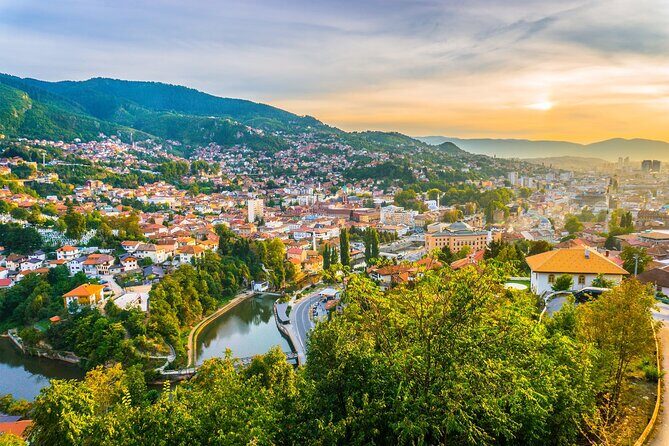
North Macedonia enters with Struga first, where you’ll stop at the Drini River source area for a quick drink. It’s a light start that helps you absorb the transition before you hit Ohrid.
Ohrid is UNESCO world heritage and one of those places that feels made for walking. The tour includes key religious landmarks such as the Church of St. John viewpoint, Church of St. Nicolas, and the Halveti Hayati Tekke mosque. The area’s ancient roots are part of the story, including its place as a center for Orthodox believers during Byzantine times.
Then St Naum monastery closes out the lake area nicely. It sits at the source of the Crni Drim River, right within the Galicica National Park area. The setting is scenic in a practical way: crystal-clear spring water reflecting greenery and mountain peaks is part of why people remember this stop.
If you love a slower pace: this is where you’ll feel the best “breather” between long drive days.
Berat and Gjirokastër: Two UNESCO towns and the charm of living inside walls
Berat is known as the town of 1001 windows and earns that name with its overlapping hillside houses. The old stone streets are narrow, and the windows stacking effect feels almost impossible in photos until you see it in person. You’ll also visit Berat Castle and experience a mix of medieval churches/mosques plus a lively lower town.
There’s a museum stop too: the National Iconographic Museum Onufri, tied to Onufri, a painter known for a reddish color still difficult to imitate. If you like art history, this adds something different from pure architecture.
Then you move to Gorica Bridge and the Gorica neighborhood for more of the castle-to-town connection.
Gjirokastër, also UNESCO, is called the Stone City. It’s fortified in feel, with houses that look like small fortresses, and it’s one of the best-preserved medieval towns in the Balkans. Here, you’ll also pass Gjirokastra Bazaar, where the stone streets cascade down and you can see a wide range of handmade crafts.
One special note: Gjirokastër becomes the capital of Albanian folklore every five years, with ensembles performing music and dances in the stone city. Even if your dates don’t match that event, the route still makes you understand why it matters locally.
Practical note: both Berat and Gjirokastër are stone-and-slope towns. Plan for stairs and uphill walks unless your guide routes you differently each day.
Ioannina and Meteora: Greek old towns and sunsets from stone towers
The Greece portion starts in Ioannina. You’ll walk cobbled streets in the old town, where Byzantine and Ottoman-era remains show up in architecture. You then visit Ioannina Castle, with a labyrinth network of narrow streets and historic buildings inside the walls. Cafés and traditional food appear around you as you move through those lanes, which makes the castle feel like a living place rather than a closed-off exhibit.
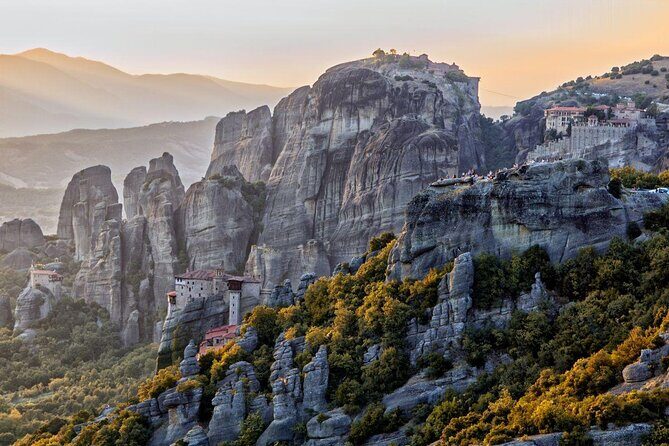
After that comes Meteora, UNESCO and famous for monasteries perched on rock formations. Your visit includes time to appreciate the scene, with time tied to a sunset moment. That sunset angle matters, because Meteora’s rock shapes and monastery lines change character as the light falls. It’s one of the stops that can feel like it belongs in a movie set, even though you’re standing in the real thing.
Watch-out: rock monasteries often mean stairs and uneven surfaces. You’ll feel it in your legs by the end of the day.
Athens, or Corfu via Igoumenitsa ferry: Two ways to end
On the last day, you finish in Athens with hotel drop-off, or you end at Igoumenitsa Port for the ferry to Corfu. Ferry tickets are included for the Corfu option, which is a big practical win. It saves you the guesswork that usually comes with end-of-trip plans—especially when you’ve spent two weeks moving across borders.
If you choose Athens, you still get the feel of finishing in a major hub after smaller historic towns. Corfu feels like the reward ending: after so much architecture and monastery time, the ferry transfer closes the trip in a more relaxed travel mode.
Price and what you’re really paying for (and what’s extra)
At $4,833.96 per person for roughly 14 days, you’re paying for a lot of what normally drives up costs on the Balkans: transport, multi-country coordination, and lodging with breakfast in 3-star hotels.
Here’s what stands out as value:
- Breakfast is included across the nights (13 breakfasts), which removes daily meal planning stress.
- Entry tickets for visited sites and tourist taxes are included.
- Hotel pickup in Belgrade and drop-off at the end (Athens hotel or Igoumenitsa port) are included.
- Ferry tickets to Corfu are included if you pick that ending.
What’s not included is also clear: lunches, dinners, drinks, snacks, and personal spending. So while you’re not paying for every attraction ticket, you’ll still need a daily budget for food outside breakfast.
Also note: accommodation is 3-star, not boutique-luxury. The trade is location and logistics. You’re buying the route and the access, not spa-style comfort.
If you’re the kind of traveler who likes to plan details yourself, you may find it cheaper to piece parts together. But if you want a guided thread through 7 countries, this price tends to make sense—especially because the route includes many scheduled stops and supported transitions.
Who this tour suits best (and who should think twice)
This fits you well if:
- You like walking old towns and seeing UNESCO sites by foot.
- You want war-history context as part of the sightseeing, not just monuments in a vacuum.
- You enjoy food culture stops, including farm-to-table type experiences and local breakfast/coffee moments.
- You want the comfort of being in a group of 10 or fewer with a professional guide handling logistics.
Think twice if:
- You prefer slow travel with lots of free afternoons.
- You hate uneven ground and steep stone streets.
- You get stressed by border days and long road hours.
Should you book this Belgrade to Athens/Corfu 14-day tour?
Book it if you want a guided, structured Balkan sampler that still feels personal. The small group size, the mix of UNESCO sites with on-the-ground history, and the food-forward stops give this route a shape that’s hard to replicate solo without a lot of work.
Skip it if you want light logistics and downtime. This is a “see a lot” itinerary, with many memorable stops but less recovery time than you’d get on a shorter trip.
If you’re deciding between Athens and Corfu, pick Athens for a big-city finish. Choose Corfu if you want the ferry-connected end and a more relaxed travel mood after Meteora and the long road through the Balkans.
FAQ
How long is the tour?
The tour is 14 days (approx.).
Where does the tour start, and what is the pickup like?
It starts in Belgrade, with hotel pickup offered. The start time is 8:00 am.
Is it a small group tour?
Yes. The maximum group size is 10 travelers.
What does the price include?
You get 3-star hotel accommodation with breakfast, a professional tour guide, transport, hotel pickup/drop-off, entry tickets for visited sites, tourist taxes, insurance/road taxes/petrol, and breakfast (13). If you choose Corfu, ferry tickets are included too.
Are meals like lunch and dinner included?
No. Lunches, dinners, drinks, and snacks are not included.
Are there any admission tickets included for attractions?
Yes. Entry tickets for the sites that are visited are included, and the itinerary also lists some specific admissions as included.
What happens if schedules change due to weather or closures?
The schedule or itinerary may be affected or adapted due to weather, acts of God, strikes, bank holidays, site closures, or other external forces outside the company’s control.
Do I need my own travel/health insurance?
Yes. You are responsible for having your own health/travel insurance.
What should I do about walking and terrain?
The tour includes uneven walking terrain and old-town streets with cobbles and steps. Comfortable shoes are a practical must.