REVIEW · BELGRADE
Small Group Tour; Belgrade to Tirana 5 Balkan Countries in 8 Days
Book on Viator →Operated by Choose Balkans · Bookable on Viator
Belgrade starts this trip with river views and big-city energy, then the Balkan story keeps rolling. You’ll move through five countries in a tight schedule that feels more like a guided highlights reel plus a few real, local detours—especially around food and craft.
I like this itinerary for its small-group feel (max 10) and because it’s built around places with strong personality, from Belgrade Fortress to Tirana’s BUNKART. I also like that the tour keeps guiding front and center—you’re not just dropped at monuments; you get context as you go, including the kind of support people rave about from guides like Ana, Juli, and Taulant.
One consideration: it’s active and road-heavy. Expect uneven walking in Sarajevo and plenty of time on the van, so pack snacks, wear good shoes, and plan for a “keep moving” pace.
In This Review
- Key Takeaways: What Makes This 8 Days Belgrade to Tirana Route Special
- Belgrade Fortress to Knez Mihailova: Starting With Views and an Easy Welcome
- Sarajevo on Uneven Streets: War Markings, Old Neighborhoods, and Latin Bridge Context
- Mostar’s Old Bazaar and the Stari Most Feel: UNESCO Sights With Time to Wander
- Kotor and Budva: UNESCO Old Town Logic, Plus Budva’s Two Sides
- Mrizi i Zanave and Shkoder’s Rozafa: Slow-Food Farming Meets Big Panorama Views
- Prizren: Ottoman-Style Mosque Color, Fortress Views, and Market Energy
- Gjakova and Decan: Craft Bazaars, Monastery Frescoes, and Organic Food Life
- Kruja to Tirana: Medieval Resistance, Byrek and Coffee, and BUNKART 2’s Cold War Bunker Feel
- Price and Logistics: Does $2,754.29 Per Person Make Sense for 5 Countries?
- Should You Book This Belgrade to Tirana Balkan Circuit?
- FAQ
- Where does the tour start and end?
- What time does it start?
- How many people are in the group?
- Is pickup included?
- What’s included in the price?
- Are lunch and drinks included?
- Are any major attraction admissions included?
- Is single room occupancy available?
- Is the itinerary active? Do I need comfortable shoes?
- Is the tour refundable if I cancel?
Key Takeaways: What Makes This 8 Days Belgrade to Tirana Route Special
- Small group rhythm: up to 10 people means fewer delays and easier conversations with your guide
- Serious variety in 5 countries: fortresses, UNESCO old towns, Ottoman and Austro-Hungarian areas, plus modern Tirana culture
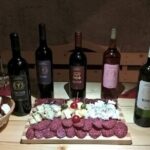
- Food isn’t an afterthought: the slow-food farm experience is a standout, not a side stop
- Kosovo adds depth: Prizren’s mosques and fort views, plus monastery art in Decan
- Tirana ends strong: Byrek, Albanian coffee, New Bazaar lunch, raki tastings, and BUNKART 2
Belgrade Fortress to Knez Mihailova: Starting With Views and an Easy Welcome
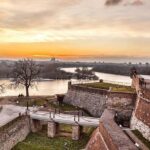
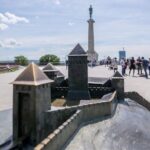
You begin in Belgrade with hotel pickup and a guide who sets the tone right away. The first real “wow” moment is Belgrade Fortress and Kalemegdan Park, right at the confluence of the Sava and Danube. Even if you’ve seen fortresses before, this one helps you get your bearings fast—you immediately understand why the city feels like a gateway between regions.
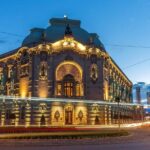
In the Upper Town, the Pobednik monument (dated to 1913) gives you a quick slice of how Belgrade remembers its identity. Then you shift from viewpoints to strolling: Kalemegdan’s paths and trees slow the pace down, and walking Knez Mihailova toward Republic Square gets you into the everyday pulse of the city. It’s an efficient start—big scenery, then city streets.
A practical note: this is mostly legwork on foot after pickup. If you’re coming from a long flight, you’ll still want energy here, because you’re not just sightseeing from a bus window.
You can also read our reviews of more tours and experiences in Belgrade.

Sarajevo on Uneven Streets: War Markings, Old Neighborhoods, and Latin Bridge Context
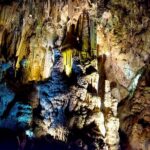
Sarajevo is where the trip gets emotionally heavier, but also more meaningful. The walking is described as on uneven terrain, and you’ll see ruins and reminders from the Yugoslav War—like bullet holes and cannon marks. That kind of detail doesn’t feel like “museum” history; it’s the city living with what happened.
The tour covers stories behind Sarajevo’s origins, including medieval Bosnian Kingdom context, and then the Ottoman and Austro-Hungarian pieces. This matters because Sarajevo isn’t one uniform vibe. You’ll notice the mix through markets, bazaars, and religious architecture—mosques, churches, and synagogues—so the city reads like a crossroads, not a single-note stop.
Then comes Latin Bridge, tied to the story of how WWI was triggered. The bridge’s name links it to the Catholic quarter known as Latinluk, and that small detail turns the stop into a lesson you can carry forward. It also helps break up the intensity of war reminders with a clear timeline anchor.
If you want a smooth day, bring comfortable shoes and a calm mindset. Sarajevo is the kind of place where good guidance changes your experience from sightseeing into understanding.
Mostar’s Old Bazaar and the Stari Most Feel: UNESCO Sights With Time to Wander
After Sarajevo, you’ll spend time in Mostar, where the atmosphere shifts to something more open-air and colorful. The focus is on the old center: the Old Bazaar area with cobbled lanes and an everyday buzz around it. You’ll also find commemorative stones marked with Don’t Forget, so even the “wander” vibe still has an emotional layer.
Mostar is often talked about for its visual identity, but what works best on this route is the balance of guidance plus room to breathe. You get time to explore beyond the highlights, which is key here because Mostar works best when you slow down and get lost in small streets.
You’ll also see how the city blends old and new. That’s not a marketing line—it’s obvious as you move through areas with Turkish bazaars and old mosques while looking at modern additions nearby. The old bridge area is part of that UNESCO atmosphere, and you’ll be positioned to appreciate why it’s such a signature photo stop.
If you’re traveling with a shopping streak, Mostar’s bazaar lanes are ideal. Just keep expectations realistic: souvenirs cost time and money, and this itinerary is short on total shopping hours.
Kotor and Budva: UNESCO Old Town Logic, Plus Budva’s Two Sides
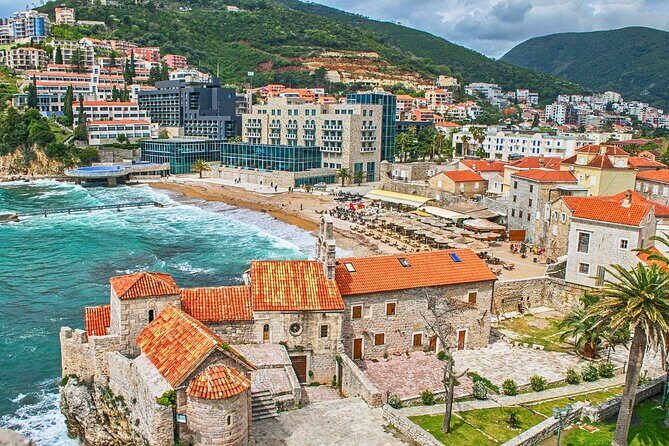
From Bosnia into Montenegro, the first major UNESCO hit is Kotor. Kotor’s old town is described as a maze of narrow cobblestone streets, and the layout actually makes sense: it was shaped to confuse intruders. That makes the walk more interesting than a standard “pretty streets” circuit. You’ll see small plaques on buildings with construction dates and original use, which helps you read the town instead of just passing through it.
You’ll also visit Saint Luke’s church. The tour frames it as important for locals because it represents unity. Even if you’re not religious, that kind of meaning gives the stop weight.
Then the trip continues to Budva, which is split between Old Budva and New Budva. Old Budva is where you’ll focus, including the medieval streets and church stops like St. Ivan church and the small church of St. Mary. New Budva is more modern and commercial, which helps you understand why Budva feels like two different places stitched together.
On the way toward Albania, there’s a quick coastal photo stop near Sveti Stefan. You can’t visit the island resort, but standing on the shore still gives you that iconic sight—perfect for a quick break between bigger days.
This section is good for people who like old towns, but don’t want a full beach holiday. You’re getting history, street walking, and coastal views without committing to a long lounge day.
Mrizi i Zanave and Shkoder’s Rozafa: Slow-Food Farming Meets Big Panorama Views
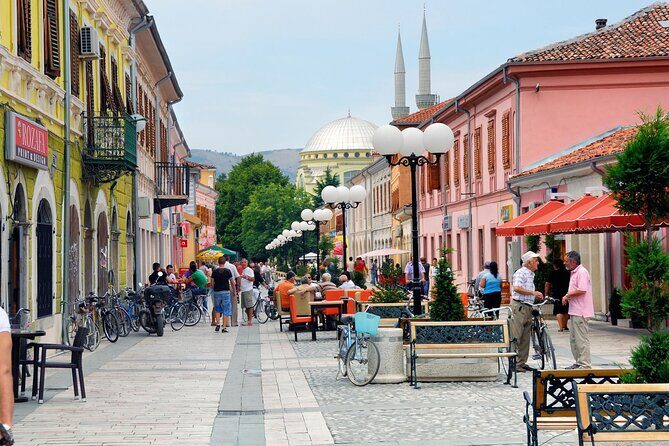
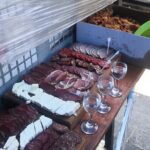
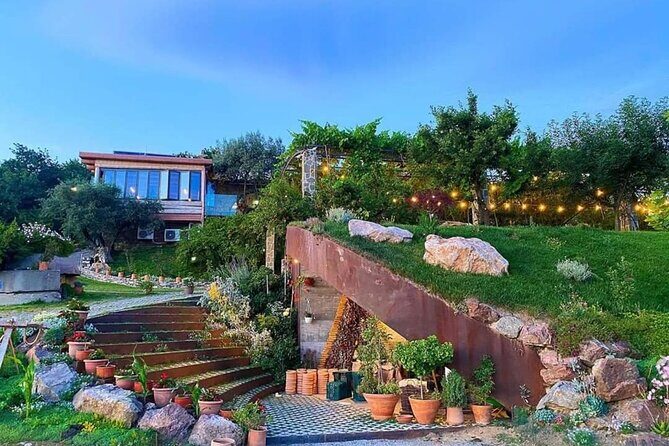
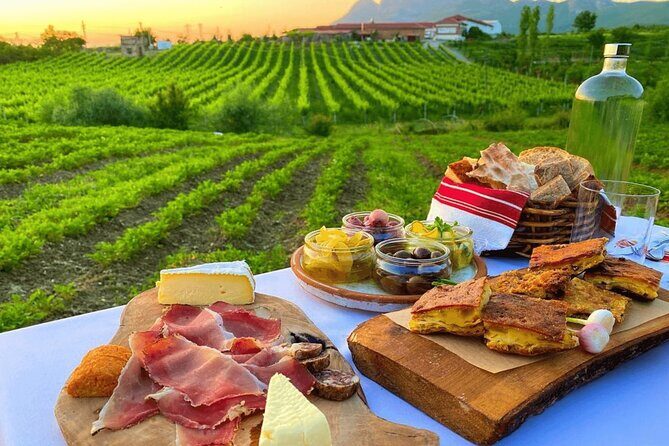
One of the strongest value moments in this tour is the farm visit: Mrizi i Zanave – Restorant Agroturizëm. This isn’t just a tasting. You’ll get a tour around the farm and learn how it preserves regional bio products, and how the business created jobs for more than 400 people in the surrounding area. That jobs angle is a big deal. It’s the difference between “tourist lunch” and something with real local impact.
You’ll also hear how the farm adapted older communist-era buildings for storage for locally made bio products. That kind of detail sticks because it connects food to the region’s working life, not just to recipes.
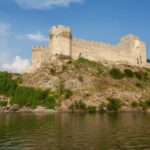
After time at the farm, the day shifts toward Shkoder, Albania. Shkoder is described as one of the oldest Albanian cities with habitation going back through very early eras. The key stop is Rozafa castle with tremendous scenery over the lake and river systems. This is a great place to take in scale—you’ll see the geography that shaped settlement patterns.
If you enjoy food and want at least one day that slows down on purpose, this is your payoff day.

Prizren: Ottoman-Style Mosque Color, Fortress Views, and Market Energy
Kosovo starts to show its personality in Prizren. The tour frames Prizren as the cultural capital of Kosovo, with a mix of tolerance and different cultural influences. You’ll walk around a city shaped by the river cutting through the old town and bridges crossing the flow.
The mosque stop is the Sinan Pasha Mosque, known for arabesque color and pattern. This matters because it’s not just a quick exterior shot. It gives you a reason to look closely at design—shapes, repetition, and how light interacts with ornamentation.
Then you’ll head up to Kalaja Fortress for a panorama view. Fortress views are always good, but what makes this one useful is timing: it helps you “read” the city layout from above after you’ve already walked parts of the old center.
Prizren also gets a mention for festivals like Dokufest in August, plus the city’s lively atmosphere around bridges and streets. Even if your dates don’t align with a festival, the basic structure of the town still gives you enough energy to feel the international side.
If you like your travel days to include both architecture and views, Prizren is a solid middle-of-the-trip anchor.
Gjakova and Decan: Craft Bazaars, Monastery Frescoes, and Organic Food Life
After Prizren, you move to Gjakova, where the highlight is the bazaar. It’s described as the oldest and largest bazaar in Kosovo, and it was rebuilt after major destruction through wars. That context changes the stop: you’re seeing more than shopping lanes. You’re seeing recovery and continuity.
Gjakova is a good place to pause and eat something local, and also to browse for handmade crafts and traditional items from local artisans. If you like browsing markets but hate when everything feels mass-produced, this is where you might find better variety.
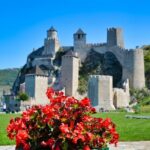
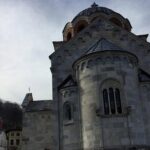
Then comes Decan, with the monastery of Decan. It’s famous here for its white color and for the fact that Orthodox monks still inhabit it and make fresh organic food such as cheeses. The tour also points out why it’s UNESCO-listed since 2004: frescoes showing 14th-century life and the Palaeologan renaissance that changed Byzantine painting.
This is the kind of stop that rewards slower looking. If you tend to sprint through museums, give yourself extra time here, even if your official stop is limited—turn your attention toward the art descriptions you’re given.
Finally, Rahovec Valley enters as the viticulture side of Kosovo. The evidence for grape cultivation here goes back thousands of years, and the vineyards sit at altitude for quality. There’s even an annual wine festival in September. If wine is your hobby, you’ll likely leave with a reason to return.
Kruja to Tirana: Medieval Resistance, Byrek and Coffee, and BUNKART 2’s Cold War Bunker Feel
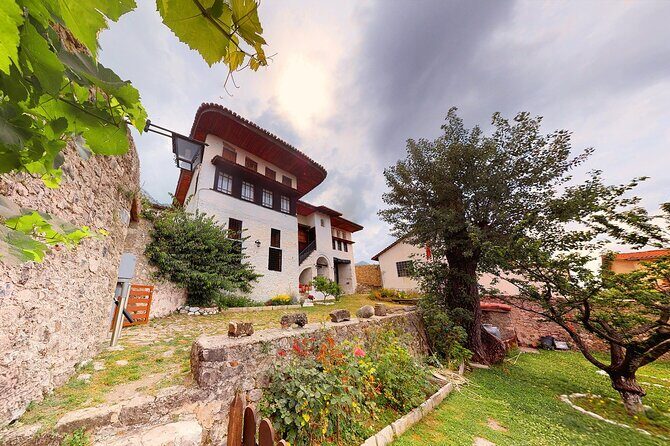
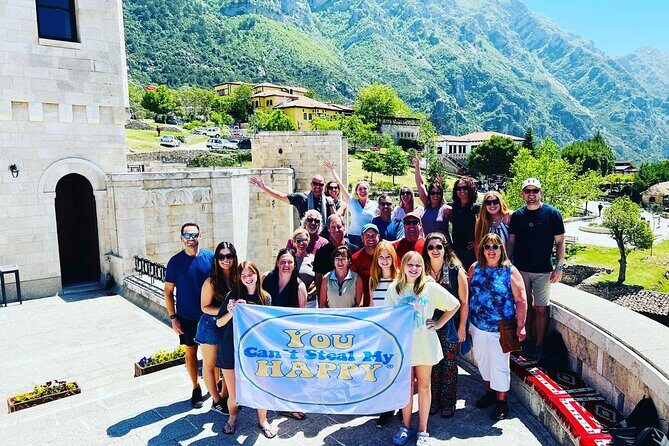
Your last big day in Albania begins in Kruja, a city tied to Albanian resistance against Ottoman expansion in the 15th century. Kruja sits on mountainous terrain above sea level, and that height shows in the layout when you’re walking around.
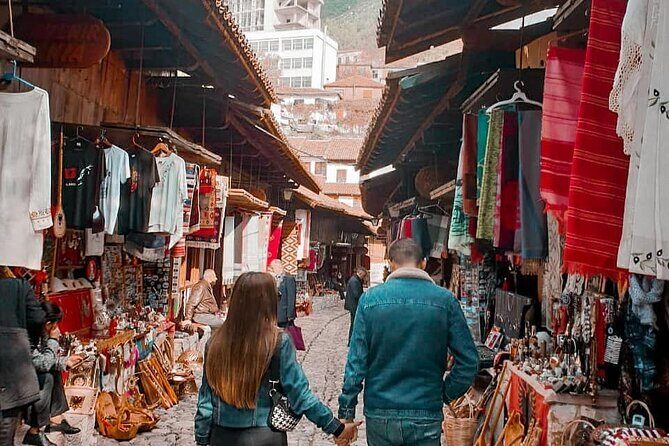
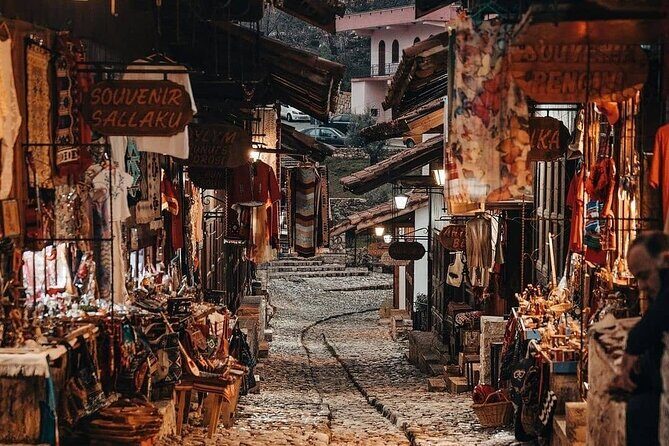
The medieval Old Bazaar in Kruja is a highlight for shopping and atmosphere. It’s described as one of the biggest and oldest bazaars in the Balkans, with wooden houses and narrow streets. You can pick up souvenirs, including handmade items like carpets and jewelry.
The castle of Kruja is on top of a rocky hill, built to be hard to attack. The tour includes a walk through some hidden paths used by locals to leave the castle without being noticed during times of siege. That’s a great example of storytelling that makes a site feel alive, not staged.
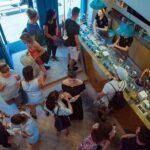
After that, you shift to Tirana, and the day becomes food-and-city focused. You meet a local companion and get a culinary experience that avoids tourist traps. The stops include byrek for breakfast—dough with fillings like cheese, meat, or spinach.
You’ll also spend time around Tregu Çam, associated with the Çam community, with bargaining for goods like clothes and kitchen equipment. Then there’s a Tirana neighborhood walk with street markets, hawkers selling fresh produce, and a coffee culture stop where you’ll taste traditional Albanian coffee.
Dinner-ish energy continues at Pazari i Ri with the “bicycle bazaar” selling second hand items, then a New Bazaar lunch of Qofte (meatballs) grilled and paired with bread. Vegetarians get Albanian Gjize (cottage cheese) with bread. You’ll also taste Albanian raki.
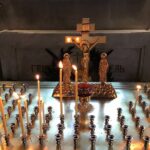
To finish, there’s BUNKART 2, a museum created from a nuclear bunker built to shelter Enver Hoxha and his party. The bunker was hidden to the public until 2014, then converted into a video museum about Albania’s communist army and daily life during the regime. It’s a sobering end note that matches the region’s layered 20th-century story.
Price and Logistics: Does $2,754.29 Per Person Make Sense for 5 Countries?
Let’s talk value like adults.
At about $2,754.29 per person for roughly eight days, you’re paying for a full package: BB accommodation and breakfast on all overnights, a professional tour guide, company transport, and entry tickets for the visited sites. You’re also covered for hotel pickup and drop-off in Tirana, plus tourist and road taxes and petrol. In practice, that reduces surprise costs and keeps your time focused on sightseeing.
The big “value win” is the balance of inclusion. You’re not just driving past places. You’re getting timed stops, guidance, and in a few cases admission included—like Sinan Pasha Mosque and Kalaja Fortress in Kosovo, Kruja Castle in Albania, and BUNKART 2 in Tirana. Many other site stops are listed as free admission, which helps keep the day-to-day budget manageable.
The main cost tradeoff is your time on the road. This is not a slow travel itinerary. If you prefer lots of free afternoons, this won’t match your style.
Also check your room plan: single room occupancy is possible, but it comes with an extra 30 euros per night per person. If you’re okay sharing a twin/double, the published price looks much easier to swallow.
Should You Book This Belgrade to Tirana Balkan Circuit?
Book it if you want a well-supported small-group circuit through major Balkan highlights, with a strong emphasis on food and storytelling. You’ll likely enjoy it most if you like walking old towns, taking in viewpoints from fortresses, and learning how different empires and communities left marks across the region.
Skip it or consider something slower if you hate driving days, get tired on uneven terrain, or want more downtime. This route is active. It’s built for people who enjoy motion.
If you do book, do this to get more out of it:
- pack shoes you can handle on uneven streets (Sarajevo is specifically called out)
- bring water/snacks for van time since lunch/drinks aren’t included
- plan light shopping goals so you don’t lose too many hours to bazaars
FAQ
Where does the tour start and end?
It starts in Belgrade, Serbia, and ends in Tirana, Albania, with hotel drop-off in Tirana.
What time does it start?
Start time is listed as 8:00 am.
How many people are in the group?
The tour is limited to a maximum of 10 travelers.
Is pickup included?
Yes. Hotel pickup is offered in Belgrade, and there is also hotel pick-up/drop-off in the Tirana end portion.
What’s included in the price?
Included items are BB accommodation and breakfast for all overnights, a professional tour guide, transport provided by the company, entry tickets for visited sites, and tourist/road taxes and petrol. Breakfast is listed as 7 breakfasts.
Are lunch and drinks included?
No. Lunch, drinks, and snacks are not included.
Are any major attraction admissions included?
Yes. Admission is included for Sinan Pasha Mosque and Kalaja Fortress (Kosovo), Kruja Castle (Albania), and BUNKART 2 (Tirana). Other listed site stops are marked as free.
Is single room occupancy available?
Yes, single room occupancy is possible with an extra 30 euros per night per person.
Is the itinerary active? Do I need comfortable shoes?
You should be ready for walking on uneven terrain during the Sarajevo portion of the tour.
Is the tour refundable if I cancel?
No. This experience is non-refundable and cannot be changed for any reason.