REVIEW · BELGRADE
Belgrade E-Bike Tour: Power Glide!
Book on Viator →Operated by Belgrade E-bikes Tours (+ Boat Tours) · Bookable on Viator
Belgrade gets easier on electric wheels. This 2–3 hour small-group ride uses e-bikes so you don’t burn out while still seeing major sights.
I love that the stops are packed with real city meaning, from Serbia’s political core to big Orthodox landmarks, without turning the day into a full-on hike. The guided format also helps you connect the dots as you glide between neighborhoods.
I also like that you can choose from two tour times, so you can match it to your energy and weather. One thing to consider: not every bike experience is identical, so I’d make sure you get clear instructions on gears and basic handling before you roll, especially if it’s a warm day.
In This Review
- Key things to know before you ride
- Why an e-bike works so well for Belgrade
- The bikes, helmets, and the start at Obilićev venac
- The route rhythm: short stops, then roll again
- House of the National Assembly: a fast intro to modern Serbia
- St. Mark Orthodox Church and Tasmajdan Park: faith plus a breather
- Trg Slavija: the square you can read like a map
- St. Sava: seeing one of the world’s biggest Orthodox churches
- Red Star and Partizan stadiums: optional fandom time
- Tito Mausoleum and the Museum of Yugoslav History: socialist-era gravity
- Residence of Prince Miloš: Ottoman-era resistance stories
- Topcider Park: a royal pause in the oldest royal park
- Floating rafts and river entertainment: when Belgrade relaxes
- Nebojsa Tower: legends you can actually picture
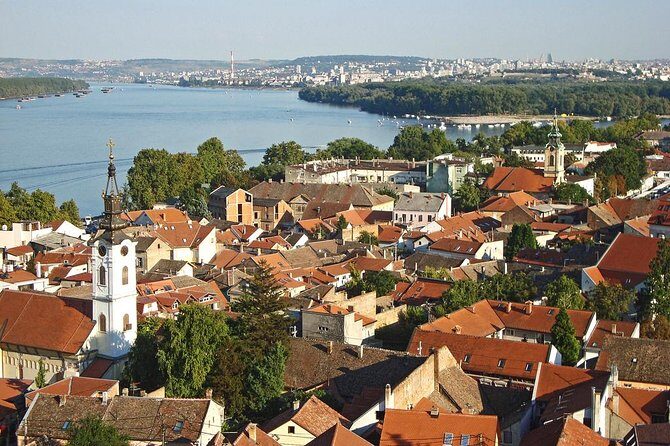
- Kalemegdan Park and Belgrade Fortress: the big viewpoint payoff
- Pedestrian zone and Trg Republike: where the day turns social
- Price and value: $35.07 for a lot of moving history
- Guides, pace, and what to ask for during the ride
- Who should book Power Glide (and who might not love it)
- Should you book this Belgrade e-bike tour?
- FAQ
- How long is the Belgrade E-Bike Tour?
- What does the tour cost?
- Is the tour offered in English?
- How many people are in the group?
- What’s included in the price?
- Are admission tickets included?
- Where does the tour start and end?
- Are there different departure times?
- What happens if the weather is poor or if I cancel?
Key things to know before you ride
- Electric effort, less fatigue: You’ll cover more ground than walking, especially in sticky summer heat.
- Small group pace: Up to 11 people means you’re not lost in the crowd.
- Big sights with short stops: Expect quick looks where timing matters, like St. Mark’s and St. Sava.
- Some entries cost extra: Parliament and a couple museum stops are not included, even though many other stops are free.
- Stadium stops can be request-based: If you care about Red Star or Partizan, ask during the tour flow.
- Boat-restaurant river moments: You’ll get a riverside break with floating-raft dining atmosphere.
Why an e-bike works so well for Belgrade
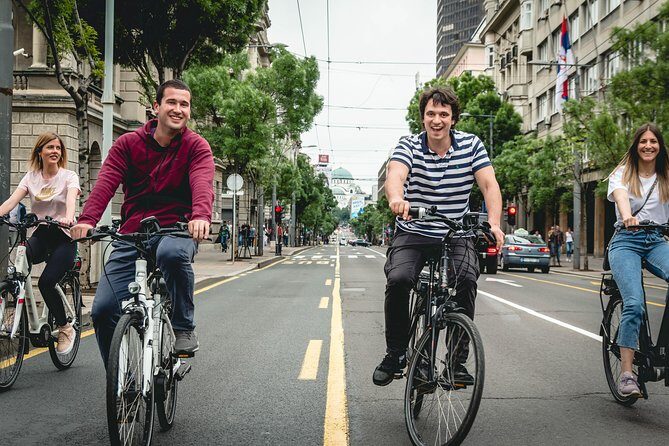
Belgrade is a city of contrasts: grand churches, fortress walls, river life, and wide city squares all in the same day. On foot, you can do it, but you’ll spend a lot of energy just moving between viewpoints. With an e-bike, you keep your legs for the moments that matter, like standing still to take photos at Kalemegdan or slowing down near the fortress.
The other advantage is focus. When you’re not fighting every hill, you’re better at listening. And on this tour, the guide’s narration is a big part of the value, with themes that jump from empire-era stories to socialist-era landmarks, and then back to today’s Belgrade streets.
You can also read our reviews of more cycling tours in Belgrade
The bikes, helmets, and the start at Obilićev venac
You meet at Obilićev venac 6, Beograd 11000 and the tour returns there when you’re done. Bikes and helmets are included, so you can travel light. The ride is offered in English, and the group stays small (maximum 11).
Before you set off, do yourself a favor: take 2 minutes to get comfortable with the controls. One practical reason: a few riders have mentioned bike issues and gear confusion on similar outings, and that’s exactly the stuff you can prevent early. Ask the guide to explain how the bike changes pace, how to start smoothly, and what to do if a bike cuts out or feels off. It makes the whole tour calmer.
The route rhythm: short stops, then roll again
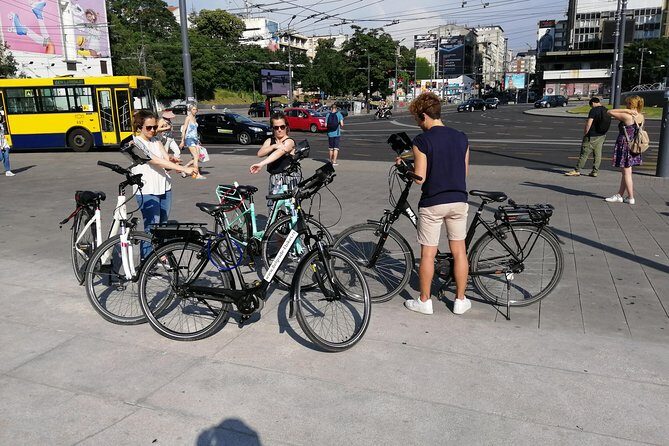
This is a “see a lot” tour, not a sit-and-stretch museum day. Many stops are brief, often around 5–10 minutes, with a bit longer time at major religious and fortress areas. That means you’ll feel movement throughout the experience, and you’ll keep earning context as you go.
If you’re a photo person, plan for quick snapshots rather than slow wandering at every stop. The good news: the ride itself gives you steady “wheels-to-views” timing, so you’re not stuck in one place too long.
House of the National Assembly: a fast intro to modern Serbia
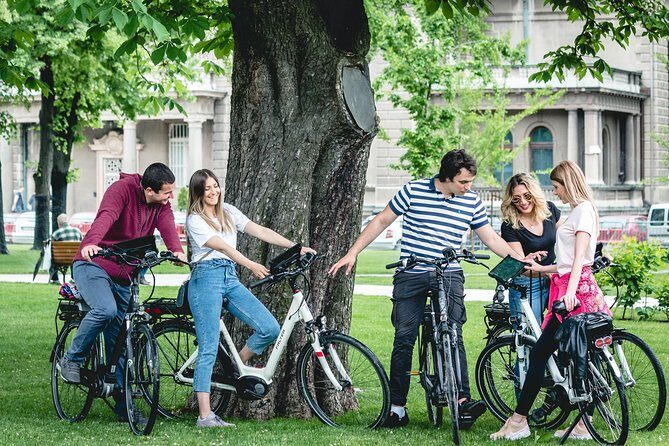
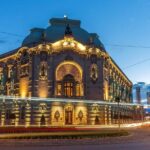
You begin at the House of the National Assembly of the Republic of Serbia. You’ll watch an interesting presentation about how the building was created and what it represents. The stop is short (around 10 minutes), but it gives you a starting point: this is a city where politics and identity are tightly linked.
Admission isn’t included here, so if you’re hoping to spend extra time inside, you’ll need to plan for a ticket. Even if you just watch the presentation, it helps frame what comes next—especially later when you move from government to religion and then to socialist-era symbolism.
St. Mark Orthodox Church and Tasmajdan Park: faith plus a breather
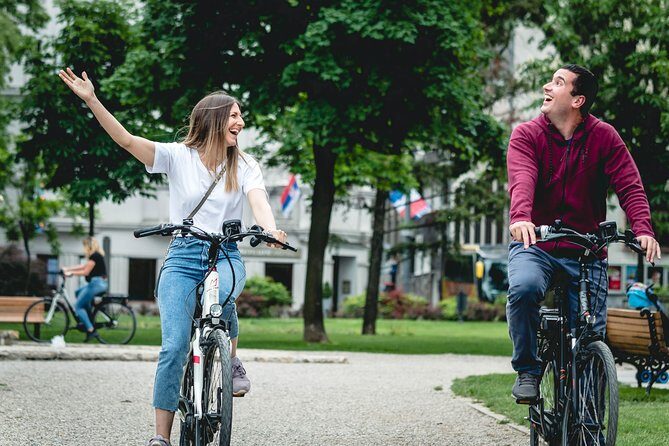
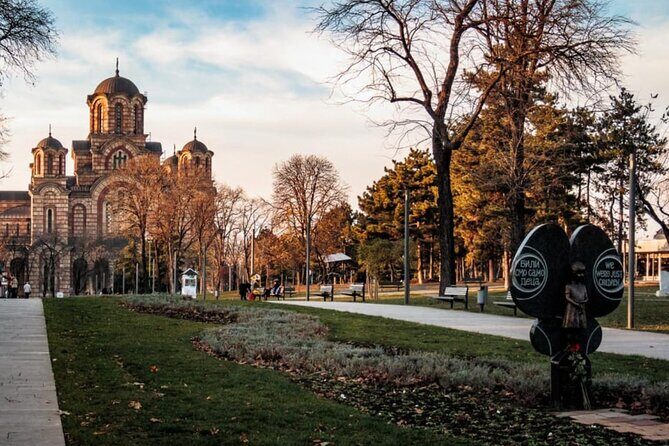
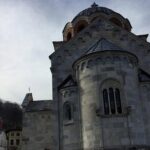
Next up is St. Mark Orthodox Church. You get context on the church history and the life of the greatest Serbian emperor. This one is free to visit, and the stop is about 7 minutes—enough time for a quick understanding and a few solid photos.
Then the tour slips into green space at Tasmajdan Park (about 5 minutes). This park break matters. It’s not just scenery; it’s your reset button after a concentrated historical stop. On a warm day, a shaded breath of air can save you later when the route picks up pace.


Trg Slavija: the square you can read like a map
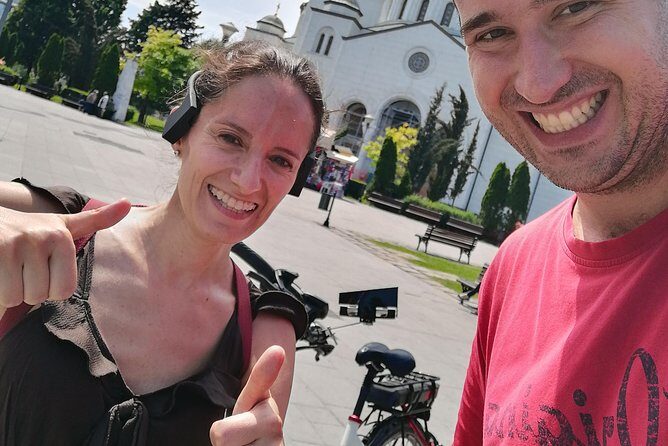
At Trg Slavija, you get a stop about the history of Belgrade’s biggest and, for many foreigners, complicated traffic square. It’s about movement and the way Belgrade’s city life routes itself through key junctions.
This part can feel quick, but it’s useful because the tour is building a mental map. Once you understand where Slavija sits in the city’s motion, other neighborhoods make more sense as you cross bridges and approach major landmarks.
St. Sava: seeing one of the world’s biggest Orthodox churches
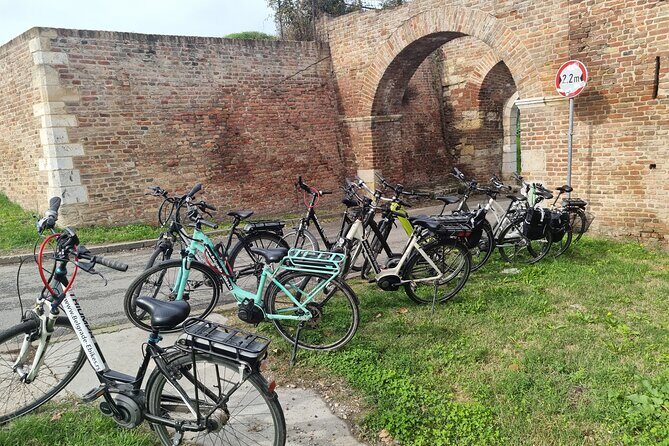
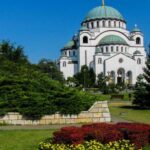
Then comes the headline: The Temple of Saint Sava. You’ll spend around 15 minutes here, and it’s free. The Temple is among the biggest Orthodox churches in the world, and the scale is the point. Even with a limited stop, you’ll understand why people come to look up and then keep looking.
Practical tip: since time is capped, choose one or two angles you want first—one wide shot, one closer detail. The guide’s explanations help you see beyond the architecture as a photograph backdrop, but you’ll still want your own visual plan to avoid rushing your camera at the last minute.
Red Star and Partizan stadiums: optional fandom time
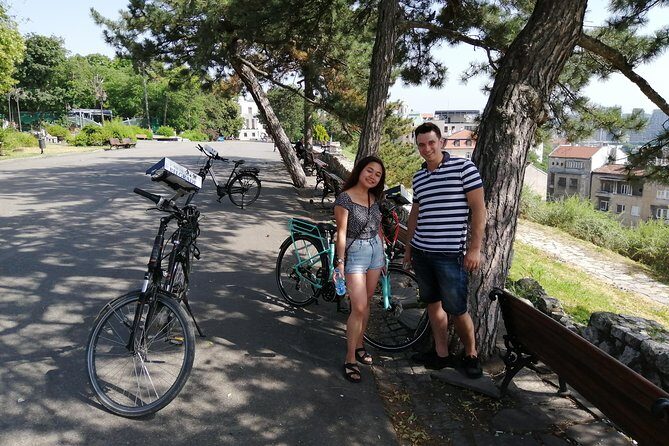
After St. Sava, you get two stadium stops that are upon request:
- Red Star Belgrade Stadium (Marakana)
- Partizan Stadium
Each is around 5 minutes. These are free, and the guide can work them into the route if you want that angle. If you’re into sports culture, this is a fun switch from churches and monuments into modern identity and rivalry. If you’re not, you can treat them as quick landmark sightings rather than deep dives.
Tito Mausoleum and the Museum of Yugoslav History: socialist-era gravity
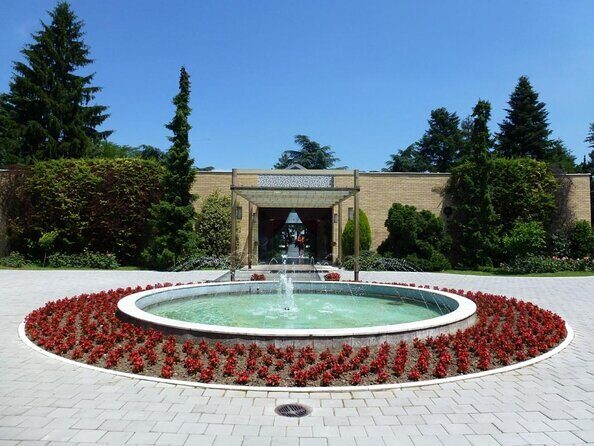
Next is a major pivot: the Josip Broz Tito Mausoleum. The stop is about 15 minutes and the admission isn’t included. This is where the tour stops being only about what Belgrade was, and starts talking about what it tried to be under second Yugoslavia.
You also hear about the Museum of Yugoslav History and the House of Flowers, which is tied to Tito’s resting place. Even if you’re not into politics, the visual symbolism carries weight. It’s a different kind of history lesson: less about dates and more about how societies build memory.
Since this stop can cost extra, it’s worth deciding in advance if you want the deeper visit. The quick guided window can still be valuable, but having a ticket plan keeps you from feeling rushed.
Residence of Prince Miloš: Ottoman-era resistance stories
The tour then moves to the Residence of Prince Miloš, another stop with admission not included. It’s about 15 minutes, and it ties to museum themes about Serbian uprisings against Ottoman rule.
This is a strong follow-up to the earlier religion and power themes, because it shifts the focus from monuments to struggle and political formation. It’s also a good reminder that Belgrade’s identity didn’t only get shaped in the modern state—it was forged through centuries of conflict, negotiation, and resistance.
Topcider Park: a royal pause in the oldest royal park
At Topcider Park, you get a short stop (about 5 minutes) at what’s described as the oldest royal park in Belgrade. The stop is free. This works as a breathing space between heavier history blocks.
In a tour like this, park time is not wasted time. It’s how you keep the day enjoyable. You’ll come out of the museums and monuments with less mental fatigue and more ability to absorb the next big visual, especially later near the river and fortress.
Floating rafts and river entertainment: when Belgrade relaxes
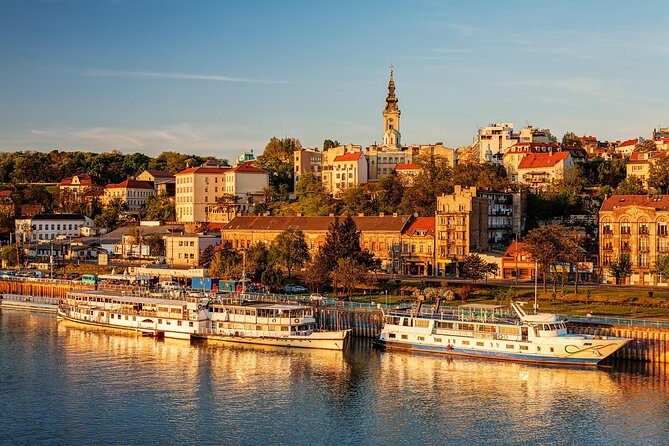
Then you get the riverside atmosphere: floating rafts, holiday homes, and river entertainment, with many spots turned into restaurants. This isn’t listed as a formal ticket attraction, and it’s more about the mood and setting.
This is where Belgrade feels more like a lived-in city instead of a history timeline. I like this kind of stop because it gives your camera a different job: not just monuments, but texture—light, water, and everyday eating-out life.
If you’re the type who loves to plan one good meal, you’ll probably leave this stop with ideas. Even if you don’t eat right then, you’ll know what kind of riverfront vibe exists here.
Nebojsa Tower: legends you can actually picture
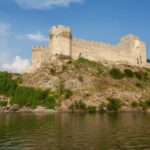
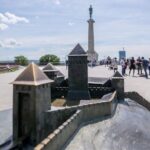
Next: Nebojsa Tower, about 7 minutes and admission not included. The focus is the tower’s history and legends. Towers like this are great in a guided context because the guide can connect the structure to the stories tied to it.
Because time is short, treat this as a “set your imagination in motion” stop. You’ll likely want to look for details you can recognize later when you remember the story. If you’re interested in fortification history, this is a meaningful break before Kalemegdan, where the fortress views take over.
Kalemegdan Park and Belgrade Fortress: the big viewpoint payoff
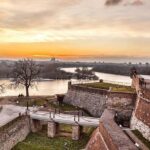
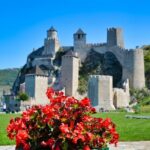
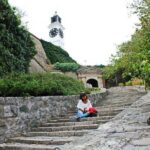
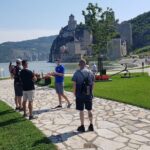
Then the tour settles into Kalemegdan Park and Belgrade Fortress for about 15 minutes. This stop is free, and it’s one of the most satisfying parts of the day because the fortress setting does half the work for you.
You’ll get history, fun facts, and legends tied to one of Europe’s oldest fortresses. This is the spot where your earlier stops start clicking. You’ve heard about power, identity, and conflict; now you’re standing in the kind of place built to survive and watch.
Practical photo note: prioritize the direction with the best city view first. If you try to photograph everything equally, you lose time and end up rushing at the end.
Pedestrian zone and Trg Republike: where the day turns social
After the fortress, you move through Belgrade’s pedestrian zone and commercial center area. It’s a transition—less “monument energy,” more “city energy.” Then you finish at Trg Republike, described as Belgrade’s most famous meeting spot, with cafes and modern restaurants all around.
This last stop is about 7 minutes and free. If you want to pick a post-tour coffee spot, Trg Republike is a sensible place to do it. You’ll also finish feeling like you’ve covered both the big historical markers and the practical street-life that makes Belgrade feel current.
Price and value: $35.07 for a lot of moving history
At $35.07 per person for roughly 2 to 3 hours, the value is mainly in two areas.
First, the cost includes the e-bike and helmet, which removes a common travel headache: bike rental on its own can cost as much or more than a guided experience. Second, many of the stops are free, so you’re paying for guidance and transportation rather than stacking admissions.
That said, plan for optional extra tickets at certain stops where admission isn’t included (like the Parliament and a couple museum-related stops). If you’re strict about budget, you can still enjoy the outside views and quick guided explanations, but you should know not every stop is ticket-free.
Also, this tour is usually booked in advance (around 25 days on average). If you’re traveling during peak months or have a tight schedule, locking your time early helps you avoid last-minute sold-out trouble.
Guides, pace, and what to ask for during the ride
The tour can feel like a “history sprint,” but the best guides make it fun. Names like Dani, Danilo, Bogdan, and Filip show up often in the helpful, upbeat explanations people praise. I’d aim to choose a guide time where you’ll still be awake enough for details.
Here are three questions that keep the experience from becoming a checklist:
- Where should I stand for the best photo angle at St. Sava?
- Which stop is the one that explains modern Serbia best?
- If I’m into sports culture, do we have time to include both stadiums?
And again, ask about the bike setup right away. A smooth start keeps the tour from turning into you fighting the ride.
Who should book Power Glide (and who might not love it)
This tour is a good fit if you want:
- an easy way to cover a lot of Belgrade without turning the day into a workout
- guided explanations tied to landmarks you can’t easily interpret on your own
- a small group experience that feels more personal than a big bus
It might not be your best choice if:
- you only want long museum time at a slow pace
- you dislike rides that mix driving with quick “look and learn” stops
- you need fully problem-free bike equipment for every moment (you’ll still be able to finish, but it’s worth checking your bike early)
Should you book this Belgrade e-bike tour?
I think it’s worth booking if your goal is a smart overview that’s lighter on your legs. For the price, you get guided context across Serbia’s political, religious, socialist, and riverside sides of the city—plus the practical benefit of moving between areas without exhausting yourself.
Before you go, I’d do two simple things: show up a bit early at Obilićev venac 6, and spend a minute learning the bike controls so you feel confident. If you want to see stadium landmarks, tell the guide early enough to work it into the plan.
If you’re ready for a fast, friendly ride with meaningful stops, Power Glide is a strong way to get your bearings fast in Belgrade.
FAQ
How long is the Belgrade E-Bike Tour?
It runs about 2 to 3 hours.
What does the tour cost?
The price is listed as $35.07 per person.
Is the tour offered in English?
Yes, the tour is offered in English.
How many people are in the group?
The maximum group size is 11 travelers.
What’s included in the price?
You get the use of an e-bike and bicycle helmets.
Are admission tickets included?
Not always. Admission isn’t included for the Serbian National Assembly presentation stop, the Tito Mausoleum, the Residence of Prince Miloš, and Nebojsa Tower. Stops like St. Mark Orthodox Church, Tasmajdan Park, and St. Sava are listed as free.
Where does the tour start and end?
It starts at Obilićev venac 6, Beograd 11000, Serbia, and it ends back at the same meeting point.
Are there different departure times?
Yes. You can choose between two tour times to match your schedule.
What happens if the weather is poor or if I cancel?
The experience requires good weather. If it’s canceled due to poor weather, you’ll be offered a different date or a full refund. Free cancellation is allowed up to 24 hours in advance for a full refund.