REVIEW · BELGRADE
NATO Bombing of Belgrade Historical Tour
Book on Viator →Operated by Belgo · Bookable on Viator
That’s a lot of meaning packed into a short walk. In Belgrade, this NATO bombing historical tour links major landmarks with the Serbian way of understanding the Yugoslav wars—without turning it into a textbook.
I like that it keeps moving between key places: you’ll pass Crkva Svetog Marka, then head into the city’s political and historic core. I also like the structure of having a guide to connect the dots, since the story here depends on details you’d otherwise miss.
The main thing to consider is pacing. The tour is fast and time-light at each stop, so if you want long, slow museum-style viewing or deep discussion at every location, you may feel a bit rushed.
In This Review
- Key highlights worth your time
- A 2-hour Belgrade bombing history tour with a clear goal
- Entering Crkva Svetog Marka: a church stop that sets the tone
- Tasmajdan Park memorial: quiet time, heavy subject
- The Serbian Parliament area and the politics of place
- Generalštab: one of the symbols of bombing
- The Railway Museum area: old station energy, new understanding
- Old King Palace area and Tsar Nicholas II: memory in layers
- Price and logistics: does $69.99 make sense?
- The guide experience: what to expect from the narration
- Who this NATO bombing tour fits best
- A balanced way to approach the subject matter
- Should you book this Belgrade tour?
- FAQ
- What’s the duration of the NATO Bombing of Belgrade Historical Tour?
- Is pickup included, and what kind of transportation do I get?
- How much does the tour cost?
- What language is the guide speaking?
- Where does the tour start?
- What’s included in the tour price?
- Is lunch included?
Key highlights worth your time
- Serbian point of view on the Yugoslav wars, told through well-known city landmarks
- Two hours with pickup and a guided flow, so you spend less time figuring out transit
- Memorial stop at Tasmajdan Park, tied directly to victims of the NATO bombing
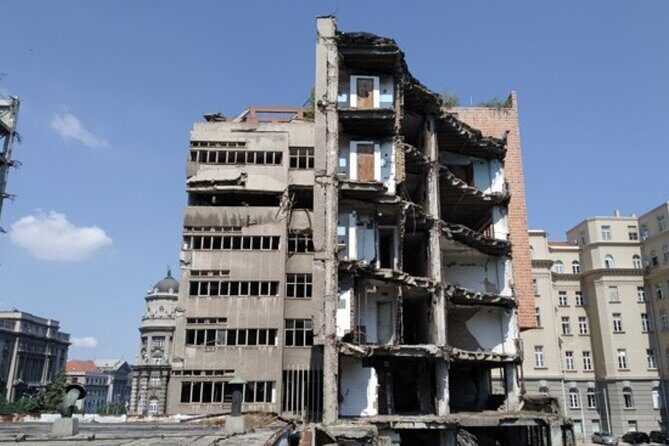
- Generalštab and the political core, placed as symbols rather than random sightseeing
- Old railway station area, useful for grounding history in how people moved
- English guide option with a private group setup, so you can ask questions in context
A 2-hour Belgrade bombing history tour with a clear goal
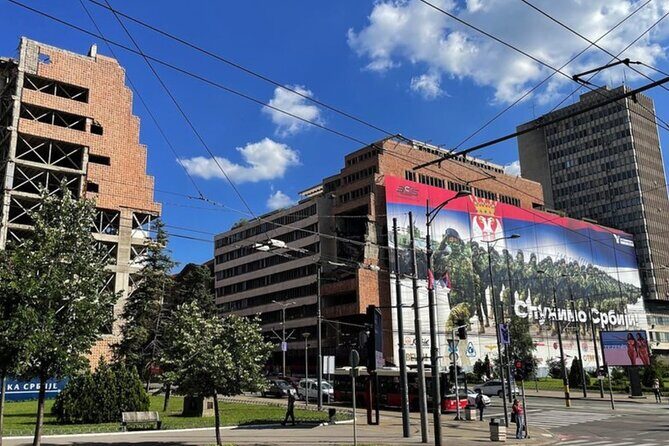
This is not a wide-scope “see everything” program. It’s a tight, guided route through places that people associate with wartime memory and national identity. If you want a practical introduction to how Belgrade frames the NATO bombing period, the format fits.
You’ll be picked up and taken around in a vehicle with WiFi and air-conditioning. Then you’ll step out at a sequence of landmarks—church, park memorial, parliament-area sites, and other historic buildings—each one used as a starting point for explanation.
Why that matters: in Belgrade, a lot of history is written on the street. A guide helps you read what you’re looking at, especially when you’re moving quickly and you don’t have time to research every location beforehand.
You can also read our reviews of more historical tours in Belgrade

Entering Crkva Svetog Marka: a church stop that sets the tone
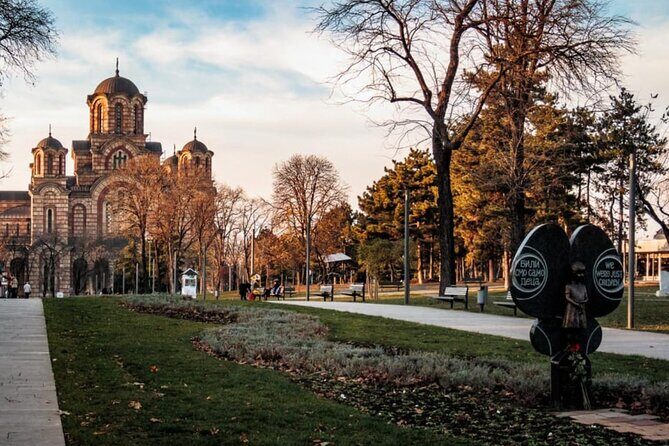
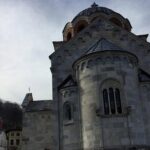
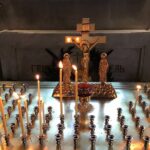
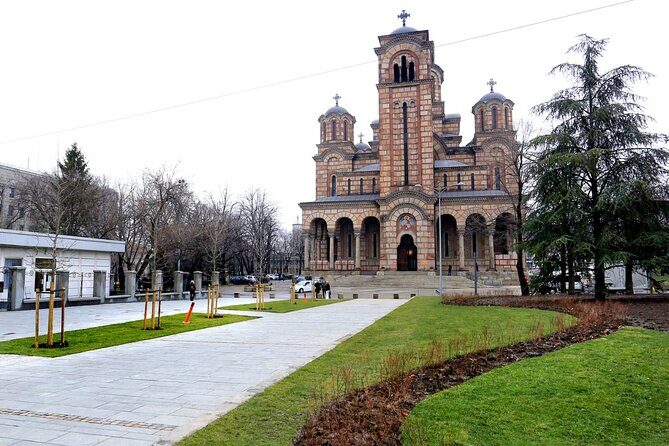
The first scheduled stop is Crkva Svetog Marka, one of the most important churches in Belgrade. You’ll have around 20 minutes here, with admission included.
This is a smart first choice. A church gives you a human anchor before the tour shifts into political and wartime symbolism. It also helps you understand the cultural backdrop: Belgrade doesn’t separate faith, identity, and public memory as neatly as you might expect.
Practical tip: if you’re visiting as part of a day with heat or lots of walking, you’ll appreciate that the schedule starts with a single focused stop. It’s easier to get oriented before you’re bouncing between outdoors memorials and government buildings.
Tasmajdan Park memorial: quiet time, heavy subject
Next up is Tasmajdan Park, about 20 minutes. Admission is free, and the big reason to come is the statue honoring children who died during the NATO bombing.
This stop changes the emotional temperature of the route. You’re not just looking at a landmark—you’re looking at a reminder that wartime history isn’t abstract. It’s personal. It’s also very specific, which is exactly what you want from a memorial: a clear message, right in front of you.
Why it’s valuable on a short tour: even if you only spend a little time here, you get a place-based understanding that museum labels can’t fully replace. And because it’s outdoors, you’ll feel the pace of Belgrade around you while the story stays focused.
If you like to take photos, bring a little extra patience. This is one of the stops where people tend to slow down, even if the overall tour keeps its schedule.
The Serbian Parliament area and the politics of place
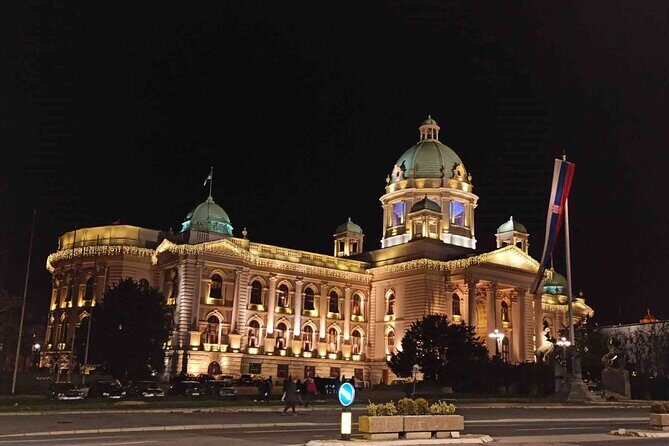
After the park, the tour moves to the House of the National Assembly of the Republic of Serbia—the Serbian Parliament area. You’ll have about 10 minutes, and admission is free.
Even with a short time window, this kind of stop matters. Parliament is where a country’s public story gets formalized: law, decisions, and official narratives. In a bombing-history context, it’s not just architecture. It’s a reminder that wartime and its aftermath show up in institutions, not only battlefields.
A realistic expectation: 10 minutes won’t be enough to read everything. But it can be enough time to see the building and understand why it’s part of the tour’s message.
Generalštab: one of the symbols of bombing
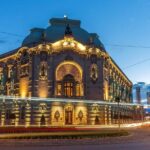
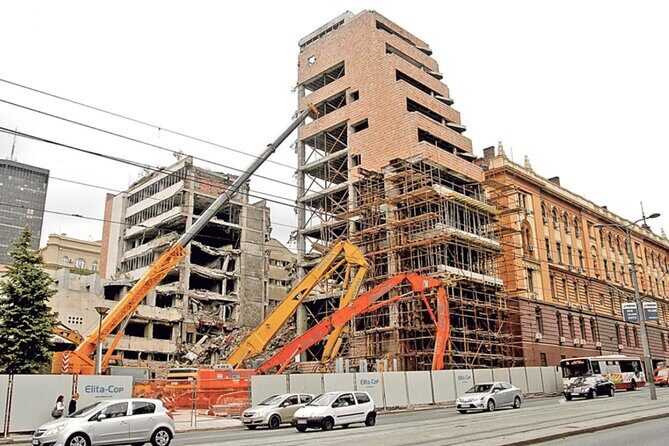
The next stop is Generalštab (often referred to as the General Staff building). You’ll have around 10 minutes, and admission is free.
The tour frames this place as a symbol of the bombing. That means your guide’s explanations are the point—not the location itself as a standalone attraction. If you’re hoping for a museum presentation here, adjust your expectations. Think of it as a meaningful stop in a route, not a deep dive on site.
This is also one of the places where the tour’s fast pace can feel a little blunt, especially if you want to absorb details slowly. Still, paired with the memorial and the parliament-area stop, it works as part of a chain of meaning: remembrance, governance, and the wartime target.



The Railway Museum area: old station energy, new understanding
Next is The Railway Museum, described as the old railway station. Plan about 10 minutes, with admission free.
Railways are one of those historical themes that show up everywhere once you start looking for them: movement, logistics, economic life, and how people connect (or get cut off). On a bombing-history route, this stop can be grounding because it points to daily life and infrastructure—not only government centers and memorials.
Again, this is a short stop. If you’re someone who loves rail history, you may find yourself wanting more time. But as part of a 2-hour walking-and-driving route, it adds variety and helps the story feel less one-dimensional.
Old King Palace area and Tsar Nicholas II: memory in layers
The final section you’ll hit includes a monument to Tsar Nicholas II Romanov (about 5 minutes) and the old king palace area.
The Tsar Nicholas II monument is quick, but short stops can still do work in a themed route. A monument like this signals that Belgrade’s public memory includes more than one international thread. It’s a reminder that the city’s story has multiple eras and influences, not just the wars of the 1990s.
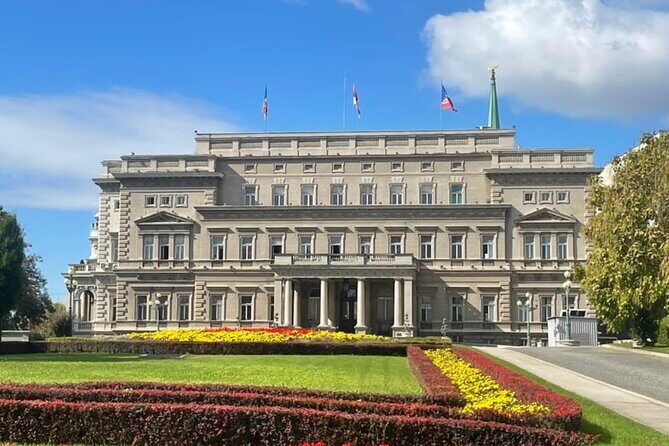
For the old king palace area, the schedule doesn’t give specific timing or admission details here, but it’s clearly included as another physical anchor. When a tour adds a royal-site stop after wartime landmarks, it suggests the guide wants you to think about long-running symbols of power—who represented authority in different periods, and how those symbols live on in the cityscape.
If you care about how different layers of history overlap, you’ll likely enjoy this ending. If you’re only here for NATO bombing specifics, you might wish the tour had a bit more time to focus tightly on the 1999 period throughout. The good news: you still get the most central bombing-linked stops earlier in the route.
Price and logistics: does $69.99 make sense?
At $69.99 per person for about 2 hours, this isn’t a budget stroll. But it’s also not a big-city “all day private guide” price. The key value is that you’re not just buying time with a guide—you’re buying pickup, private transportation, and an air-conditioned ride with WiFi.
That matters in Belgrade because you’ll be moving between locations without having to plan bus routes or taxi logistics on the spot. If you’re short on time, it’s often easier to pay for the structure than to spend that time building your own route.
What’s not included: lunch. The tour is short enough that you can often plan your meal afterward without stress.
Booked about 17 days in advance on average means you should check availability if your dates are fixed. This kind of focused thematic tour can sell out faster than generic sightseeing.
Also, this is a private tour/activity, meaning only your group participates. That typically feels better when the topic is complex and you might have questions.
The guide experience: what to expect from the narration
You’ll get an English-speaking guide. One useful reality check from how tours like this tend to run: the guide’s friendliness and knowledge can be excellent, but the clarity of explanations can vary based on speaking pace and accent.
If you’re sensitive to audio clarity, try to position yourself where you can hear well, especially during transitions. Ask a quick clarifying question when you get the chance. In a private-group format, it’s usually easier to get that kind of back-and-forth than on large group tours.
Who this NATO bombing tour fits best
This tour is best if you want:
- A guided, landmark-based explanation of how Belgrade frames the NATO bombing and the Yugoslav wars
- A short route that helps you understand the city’s public memory without spending all day
- A mix of church, memorial, government-area sites, and historic infrastructure themes
It may feel less ideal if:
- You need long time at each location to absorb details
- You prefer museum galleries over outdoor stops and symbolic landmarks
- You’re hoping for a slower, more reflective walking pace
You’ll also want at least moderate physical fitness. The stops are short, but you’ll still be moving through a city route for about two hours.
A balanced way to approach the subject matter
Topics like the NATO bombing and the broader Yugoslav wars are emotionally charged. A key strength of this tour is that it presents the Serbian point of view and ties it to what you can see around you. That kind of viewpoint-focused storytelling is valuable because it’s rooted in local meaning.
At the same time, it’s smart to keep your mind flexible. If you’re comparing perspectives later, you’ll be better prepared because this tour gives you one side of the historical conversation clearly, with place-based anchors.
A practical strategy: before you go, skim a couple neutral background summaries about the 1999 NATO campaign and Belgrade’s wartime context. Then the guide’s connections will land faster.
Should you book this Belgrade tour?
I’d book this if you’re trying to do one meaningful thematic history route in a short time and you want the Serbian perspective tied to real landmarks. The combination of pickup, private transportation, and a tight 2-hour structure makes it easy to fit into a day without building your own plan.
I wouldn’t book it if your priority is slow museum time, long explanations at each stop, or a heavily detailed site-by-site visit. The pacing is the trade-off: you get variety and direction, but not long lingering.
If you want a practical recommendation: choose this tour if you want to leave Belgrade with a clearer mental map of wartime memory—church to memorial to political symbol—without wasting hours on logistics.
FAQ
What’s the duration of the NATO Bombing of Belgrade Historical Tour?
The tour lasts about 2 hours.
Is pickup included, and what kind of transportation do I get?
Yes, pickup is offered, and the tour includes private transportation in an air-conditioned vehicle with WiFi on board.
How much does the tour cost?
The price is $69.99 per person.
What language is the guide speaking?
The tour is offered in English.
Where does the tour start?
Start time is 11:00 am, and the meeting point is near public transportation.
What’s included in the tour price?
Included are the guide, pickup, private transportation, an air-conditioned vehicle, and WiFi on board and a mobile ticket.
Is lunch included?
No, lunch is not included.