Belgrade teaches fast, if you know where to look. In this 3-hour, English-language tour, I like how it hits major sights in one tight loop, and I especially like the stop built around Serbian tastes in Čumićevo sokače. One thing to keep in mind: it’s a lot of ground covered with short visits, so comfy shoes matter.
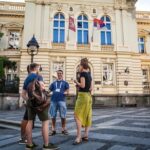
You also get real context, not just names on a sign. The group stays small, the admission for the listed stops is free, and there are three start times so you can fit it into a busy day.
In This Review
- Key highlights worth planning for
- Why this 3-hour Belgrade history walk works
- St. Mark Orthodox Church: Serbia’s big faith and a medieval link
- RTS Radio Television of Serbia: 1990s trauma, directly in the city
- Tasmajdan Park: a peaceful pause with mystery underground
- National Assembly and Nikola Pašić Square: politics, TV myths, and youth rituals
- A Historic Hotels clue, then Čumićevo sokače tasting time
- Republic Square, the pedestrian zone, and University of Belgrade life
- Dorćol graffiti stories and Bajrakli Mosque’s Ottoman footprint
- Kafana at Znak Pitanja and the Kosančićev Venac viewpoint finish
- Price and logistics: does $90.11 feel fair?
- Who should book this tour
- Should you book this Belgrade history and culture tour?
- FAQ
- How long is the tour?
- How much does it cost?
- What group size should I expect?
- What language is the tour offered in?
- Are there admission fees for the stops?
- Is there food or drink included?
- Where does the tour start and end?
- What is the cancellation policy?
Key highlights worth planning for
- Maximum six people keeps the pace human and questions easy
- Fast Belgrade overview: major churches, squares, neighborhoods, and viewpoint in under half a day
- 1999 bombing context at RTS ties the city’s modern life to recent history
- Čumićevo sokače tasting includes rakija, wine, juices, jam, slatko, and honey
- Ottoman-era landmark at Bajrakli Mosque and a look at centuries of influence
- Cobblestones and views on Kosančićev Venac, with the Sava River and splavs in sight
Why this 3-hour Belgrade history walk works
This is the kind of tour you do early in your trip. In a single afternoon or morning, you get orientation: where the power centers are, where the religious landmarks sit, how the city remembers the 1990s, and how neighborhoods feel different street to street.
The format is built for focus. The route is packed with short stops, but each one has a clear theme—church traditions, wartime scars, Ottoman influence, youth culture, university life, and food customs. If you want a quick mental map plus a few practical leads for the rest of your stay, this fits.
Value is also strong on paper. The listed sights have free admission ticket time on every stop, and the tasting portion gives you more than just a snack. At $90.11 per person for about 3 hours, you’re paying mainly for guided storytelling, timing, and the food experience—not museum fees.
You can also read our reviews of more historical tours in Belgrade

St. Mark Orthodox Church: Serbia’s big faith and a medieval link
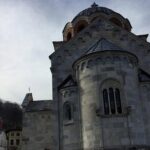
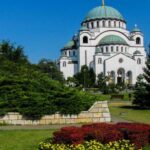
The tour begins at St. Mark Orthodox Church on Bulevar kralja Aleksandra 17. This is a heavyweight stop for anyone trying to understand how Serbia’s religious life shaped daily culture, not just historic texts.
You’ll enter the church after meeting in front. Expect your guide to connect key historical events to what you see inside, then explain customs you might notice—ways people behave, how the space is used, and what makes the atmosphere feel distinct.
One extra reason this stop lands: you’ll also be shown the remains of one of the greatest medieval rulers of Serbia. That detail helps you feel how long certain stories can echo in a city. And because the visit includes a calm moment inside, it’s a good breather before the tour shifts into more intense twentieth-century history.
RTS Radio Television of Serbia: 1990s trauma, directly in the city
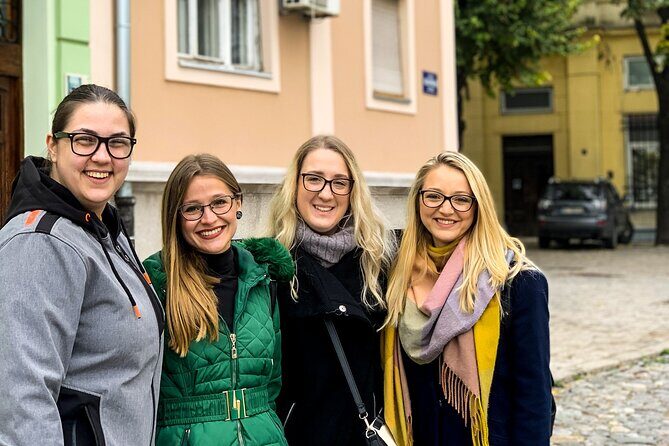
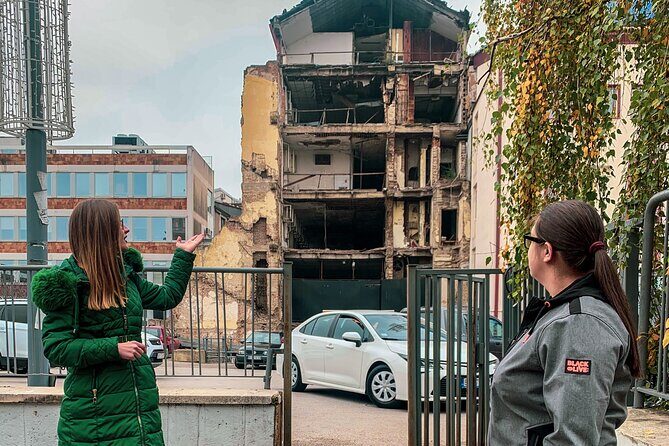
Next you’ll head to RTS – Radio Television of Serbia. This is where Belgrade history turns from bookish to visual. You’ll see buildings that were destroyed during the bombing in 1999, and you’ll hear the tragic stories from the 90s that surround those scenes.
What I like about this stop is that it’s not just a tragic photo-op. The guide’s angle is how the city lived through that era, how Yugoslavia fits into the broader story, and how economic and social realities shape contemporary life. You’ll leave with a clearer sense of why Belgrade today feels the way it does—proud, complicated, and resilient.
There’s also a practical benefit. If you’re trying to understand Serbia as you travel, this stop gives context you can carry into conversations later, whether you’re eating, riding transit, or wandering neighborhoods.
Tasmajdan Park: a peaceful pause with mystery underground
After the heavier stop, you get Tasmajdan Park. This visit is short, but it’s a smart reset: you step into a relaxing setting, then the tour points your attention toward the park’s mysteries and underground passages.
Even if you don’t know the details before you arrive, the key is how this stop shows Belgrade as layered. Above ground, it’s greenery and calm. Beneath and around it, you get the sense that the city has hidden stories—physical and cultural.
It’s also a good moment for photos without feeling like you’re competing with a landmark queue. And since the total tour time is limited, this stop’s payoff is that it makes the next segment—more architecture and symbolism—feel less like information overload.
National Assembly and Nikola Pašić Square: politics, TV myths, and youth rituals
Now you’ll look at the House of the National Assembly of the Republic of Serbia. The tour ties the building to a pop-culture connection—why it became famous for a Game of Thrones look—and then pivots into the real-world role it played during major protests.
That mix is useful. Pop-culture references can pull you in fast, but the tour’s real goal is to explain what happened here in Serbia’s modern political life. The result is that you’re not just admiring a big structure. You’re learning what the building means to people who lived through the protests.
From there, you’ll reach Nikola Pasić Square, described as the city’s youngest square. It’s also known for a fountain linked to contemporary youth customs, which gives you a contrast: solemn politics nearby, then a more playful city signal right after.
If your travel style includes noticing contrasts—how serious spaces and everyday habits sit close together—this segment will feel like the tour’s best shortcut.


A Historic Hotels clue, then Čumićevo sokače tasting time
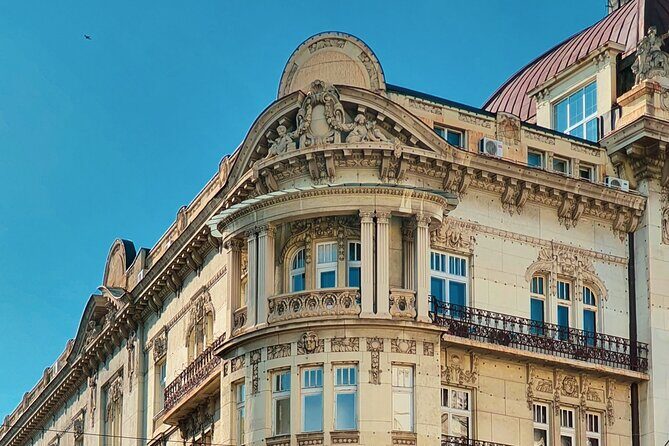
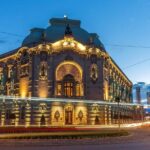
Along the route, you’ll see the only hotel in Serbia inscribed on the list of Historic Hotels worldwide. The stop is brief, but it’s a good reminder that Belgrade has an older face—written into buildings and names—whether you recognize the brand or not.
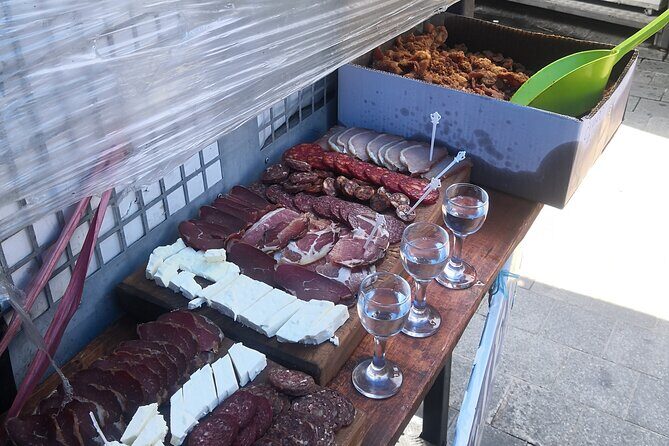
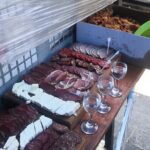
Then comes the tour highlight if you like to eat and learn at the same time: Čumićevo sokače in the Belgrade design district. This is where you get traditional Serbian products tasting in a small local store, with time set aside for it.
Here’s what you can expect to taste: domestic rakija, wine, natural juices, jam, slatko, and honey. You’ll also learn about hospitality customs, and you’ll get the practical part—how Serbs say cheers—so you can join in without feeling awkward.
I like this stop because it’s more than consumption. It turns a food list into culture: why something is served, how it’s shared, and what people mean when they offer it. If you’re the kind of traveler who wants souvenirs that you can actually use, this is the best kind of memory.
Republic Square, the pedestrian zone, and University of Belgrade life
Next is Republic Square, Belgrade’s most famous square. Your guide helps you enjoy the surrounding atmosphere, so you get a sense of how locals move through it—without treating it like a staged museum set.
You’ll also cross the main pedestrian zone. This is one of those Belgrade scenes where you feel the city come alive: street musicians, cozy cafes, and an everyday hum that changes depending on the time of day. The tour helps you see it with context, so it’s not just background noise.
Then you’ll head to the University of Belgrade, focusing on Students’ Square and park. The tour doesn’t just point at buildings; it talks education in Serbia, which makes the student spaces feel less like real estate and more like a social engine.
This trio of stops is ideal if you want to understand Belgrade beyond monuments—how people gather, study, stroll, and hang out.
Dorćol graffiti stories and Bajrakli Mosque’s Ottoman footprint
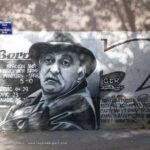
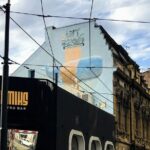
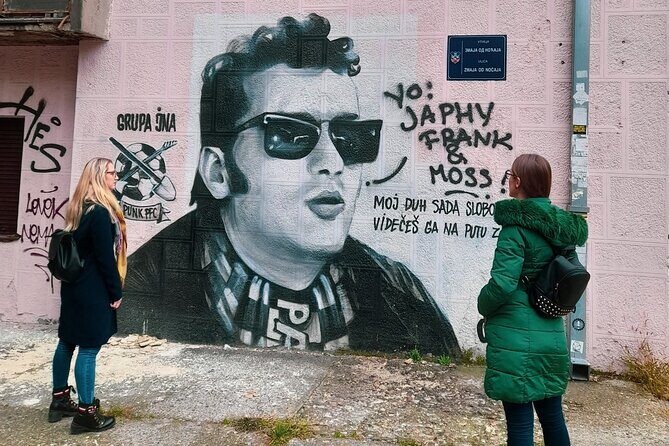
You’ll walk through Dorćol, known for unique graffiti. This is not just street art for aesthetics. You’ll hear intriguing stories from the past while you look at the walls, so the neighborhood feels like a living timeline.
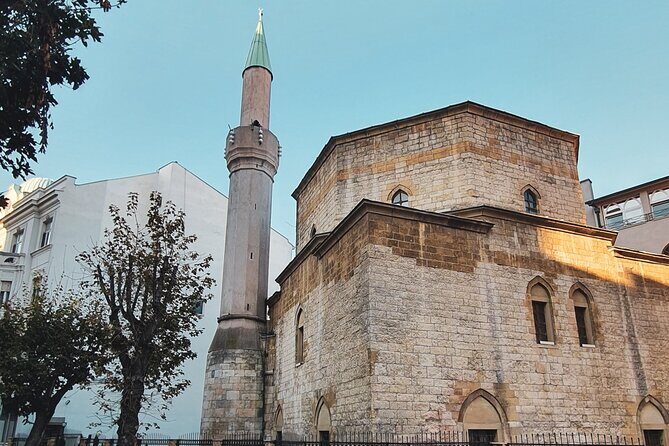
Then the tour turns to one of the city’s most meaningful preserved Ottoman-era sights: Bajrakli Mosque (Bayrakli dzamija). You’ll see the only preserved mosque in Belgrade from 273 that existed in the past. That number is a sharp reminder of how much changed over time.
The guide explains Ottoman influences lasting almost 5 centuries in Serbia. I like the way this stop makes influence tangible. Instead of thinking of Ottoman history as a distant chapter, you see a physical landmark that’s still part of the city’s map.
If you want your Belgrade story to include Ottoman-era layers (without getting lost in academic detail), this is one of the best parts of the route.
Kafana at Znak Pitanja and the Kosančićev Venac viewpoint finish
After Dorćol and the mosque, you’ll hit Znak Pitanja (Question Mark), known for the architecture of the oldest kafana in Belgrade. Kafana is more than a restaurant concept in this region—it’s a social habit. Seeing the building type and hearing what it represents helps you understand why Belgrade is so attached to food-and-conversation culture.
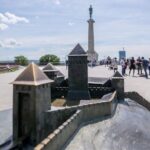
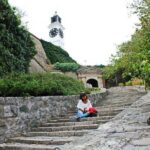
Finally, you’ll end at Kosančićev Venac, a cobblestoned street in one of Belgrade’s oldest areas. You’ll admire cultural heritage and an Orthodox church, then walk up toward a beautiful viewpoint.
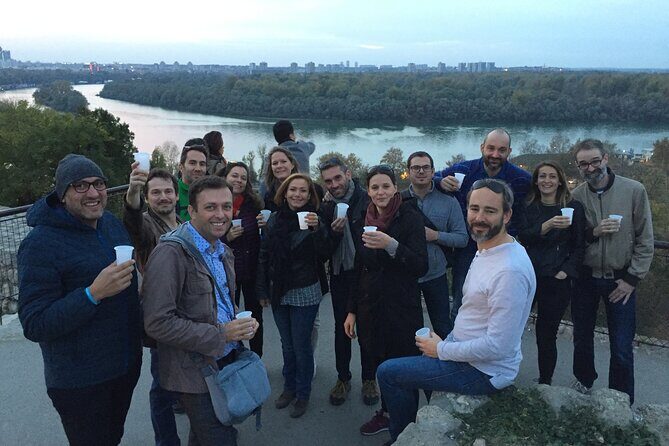
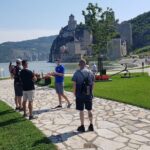
From there, you’ll look across New Belgrade, the Sava River, and the traditional Serbian splavs—floating river clubs. It’s a visual payoff that makes the whole tour feel connected: religion, politics, empire, everyday life, then a wide river view showing how Belgrade stretches and adapts.
Price and logistics: does $90.11 feel fair?
At $90.11 per person for about 3 hours, the value comes from three things:
First, you’re getting a guided route with multiple high-impact stops spread across different eras—from Orthodox traditions to 1999 wartime damage to Ottoman influence and modern youth culture.
Second, the tour includes free admission ticket time for each listed sight, so you aren’t nickel-and-dimed by entry fees as the day goes on.
Third, the tasting stop at Čumićevo sokače includes multiple items (rakija, wine, juices, jam, slatko, honey), plus cultural context like hospitality customs and how to toast correctly. Even if you’re not a heavy drinker, the assortment of sweets and preserves alone makes this stop feel like more than a small snack.
The group size matters too. The tour highlights a maximum of six people, which usually means your guide can pace better and answer questions without rushing. (The activity also lists a higher overall maximum, but the key promise is the small-group feel.)
If you’re booking a day where you want clarity fast, not a slow museum crawl, this price is easy to justify.
Who should book this tour
This is a strong match for:
- First-timers who want a map of Belgrade’s big stories
- Travelers who like food + culture in the same outing
- People who prefer walking tours with short explanations rather than long lectures
If you want a deep museum experience or long stays inside major sites, you might find the “short stop” format a bit quick. But if your goal is orientation, connections, and a few memorable scenes—this will do the job.
Also, the tour is offered in English, and it’s described as suitable for most travelers. If you’re comfortable walking for a few hours with stops, you should be fine.
Should you book this Belgrade history and culture tour?
Yes—if you want your first Belgrade day to feel organized and meaningful. This tour is designed to give you context fast: why churches matter, what the 1990s scars look like in the streets, how Ottoman-era influence survives in stone, and how everyday Belgrade habits show up in squares and neighborhoods.
I’d book it if you’re the type who likes to return from a walk and say, Now I get it. You’ll finish with a wide river view, a better understanding of Serbia’s cultural layers, and a tasting memory you can’t really buy back at a souvenir shop.
FAQ
How long is the tour?
The tour lasts about 3 hours.
How much does it cost?
It costs $90.11 per person.
What group size should I expect?
The tour highlights a maximum group size of six people, and the activity listing also notes a maximum of 15 travelers.
What language is the tour offered in?
The tour is offered in English.
Are there admission fees for the stops?
The stops listed in the itinerary show admission tickets as free.
Is there food or drink included?
Yes. There is a traditional Serbian products tasting at Čumićevo sokače, including rakija, wine, natural juices, jam, slatko, and honey.
Where does the tour start and end?
It starts at St. Mark Orthodox Church, Bulevar kralja Aleksandra 17, and ends at Kosančićev venac 22, Beograd.
What is the cancellation policy?
Cancellation is free if you cancel up to 24 hours in advance of the experience start time for a full refund. If you cancel less than 24 hours before, the amount paid is not refunded.