REVIEW · BELGRADE
Kalemegdan Segway Tour
Book on Viator →Operated by Segway Belgrade · Bookable on Viator
Kalemegdan on a Segway is a fast way to turn history into something you can move through. I love how the tour blends everyday Belgrade (big pedestrian streets, busy squares) with the jump-off point to major fortress sights. I also like that you get a real sense of Belgrade’s layers, from WWI relics to medieval ruins, without feeling rushed on foot. One drawback to plan for: this experience depends on good weather, so rainy days can change the schedule.
It’s a smart choice if you want an efficient first-day plan. You start downtown near Maršala Birjuzova Street, roll through Knez Mihajlova, then finish in the Kalemegdan area where a lot of the city’s key landmarks sit close together. The group stays small (max 10), and you can book in English.
The price ($60.08) feels fair for what’s included: a local guide, helmet use, and even beverages—plus you’re paying for time-saving wheels, not just sightseeing. If you’re nervous about balancing, expect a short learning curve, but the Segway is designed to be manageable after you get going.
In This Review
- Key things you’ll notice on this Kalemegdan Segway Tour
- Why a Segway tour works so well around Kalemegdan
- Maršala Birjuzova and Knez Mihajlova: getting your bearings on two wheels
- Republic Square: the city’s nerve center in a few minutes
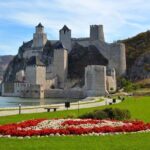
- Kalemegdan Fortress highlights: WWI sites, medieval ruins, and Belgrade symbols
- Tito’s bunker, the Roman well, and underground Belgrade layers
- Sports legacy in the same fortress complex: Partizan and Red Star
- Easy Segway training and why a patient guide changes everything
- Price and value for a 1 hour 40 minute Belgrade overview
- Who should book this Kalemegdan Segway Tour
- Should you book this Kalemegdan Segway Tour?
- FAQ
- How long is the Kalemegdan Segway Tour?
- Where does the tour start and where does it end?
- Is the tour offered in English?
- What is included in the price?
- How many people are in each booking?
- Does the tour run in bad weather?
Key things you’ll notice on this Kalemegdan Segway Tour
- Small group pace (max 10) keeps it relaxed and easier to stay together
- Knez Mihajlova to Republic Square gives you a real feel for daily Belgrade life
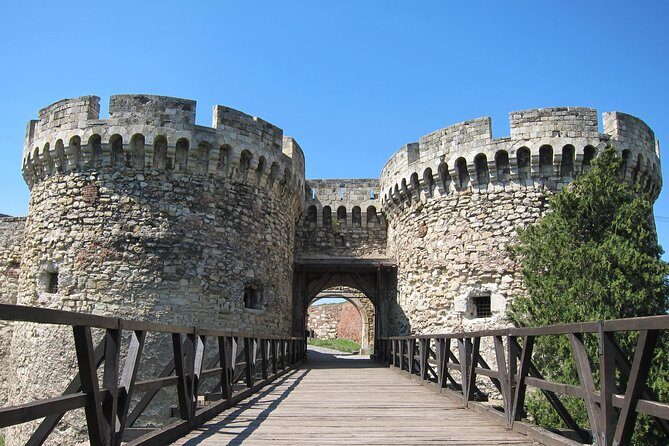
- Kalemegdan Fortress stops cover WWI, WWII artifacts, and medieval castle ruins
- Iconic landmarks in short reach like Tito’s bunker and the Roman well underground
- Helmet + local guide + beverages included means fewer extras to plan
Why a Segway tour works so well around Kalemegdan
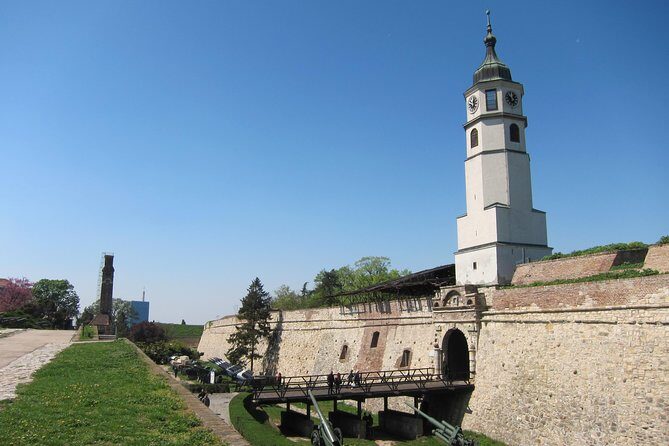
Belgrade’s highlights are spread out in a way that can eat time if you’re walking everything. This route uses an electric Segway to connect the downtown pedestrian areas with the big Kalemegdan fortress zone without wearing yourself out too early.
You also get a nice rhythm: you start in the city’s most active pedestrian corridors, then your surroundings shift toward fortifications, monuments, and museum displays. That change of pace is exactly what makes this kind of tour feel like more than a checklist. It’s also a practical way to understand how the city is physically built—downtown energy leading toward defensive hills and layered history.
And because it’s guided, you’re not just looking. You’re learning what you’re seeing and why it matters, then moving on. That combo helps the whole day make sense instead of feeling like you popped from one stop to the next.
You can also read our reviews of more tours and experiences in Belgrade.

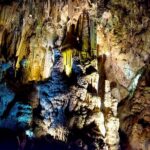

Maršala Birjuzova and Knez Mihajlova: getting your bearings on two wheels
The tour begins at Segway Belgrade, Maršala Birjuzova 14, near the Mikan restaurant area. This is a good start point because you’re already in central Belgrade, with easy connections to the rest of the city.
Once you’re kitted up with a helmet, you’ll spend a little time getting comfortable on the Segway before the sightseeing really starts. The key here is to go slow at first. Keep your focus on smooth handling, not speed. After a short adjustment, most people find the ride becomes natural enough to enjoy the street scene.
The first major sightseeing corridor is Knez Mihajlova, Belgrade’s most famous pedestrian area. This street is the kind of place where you constantly notice small details: shopfronts, cafes, and people moving in every direction. Depending on the day, you might catch things like street performances, museum-related displays, or organized gatherings near the start of the pedestrian zone around Republic Square.
Why this stop matters: it positions you inside the city, not outside it. Before you ever reach the fortress, you get the mood of Belgrade—busy, social, and built for walking.
Republic Square: the city’s nerve center in a few minutes
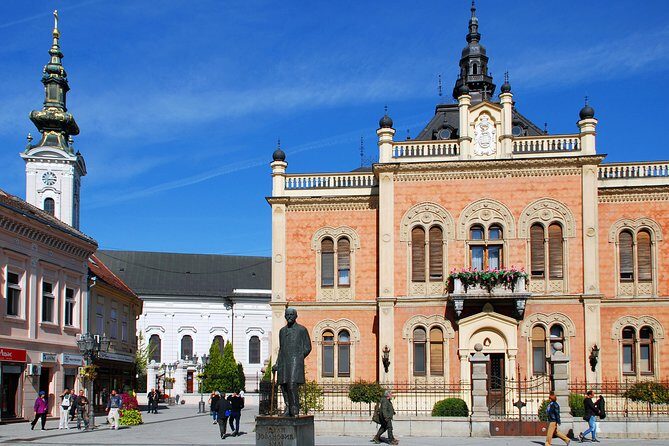
From the pedestrian street, the tour moves to Republic Square, which is one of Belgrade’s most famous meeting points. This square is packed with recognizable landmarks, so it’s also an easy way to orient yourself visually.
Here’s what the tour route highlights about the square: it connects directly off Knez Mihailo Street toward Kalemegdan, it sits near the Museum of Belgrade, and it’s across from the National Theatre. In the center you’ll see the famous Horse monument, Prince Mihailo, which is a real anchor point for photos and wayfinding.
Republic Square also has practical significance: it’s where many bus and trolley lines intersect. That means it isn’t just pretty—it’s functional. You’ll see why Belgrade’s public life clusters here, and you’ll understand how people move between downtown and the fortress zone.
Potential drawback: because this area is lively and busy, it may feel crowded compared with quieter sightseeing stops. If that bothers you, keep your pace steady and let the guide keep you moving in a tight group.
Kalemegdan Fortress highlights: WWI sites, medieval ruins, and Belgrade symbols
Once you’re in the Kalemegdan park and fortress area, the tour shifts into landmarks that tell a tougher story than the downtown streets.
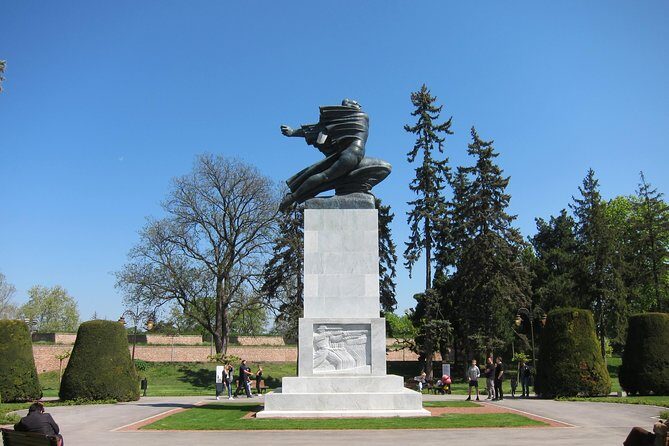
One of the first themed stops includes the Monuments of Gratitude to France and Russia. These monuments help you read the fortress as a place shaped by international relationships, not only local events. It sets a serious tone before the tour moves into the military-focused sections.
You’ll then reach the bastion where World War I started, plus military exhibits that include weapons from both World War I and World War II. Even if you’re not a history person, seeing artifacts arranged in a physical space does something that reading alone can’t. It turns wars into tangible dates and locations.
The tour also includes Serbian medieval castle ruins. This is a key contrast point. Instead of only thinking of Kalemegdan as a modern military site, you’ll see evidence that the hill has been strategically important for centuries. The stones and remnants help explain why fortresses keep getting rebuilt over the same ground.
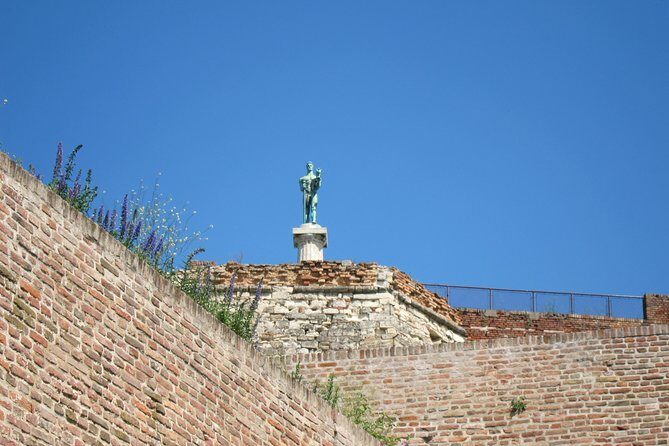
A standout “Belgrade identity” stop is The Victor, a trademark symbol tied to the city’s image. It’s the kind of landmark you’ll recognize later even if you forget every museum detail, because it’s tied to how Belgrade wants to be seen.
Why I think this fortress segment is valuable: it doesn’t treat history as one long list. It uses themes—international gratitude, major wars, and older fortification roots—so the place feels coherent.
Tito’s bunker, the Roman well, and underground Belgrade layers
Kalemegdan doesn’t just stay above ground. The tour also takes you past sights that connect to what’s under the city.
One of the most talked-about stops here is Tito’s bunker. Even without deep background, it’s easy to feel the purpose of such a place: protection, secrecy, and the reality of political fear during tense eras. Seeing it within the broader fortress grounds makes it feel less like a standalone oddity and more like part of the fortification logic.
You’ll also see the Roman well and references to underground Belgrade. This is where the “layers” concept becomes real. Kalemegdan sits in a zone that’s been used and reused over time, and the tour frames that idea by pointing out how older structures sit beneath later ones.
A highlight for many people is the Military Museum and the idea of roughly 2000 years of history layered on one wall area. That kind of guided interpretation matters: otherwise, you might walk past displays thinking you’re just seeing objects. With a guide, you learn what connects them.
The tour also includes the ZOO area. That addition is useful if you’re traveling with mixed interests, because it keeps the day from feeling only heavy and museum-like. It’s a reminder that Belgrade’s fortress grounds aren’t frozen in time—they’re used.
One practical consideration: because the fortress area includes many exhibits, expect more standing and looking than riding. The Segway still helps you move between points without needing long walks, but you’ll spend time absorbing sights.


Sports legacy in the same fortress complex: Partizan and Red Star
This is one of those “only in this place” moments that makes the tour memorable.
You’ll be shown the sports fields where clubs Partizan and Red Star were founded. That’s a curveball compared with WWI relics and military museums, but it works. It demonstrates how Kalemegdan isn’t solely a defensive monument—it’s also part of Belgrade’s daily culture and identity, including sports and youth.
And that cultural mix matters for your travel brain. It gives you a fuller picture of Belgrade’s story: the same hill that played a role in conflict also became a space where community activities took root.
If you’re a sports fan, this stop alone can make the tour feel more personal. If you’re not, it still helps you understand why locals treat this area as more than just a tourist site.
Easy Segway training and why a patient guide changes everything
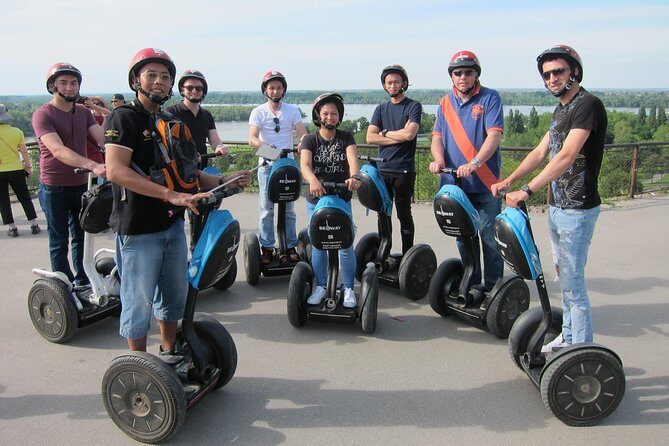
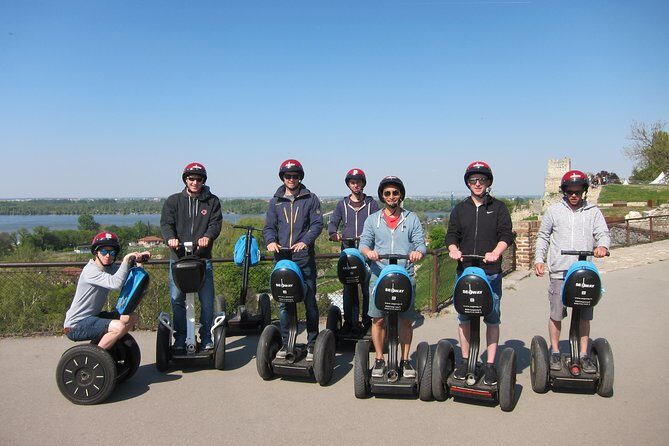
The best compliment from the experience is simple: the guide approach. People describe the guide as accommodating and patient, and that matters because learning balance is the whole first hurdle.
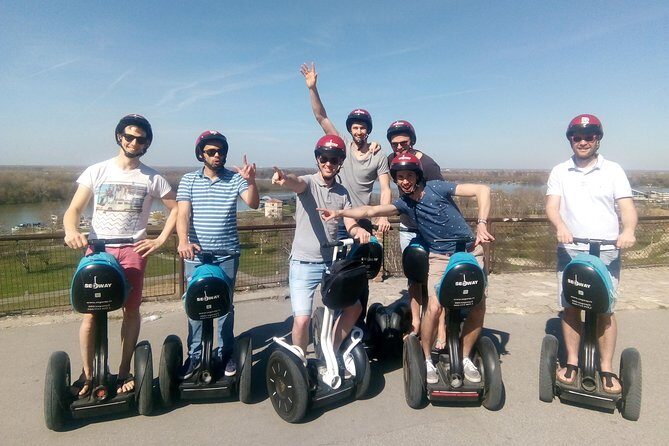
This tour includes a helmet, and Segways are operated with guidance, not guesswork. Start with calm expectations: you’ll likely need a little time for your hands, feet, and posture to feel coordinated. Then the ride becomes a tool—something that lets you keep your attention on the city instead of the stress of walking long distances.
The small group size (max 10) also helps. It’s easier for the guide to correct your stance quickly and keep you comfortable. Plus, it makes the overall pace smoother, especially in busy pedestrian zones like Knez Mihajlova and Republic Square.
Languages offered include English (and other options depending on what you request at booking). If you want English, you can choose it directly during the booking process. That’s useful if you’re trying to get meaning, not just photos.
One more note: the tour includes beverages, which is a nice touch for a 1 hour 40 minute plan. It cuts down on small decisions you’d otherwise make during a tight schedule.
Price and value for a 1 hour 40 minute Belgrade overview
At $60.08 per person for about 1 hour 40 minutes, you’re paying for three main things: time, interpretation, and convenience.
Time: Kalemegdan and central pedestrian landmarks are close enough to combine in a single structured loop, but far enough that walking can quickly slow you down. The Segway reduces transit effort so you spend more of the hour-and-a-half actually seeing and learning.
Interpretation: you’re not just moving through Knez Mihajlova and Republic Square. You’re getting context for what the square connects to, what the fortress displays represent, and how the military and medieval sections connect. That guided storytelling is what turns an overview into a memory you can place on a map later.
Convenience: helmet use is provided, beverages are included, and the tour starts and ends back at the meeting point. That makes it easier to build the rest of your day without complex logistics.
If you’re planning Belgrade on a schedule, this type of tour can be especially valuable as an early activity. It helps you figure out where you’ll want to return on foot or by taxi for deeper exploration.
One caution on value: because the experience is weather-dependent, treat it like a timed plan. Have at least one flexible window in your itinerary so you’re not stuck scrambling if the weather changes.
Who should book this Kalemegdan Segway Tour
This is a great match if you:
- Want a first-day Belgrade experience that helps you orient fast
- Like mixing big public spaces (Republic Square) with fortress-level sights (Kalemegdan)
- Prefer less walking over long distances while still wanting real landmarks
- Enjoy guided context and want more meaning than just photo stops
It may be less ideal if you:
- Dislike crowds or busy sidewalks, since Knez Mihajlova and Republic Square can be active
- Want a slow, lingering pace in museums only (this tour is an overview format)
- Are traveling when weather is uncertain, because the activity requires good conditions
For families, note that children must be accompanied by an adult. If you’re bringing kids, make sure everyone can follow safety instructions and handle the idea of riding in a guided group setting.
Should you book this Kalemegdan Segway Tour?
If you want a practical, guided way to understand Belgrade’s layout and history in under two hours, I’d book it. The combination of central pedestrian streets, Republic Square’s landmark density, and Kalemegdan’s mix of WWI/WWII artifacts, medieval ruins, and places like Tito’s bunker makes the time feel efficient.
I’d lean toward booking soon as well, since this kind of tour gets scheduled in advance. And if this is your first time in Belgrade, doing it early can save you hours later by helping you decide what’s worth revisiting.
One last tip: wear comfortable clothes and shoes you’re happy to stand in. You’ll ride between sights, but you’ll still spend time stopping, looking, and learning.
FAQ
How long is the Kalemegdan Segway Tour?
The tour lasts about 1 hour 40 minutes.
Where does the tour start and where does it end?
It starts at Segway Belgrade, Maršala Birjuzova 14, Beograd, Serbia, and it ends back at the same meeting point.
Is the tour offered in English?
Yes. The tour is offered in English, and other languages may be available depending on booking details.
What is included in the price?
Included are the local guide, helmet use, beverages, and the tour itself. Food and drinks, lunch, and transportation to and from attractions are not included.
How many people are in each booking?
There is a maximum of 10 travelers per booking.
Does the tour run in bad weather?
This experience requires good weather. If it’s canceled due to poor weather, you’ll be offered a different date or a full refund.