REVIEW · BELGRADE
From Belgrade: Private Day Trip to Romania
Book on GetYourGuide →Operated by VICTOR TOURS · Bookable on GetYourGuide
Timisoara hits you fast with big-city details. This private day trip from Belgrade pairs a smooth, air-conditioned ride with a guided stroll through Cetate’s Austrian-era squares and streets. I also like that you get story-driven context about the 1989 revolution, not just sightseeing.
What makes it work is the pacing: a focused morning tour, then time to breathe and wander on your own. You’ll see major landmarks like the Timișoara Orthodox Cathedral and the Romanian Opera House, and you’ll get a licensed guide who can answer questions as you go—sometimes including names like Konstantin, who has impressed visitors with his knowledge and responsiveness.
One consideration: it’s a long day. Between the border-crossing drive and the full loop back to Belgrade, you’ll be out for about 11 hours, and lunch is on your own dime.
In This Review
- Key highlights worth getting excited about
- A private day in Timișoara: why it’s a smart shortcut
- The drive from Belgrade: comfortable time, not wasted time
- Entering Cetate: the historic core you can actually understand
- Cathedral, Opera House, and the feel of a city that remembers
- Liberty Square and the Old City Hall: architecture as a cultural clue
- Union Square, St. George’s Cathedral, and the fortress ruins
- Memorialul Revolutiei: why the 1989 revolution stop matters
- Lunch on your own: use your guide’s picks, then follow your nose
- Afternoon free time: 3 hours to explore without stress
- Price and logistics: what you’re paying for (and what you’re saving)
- Who this trip is for (and who should rethink)
- Should you book this Belgrade to Timișoara private day trip?
- FAQ
- How long is the day trip from Belgrade to Timișoara?
- Is pickup and drop-off included in Belgrade?
- What kind of transport will I use?
- Is there an English-speaking guide?
- How long is the guided time in the historic city center?
- Do I get free time in Timișoara?
- Is lunch included?
- What do I need to bring for the border crossing?
- Is the Revolution Memorial entrance included?
Key highlights worth getting excited about
- Door-to-door pickup and drop-off from your Belgrade accommodation, with private transportation
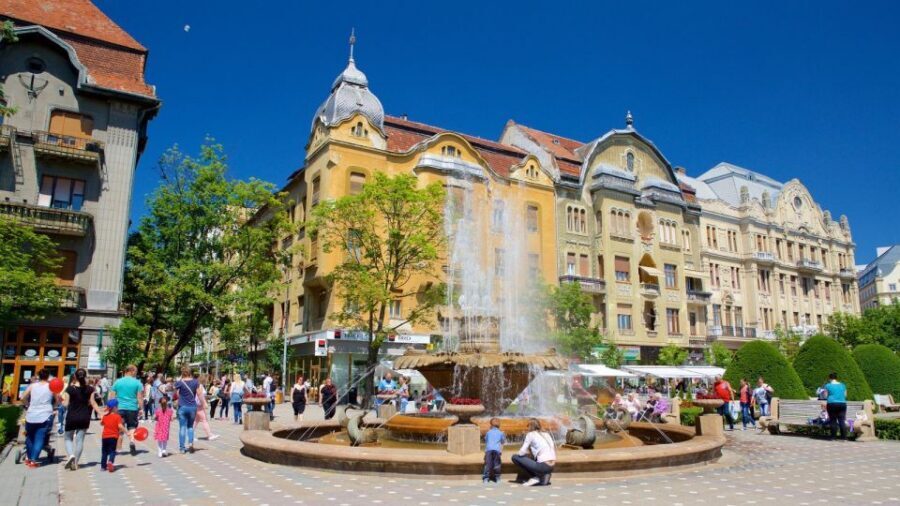
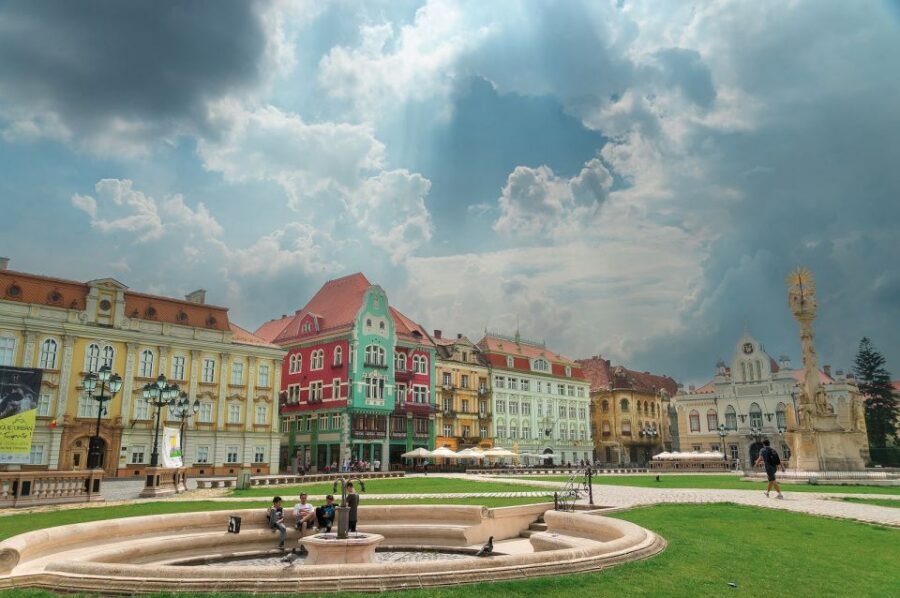
- A guided walk through Cetate, including Baroque and Art Nouveau architecture and large public squares
- Liberty Square, Union Square, and the city’s major religious landmarks all in one day
- Fortress history at Union Square, including the Theresia Bastion defensive walls
- Memorialul Revolutiei entrance included, tied to the 1989 anti-Communist revolution
- About 3 hours of afternoon free time so you can choose your own pace and lunch spot
A private day in Timișoara: why it’s a smart shortcut
This isn’t the kind of trip where you tick off ten places and forget half of them. You’re going to a historic city with a clear route and a clear purpose: understand why Timișoara matters, then enjoy the architecture and atmosphere at street level. For a day trip, that’s the difference between “I went” and “I got it.”
Because it’s private, you can move at the right speed for you. If you want photos, you’ll be able to stop. If you’d rather linger near a square or a viewpoint, your guide can work with that. And since it’s a short overall visit to a complex place, having a professional English-speaking guide helps you avoid the dead-end feeling you can get when you’re alone.
The best part? You’re not stuck doing everything under a tight schedule. The afternoon break gives you room to follow your curiosity, whether that means finding a traditional meal or just wandering until the city feels familiar.
You can also read our reviews of more private tours in Belgrade


The drive from Belgrade: comfortable time, not wasted time
You’ll leave Belgrade and ride for about 2.5 hours to Timișoara. The vehicle is air-conditioned, and the small-group setup helps—think 4–7 passengers in a minivan, or a private sedan if you’re traveling as a smaller party.
That matters because border crossings can add stress. When you start with comfortable transport and clear coordination, you lose less of the day to logistics. You also don’t have to piece together local transit once you arrive; you meet your guide and step into the walking portion right away.
If you’re sensitive to long drives, bring water and plan for a full day. You’ll likely feel it more because the outing is designed to pack in history and landmarks, not to “take it easy all day.”
Entering Cetate: the historic core you can actually understand
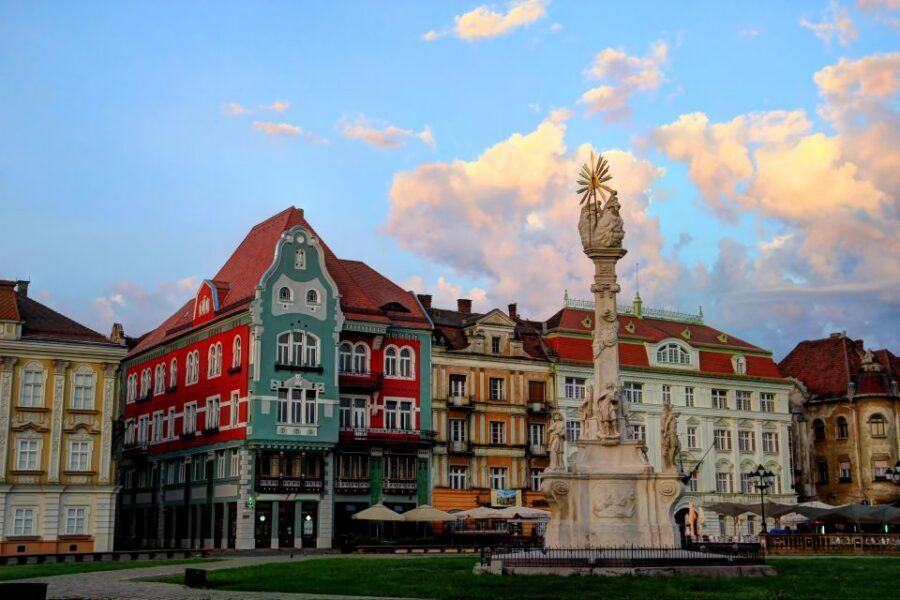
Once you arrive, you’ll meet your guide and head into the Cetate area for a guided walk of about 2.5 hours. This is where the city’s layers show up clearly. You’ll notice a mix of architectural styles—Baroque and Art Nouveau buildings—and you’ll see the large public squares that grew under the Austrian Empire’s influence.
I like this approach because it’s visual history. Instead of learning names in a vacuum, you’re looking at the shapes of the streets and the scale of the spaces. Squares matter here: they create a sense of how people gathered, traded, celebrated, and argued—social life made architectural.
You’ll also get your bearings early. By the time you reach the next set of landmarks, the city layout makes more sense, and you’ll be able to enjoy the free time later without feeling lost.
Cathedral, Opera House, and the feel of a city that remembers
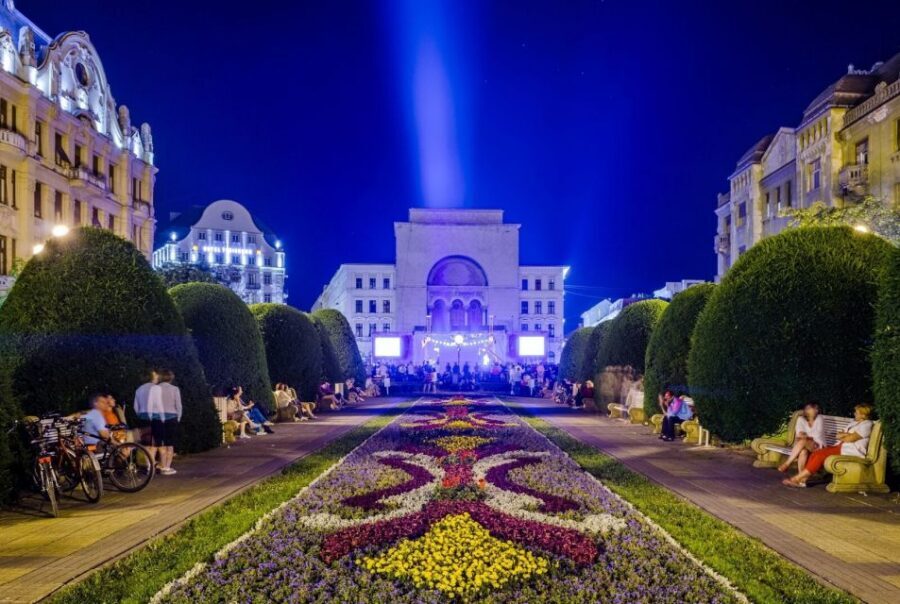
In Cetate, the route includes two of Timișoara’s headline sights: the Timișoara Orthodox Cathedral and the Romanian Opera House. Even if you don’t go inside, standing near these buildings helps you grasp the city’s identity—religion, culture, and civic pride all living side by side.
This part is also a good “listen and look” moment. Your guide can tie the buildings to broader stories, so you’re not just taking photos. When you can connect a landmark to why it’s there, the sightseeing stops feeling like homework.
If you’re the type who likes asking questions, this tour structure is built for you. The guide is English-speaking, and the overall flow gives you natural pauses where you can ask things without derailing the group.
Liberty Square and the Old City Hall: architecture as a cultural clue
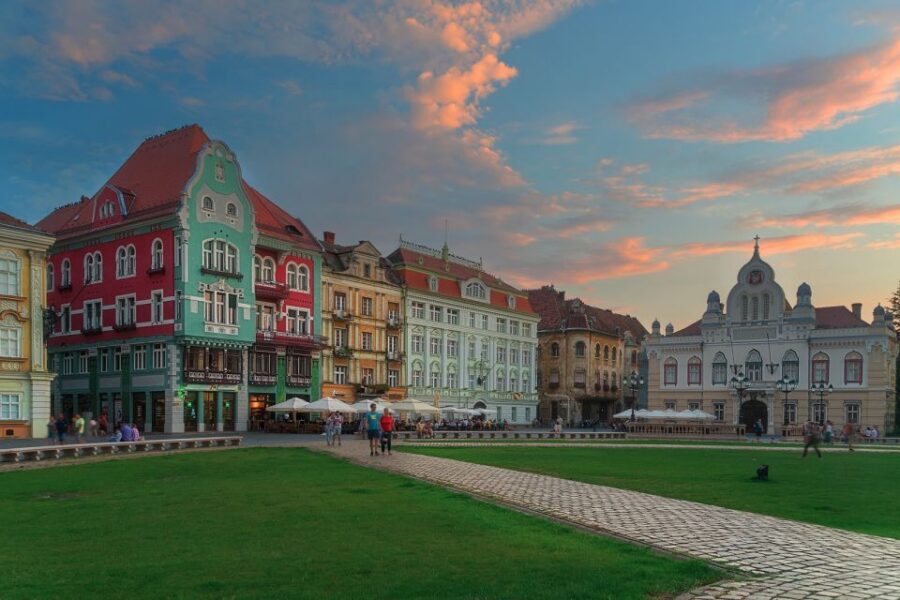
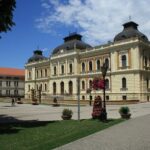
Next up is Liberty Square, where you’ll see the Old City Hall and get a sense of the city’s cultural mix. The key idea here is that Timișoara isn’t one single identity. Your guide will point out how different communities and influences left visible traces in the city’s public face.
I like Liberty Square because it’s easy to experience even if you’re tired. It’s open, it’s central, and you can read the place quickly: the scale of the square, the surrounding facades, and the way the space holds the city’s “center.”
This stop also sets you up for later. Once you see how the city reflects multiple influences in its civic buildings, the next religious and fortress-related scenes feel more connected rather than random.
A few more Belgrade tours and experiences worth a look




Union Square, St. George’s Cathedral, and the fortress ruins
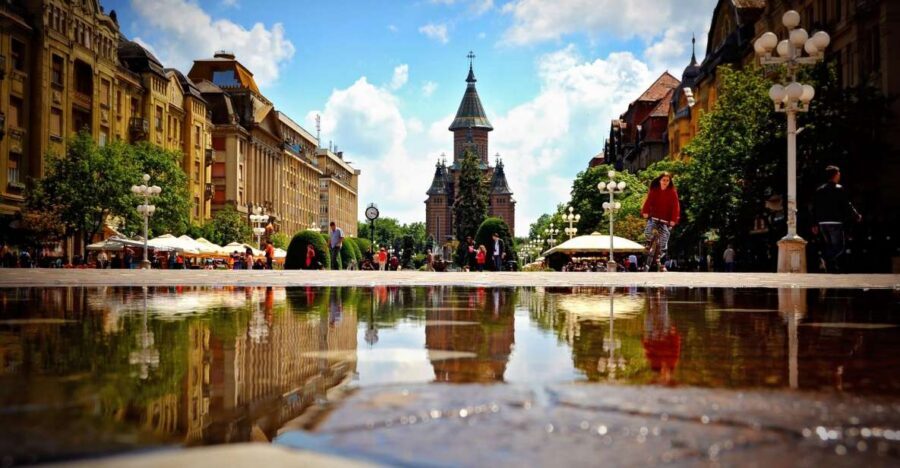
Union Square is where the tone shifts. You’ll visit St. George’s Cathedral, then walk through the ruins of an old fortress area. It’s not just pretty scenery; it’s built history—defensive walls and remnants that show how seriously this city treated protection and strategy.
A highlight here is the Theresia Bastion defensive walls. Even without getting overly technical, you can tell this was designed for defense. You’re looking at the geometry of control—walls where you would expect power, planning, and strategic placement.
If you enjoy “how a place worked” history, this section will feel satisfying. It’s one thing to hear about past empires; it’s another to stand where the city tried to defend itself.
Memorialul Revolutiei: why the 1989 revolution stop matters
This day trip includes entrance to Memorialul Revolutiei. That’s the moment where the tour becomes more than architecture and city wandering. The guide’s storytelling connects what you’ve seen—public spaces, civic landmarks—with the political history tied to the 1989 revolution against the Communist regime.
I find memorial stops work best when they’re not rushed. Here, it’s included in the overall pacing, and the tour is designed to let you absorb the meaning rather than treat it like a quick photo stop.
You don’t have to be a history expert to get something from this. If anything, the guide’s job is to translate major events into human scale—what it meant for people, what changed, and how this city remembers.
Lunch on your own: use your guide’s picks, then follow your nose
After the morning and memorial time, you’ll have a lunch break at your own expense. Your guide will recommend traditional food spots, which is the best way to avoid the common trap: picking a place that looks good but doesn’t taste right.
Here’s how I’d use this part of the day. Pick a recommendation, then commit. Don’t overthink it. Use the meal to reset your energy so the afternoon free time is enjoyable rather than rushed.
Also, remember that your schedule includes about 3 hours free in the afternoon. If you eat fast to maximize sightseeing, you’ll have more flexibility later. If you prefer a slower meal, plan a little more walking to balance the day.
Afternoon free time: 3 hours to explore without stress
You’ll get roughly 3 hours to explore on your own after lunch. This is your chance to chase what you liked most in the morning. Maybe you want to linger around a square you enjoyed. Maybe you want another look at cathedral-area streets. Or maybe you’ll just wander until the city atmosphere clicks.
For first-timers, that freedom is gold. A guided morning gives you the map in your head. The afternoon makes sure the trip doesn’t feel like a lecture.
A practical move: use your guide’s earlier context to choose your own mini route. You already learned where key squares and landmarks are, so you can build a loop that makes sense and keep the day feeling smooth.
Price and logistics: what you’re paying for (and what you’re saving)
At $222 per person for an 11-hour private day trip, the value question comes down to one thing: how much stress you remove. You’re paying for door-to-door pickup and drop-off in Belgrade, air-conditioned transport, fuel and parking, an English-speaking professional guide, and included entrance to the revolution memorial.
You’re also paying for coordination across a border and a full day of planning you don’t have to do yourself. For many people, that’s worth more than trying to cobble together buses, ticket lines, and uncertain timing.
Group size also helps. If it’s a minivan, you still get a private-group experience without having to share the day with strangers from ten different countries. And if it’s a sedan for smaller parties, you’ll have more space and a more tailored feel.
Two small tradeoffs: lunch isn’t included, and the day runs long. If you love short, easy outings, this might feel like a lot. If you like seeing a lot without feeling rushed, it’s a strong deal.
Who this trip is for (and who should rethink)
This day trip makes sense if you want a focused taste of Romania without committing to overnight travel. It’s especially good for:
- People based in Belgrade who want a clear way to see Timișoara’s historic core
- Travelers who like architecture and city squares with a story behind them
- Anyone who wants a guided day but still appreciates time to wander on their own
It’s less ideal if you hate long travel days or need a slow pace with minimal walking. The format is built around a substantial morning walk, a memorial stop, and then an afternoon exploration window—great for active days, not for those seeking total downtime.
Should you book this Belgrade to Timișoara private day trip?
I’d book it if you want the best kind of day trip: guided enough to understand what you’re seeing, flexible enough to enjoy the city at your own pace. The combination of Cetate architecture, major landmarks, and the included Memorialul Revolutiei stop gives the day meaning. And people who’ve had the experience highlight the guide’s friendliness and how informative the day feels, with Konstantin’s name showing up in feedback for his helpful, well-educated approach.
If you’re on the fence, ask yourself this: Do you want to spend your day actively learning and walking, or do you prefer a lighter, mostly relaxing outing? If you’re good with an 11-hour day and lunch on your own, this is a solid value way to get from Belgrade into Romania’s historic spotlight.
FAQ
How long is the day trip from Belgrade to Timișoara?
The total duration is 11 hours.
Is pickup and drop-off included in Belgrade?
Yes. Free hotel pickup and drop-off from your accommodation in Belgrade is included.
What kind of transport will I use?
You’ll travel in an air-conditioned minivan for 4–7 pax or a private sedan for 1–3 pax.
Is there an English-speaking guide?
Yes, the tour includes a professional English-speaking guide.
How long is the guided time in the historic city center?
You’ll have a guided tour/walk of about 2.5 hours in the historic inner city area of Cetate.
Do I get free time in Timișoara?
Yes. You’ll get about 3 hours of free time in the afternoon to explore at your own pace.
Is lunch included?
Lunch is not included. You’ll have a break to buy lunch at your own expense, and your guide will recommend where to eat.
What do I need to bring for the border crossing?
You need a current valid passport on the day of travel. Visa requirements are the traveler’s responsibility.
Is the Revolution Memorial entrance included?
Yes. Entrance fee to Memorialul Revolutiei is included, along with a bottle of water per person.