REVIEW · BELGRADE
Your Own Belgrade: Unexpected Treasures of the City
Book on Viator →Operated by Snurk.Travel · Bookable on Viator
Belgrade tells its story on foot. This walk threads parks, squares, and old neighborhoods into one easy route, with a guide who connects what you see to how Belgrade thinks and lives today.
I especially love the stop-by-stop flow: you go from monuments to street-level details, then end with a wide-open fortress view over the Sava and Danube. If you’re lucky enough to tour with Dimitri, you’ll hear the kind of calm, patient storytelling that makes questions feel normal.
One thing to consider: the tour runs about 3 hours on paper, but conversation and extra detours can stretch it longer, and coffee/tea and snacks aren’t included, so plan a small break yourself.
In This Review
- Key highlights you’ll feel right away
- Start at St. Mark Orthodox Church, then Tasmajdan Park’s layered past
- Terazije & Kralja Milana: palaces, grand streets, and small art
- Belgrade Design District: a 90s mall reborn by young creators
- Knez Mihailova: the main pedestrian street where details hide in plain sight
- Kosančićev Venac: stepping into the 19th-century Belgrade mood
- Belgrade Fortress: the panoramic payoff over two rivers
- Price and logistics: is $180.23 worth your time?
- Pacing and what to do if the walk runs long
- Food and “extra stops” your guide might add
- Who this tour is best for
- Should you book this Belgrade walk?
- FAQ
- How long is the tour?
- Where does the tour start and end?
- Is the tour private?
- Is the tour offered in English?
- Are admissions included?
- Is there free cancellation?
Key highlights you’ll feel right away
- A private, English-speaking guide who can answer way beyond the main sights
- Tasmajdan Park to Belgrade Fortress in one logical walking arc
- Design District in a 90s mall—creativity where you’d expect silence
- Knez Mihailova’s pedestrian street details like arcades, archaeology, and street art
- Old-town atmosphere at Kosančićev Venac that makes 19th-century Belgrade tangible
Start at St. Mark Orthodox Church, then Tasmajdan Park’s layered past
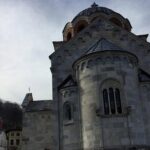
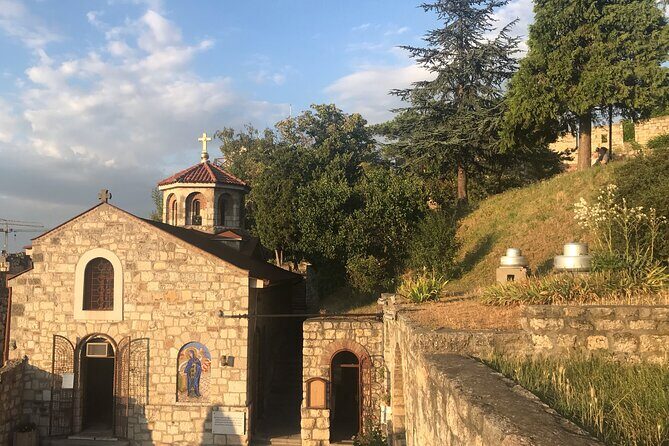
You meet at St. Mark Orthodox Church on Bulevar kralja Aleksandra 17, which is a smart way to begin. Instead of starting with a fortress or a big ticket museum, you start with Belgrade’s everyday spiritual and architectural heartbeat. From there, the tour eases into Tasmajdan Park, where the ground itself has history.
Tasmajdan Park is described as a place that used to be a quarry and a cemetery, and that matters. It’s not just a pretty green spot. It’s a reminder that Belgrade repurposes land, then builds identity on top of it—churches, monuments, and public space replacing what came before.
The main anchor here is the Church of St. Mark in a Serbo-Byzantine style, and the way the guide frames it can help you read the building like a map. You’re not stuck memorizing facts; you learn what to look for and why people here attach meaning to it.
Practical note: the first stop runs about 30 minutes, so you’ll get oriented without feeling trapped in one place.
You can also read our reviews of more city tours in Belgrade


Terazije & Kralja Milana: palaces, grand streets, and small art
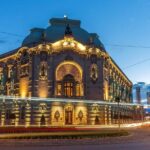
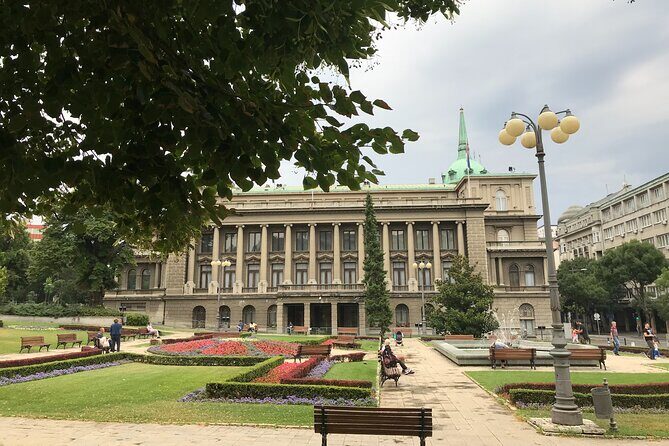
Next you move to Terazije & Kralja Milana, the kind of central Belgrade area where the big buildings can make your eyes go straight up. That’s exactly why this stop works on a guided walk. The guide helps you spot what you’d usually miss: hidden works of art tucked into an otherwise formal-looking street scene.
Terazije is a central town square vibe, while Kralja Milana is a street lined with luxurious palaces and public buildings. In a place like this, the value of a guide isn’t only history—it’s attention. You start recognizing details: how facades behave along the street, where the city’s “official” look meets everyday reality, and what people still use the area for.
This is the part of the tour where the conversation often turns practical—how the city works now, not just how it worked “back then.” I like this blend because it keeps the walk from feeling like a lecture.
Time-wise, you’re again around 30 minutes, which keeps momentum.
Belgrade Design District: a 90s mall reborn by young creators
Then comes a stop that changes the mood: Belgrade Design District. This is an abandoned shopping mall from the 90s now occupied by young Belgrade designers and artists. The story is clear even before you hear it: you can feel the shift from commercial space to creative work and community energy.
For you, that means this isn’t only a “see and go” photo stop. It’s a chance to notice how cities handle leftover buildings. Belgrade’s approach seems to be: don’t erase the past instantly—reuse what’s available, then let new people shape the future.
If you like street-level culture—people making things, working with ideas, turning corners into studios—this stop can be one of the most memorable parts of the whole walk.
One caution: since it’s tied to current creators, your experience can depend on what’s active when you’re there. The building’s transformation is the constant; specific activity levels might vary.
Knez Mihailova: the main pedestrian street where details hide in plain sight
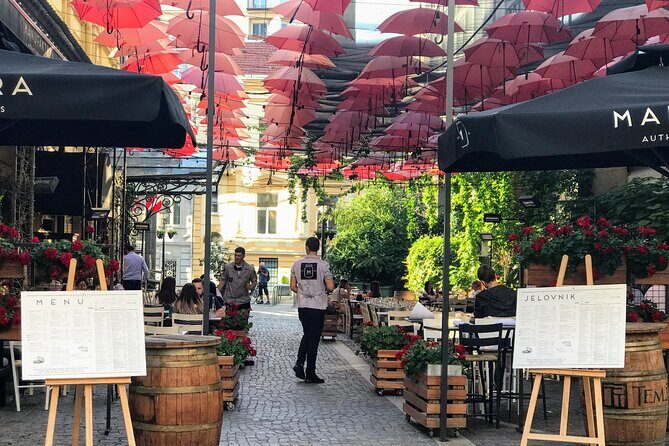
After the Design District, the tour lands on Knez Mihailova, Belgrade’s main pedestrian street. This is the “walk slowly and look around” stretch. Behind the historical facades are arcades, archaeological sites, and street art—layers stacked over each other in a way that’s hard to appreciate from the sidewalk alone.
This is a great stop if you enjoy cities that reward curiosity. The guide helps you connect the dots: why the street feels cohesive, why the archways matter, and how the city mixes old layers with modern expression.
If you’ve ever toured a city and felt like the big buildings stole all the attention, this stop is the cure. You practice looking at edges and in-between spaces—arcades, wall surfaces, and areas you’d otherwise walk past at speed.
Expect about 30 minutes here, which is just enough time to feel the street without rushing it.
Kosančićev Venac: stepping into the 19th-century Belgrade mood
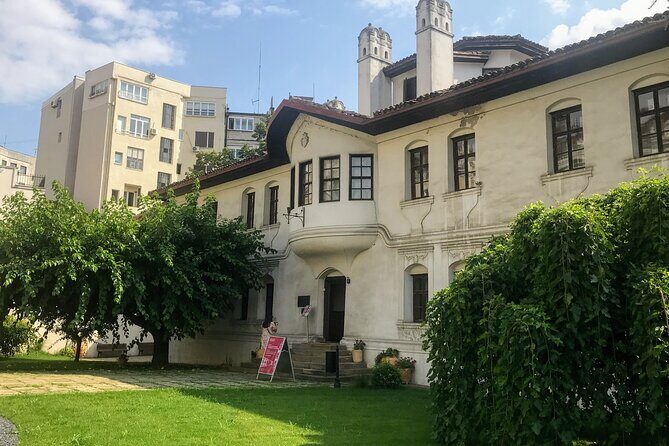
Kosančićev Venac is an old-town area where you can feel the atmosphere of 19th-century Belgrade. This stop is valuable because it changes your perspective again. After modern creativity and central streets, you start moving into a calmer, more “this is what the city felt like” zone.
The guide’s job here is especially important, because old streets can be easy to romanticize—or miss entirely if you don’t know what you’re seeing. The walk helps you notice why this area feels preserved and how the urban shape supports that feeling.
This is the stop I’d point to if you’re trying to understand Belgrade’s identity beyond landmarks. It’s one thing to stand on a view. It’s another thing to feel the everyday texture of earlier city life.
Again, you’re around 30 minutes.


Belgrade Fortress: the panoramic payoff over two rivers
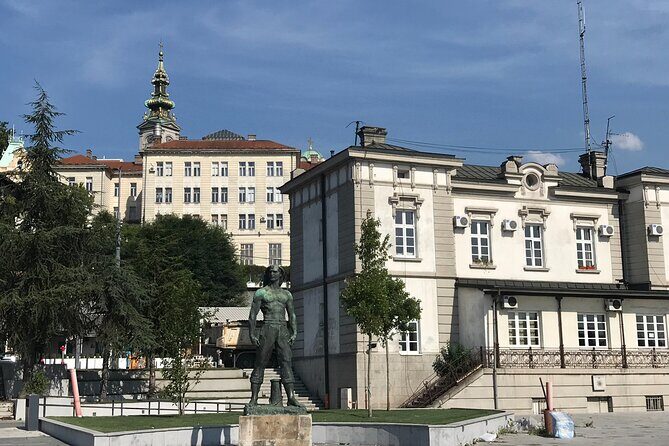
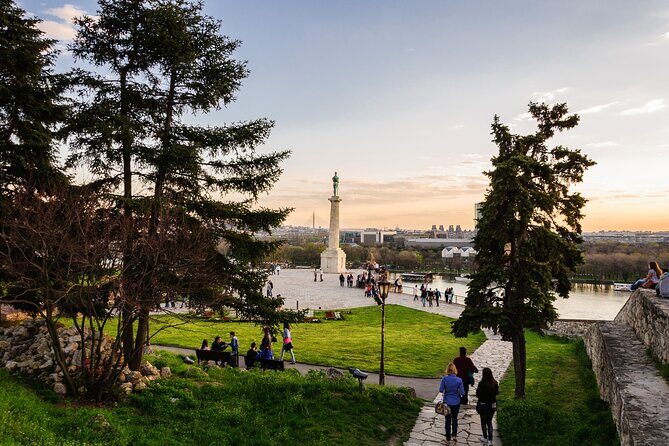
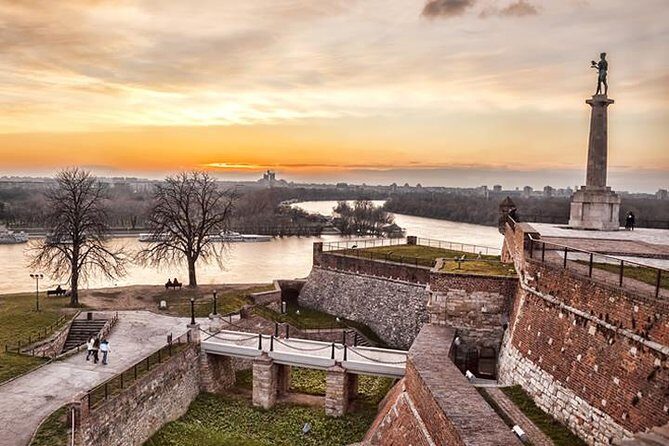
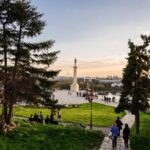
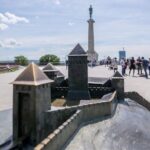
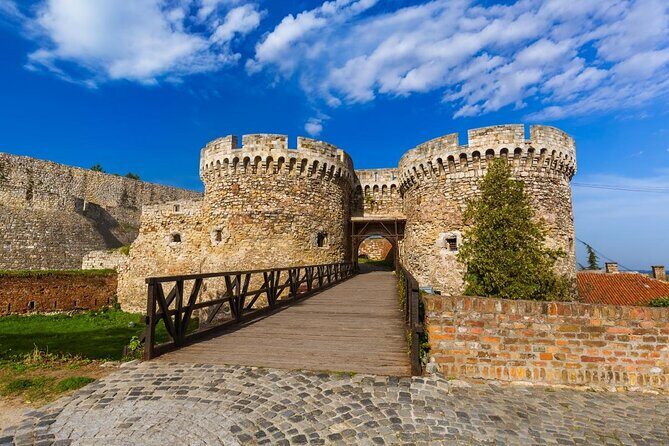
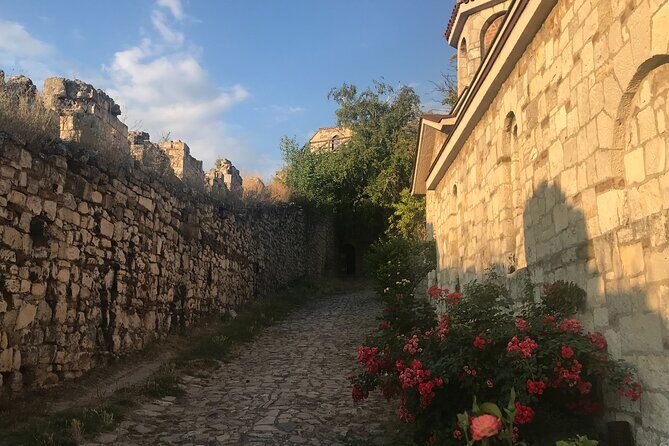
The grand finale is Belgrade Fortress—Belgrade’s main historical monument. Here you get everything from bastions and gates to sculptures, churches, and even archaeological sites. That’s a lot for one area, so the guide’s storytelling pace matters.
The real reason this stop works is the payoff: you finish with a panoramic view over Belgrade and the confluence of the Sava and Danube rivers. Views can feel generic on tours. This one isn’t, because the river meeting point is part of Belgrade’s geography and history in a way you can literally see.
If you care about strategic city history—why fortresses exist and what terrain offers—this is the stop where the pieces start fitting together. You can look at walls and then look past them to the water, and suddenly the city’s layout makes sense.
Time here is listed as about 30 minutes, so you’ll likely get the highlights rather than an all-day fortress marathon.
Price and logistics: is $180.23 worth your time?
At $180.23 per person for about 3 hours, the price only makes sense if you value guided interpretation over wandering. The included item is straightforward: a guide. Everything else—coffee/tea, alcohol, snacks—is on you.
So what are you paying for, beyond walking to six places?
- Selection of stops: a park with layered history, a central district, a converted 90s mall, a famous pedestrian street, a preserved old-town quarter, then the fortress. This is not random.
- Time efficiency: you get to move between areas that would be harder to connect quickly on your own.
- Guide skill: multiple reviews mention guides like Dimitri/Dmitry and Julia answering questions well and keeping a calm pace. That’s the main “product” you’re buying.
There are also practical perks: mobile ticket, English offered, and the tour is private, meaning only your group participates. The listing also notes group discounts, which can help if you’re traveling with others.
Possible downside on cost: if you’re the type who loves solo exploring and you already know Belgrade well, a private guided format may feel like overkill. If you’re new to the city, though, it’s a fast way to get your bearings without guessing.
Pacing and what to do if the walk runs long
Even though the tour duration is listed at about 3 hours, some guides may spend extra time where curiosity is high. In reviews, people describe ending up with longer walks—often because the guide kept answering questions and you didn’t want to stop talking.
I’d treat that as a feature, not a failure. The key is to come with a flexible mindset. If you have a strict dinner reservation with no wiggle room, plan a buffer.
If you want to slow the pace for yourself, bring a small plan:
- Carry water and a small snack (since snacks aren’t included).
- If you want coffee or tea, plan it as a stop rather than assuming the tour provides it.
Food and “extra stops” your guide might add
Food isn’t listed as included, but guides have been known to make smart recommendations—and sometimes coordinate a stop. One review describes a reservation for a cafe in Hotel Moskva, with dessert called Moskva cake, plus tea and rakija. Another mentions a seemingly run-down cinema space run by university students with free admission.
Those details aren’t guaranteed in the provided tour facts, but they point to a common pattern: the guides aim to turn the walk into a Belgrade experience, not only a list of sights. If that style fits you, you’ll likely enjoy the tour’s human side—conversation, context, and small surprises.
Who this tour is best for
This tour fits best if you want:
- A guided Belgrade walking tour that covers both classic landmarks and city-life neighborhoods
- Better understanding of architecture, including Serbo-Byzantine church style and fortress design
- A guide who can explain modern culture and daily life, not only old events
- A route that ends with a view and a sense of scale
It’s also a good match if you’re traveling with a group that wants privacy. The tour is private, and that typically makes the pace feel more personal.
If you’re only interested in one museum type of visit, you may find the mix of city streets and outdoor stops less satisfying. But if you enjoy urban atmosphere, this walk is built for that.
Should you book this Belgrade walk?
I’d book it if you’re visiting Belgrade for the first time and you want a route that makes the city readable fast. The mix—Tasmajdan Park, Terazije, the Design District, Knez Mihailova, Kosančićev Venac, and the Fortress—keeps you from getting stuck in only one “side” of the city.
I’d skip it if you don’t want to walk between multiple neighborhoods, or if you already know Belgrade well enough to plan your own path and you’re mainly hunting for museum tickets or indoor time.
If you do book, bring comfortable shoes, keep your schedule flexible, and come ready with questions. The guides (Dimitri/Dmitry and Julia are specifically mentioned) seem at their best when the conversation flows.
FAQ
How long is the tour?
It’s listed at about 3 hours.
Where does the tour start and end?
It starts at St. Mark Orthodox Church, Bulevar kralja Aleksandra 17, Beograd, Serbia, and ends at Kneza Mihaila, Beograd.
Is the tour private?
Yes. It’s private, and only your group participates.
Is the tour offered in English?
Yes, it’s offered in English.
Are admissions included?
The tour notes free admission tickets for each stop.
Is there free cancellation?
Yes, you can cancel for a full refund up to 24 hours before the experience start time.